Storm Damage Siding Repair: What to Do Before Help Arrives
When a storm rips through your neighborhood, the chaos often lingers long after the clouds have passed. Broken siding, dripping walls, and scattered debris can leave any homeowner or business owner feeling overwhelmed. It’s normal to worry—not just about repairs, but about what you should do right now to prevent further headaches.
At J.B. Siding, we understand how urgent these situations feel. Acting quickly—and safely—can make all the difference before professional help arrives.
Assessing Damage Safely 🛑
First things first: your safety comes before siding or property. Approach your home or building cautiously after severe weather. If you notice downed power lines, standing water near electrical sources, or suspected gas leaks, stay away and contact emergency services immediately.
Walk the exterior only if it’s safe. Wear sturdy shoes and gloves. Look for:
- Missing or cracked siding panels
- Exposed insulation or framing
- Bent gutters or loose trim
- Water stains or soft spots
Take photos from a distance. The National Weather Service recommends avoiding unstable surfaces and not touching sharp or jagged edges.
Quick Safety Checklist
Before taking any action, run through this list:
- Is the area free of live wires and potential hazards?
- Is it safe from falling branches, glass, or loose debris?
- Are you protected from slips and hidden nails?
- Do you have a flashlight for dim or after-dark assessments?
If the answer to any is “no,” step back and wait for professionals. Your well-being is worth more than any piece of siding.
Temporary Protection Measures
Sometimes you can prevent more damage with a few careful steps. If safe:
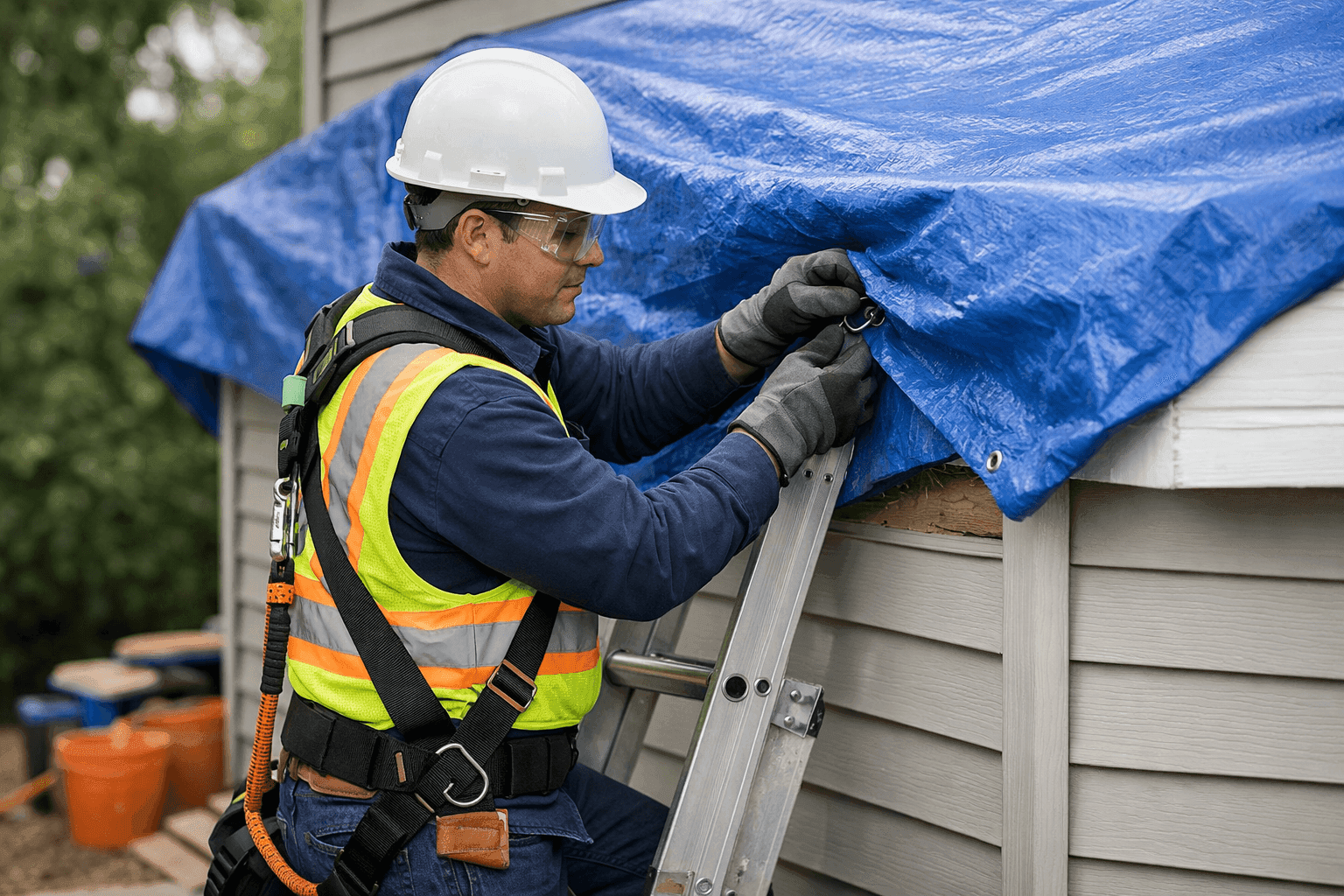
- Cover exposed areas with a heavy-duty tarp, anchored with wood or duct tape—not nails, which can worsen damage.
- Secure loose siding pieces with waterproof tape to keep out rain.
- Move valuables and electronics away from affected walls inside.
- Set up buckets or towels to catch interior leaks.
Never climb ladders or reach second-story siding unless you have experience and a stable surface. Professional crews have specialized safety gear for these tasks.
What to Avoid
Storm aftermath tempts many to rush repairs, but haste can backfire:
- Don’t use makeshift materials like cardboard or thin plastic. They won’t hold up in wind or rain.
- Avoid hammering or nailing into damaged siding—this can split panels or puncture weather barriers.
- Don’t paint over storm-damaged areas. Paint traps moisture and can mask bigger problems.
- Skip power tools unless you’re trained—accidents skyrocket in post-storm chaos.
- Don’t ignore soft spots or swelling behind siding. This could mean hidden water or mold.
When to Call a Pro
There’s a line between helpful action and risky DIY. If you see:
- Large sections of missing siding
- Damage above the first floor
- Mold, rot, or water flowing inside
- Bent soffits or loose fascia
- Exposed electrical wiring
...stop and contact a siding professional immediately. Our emergency siding services are designed for just these moments—fast, safe, and thorough.
Insurance Documentation 📸
After you’ve secured the area, documentation is your best friend. Snap clear photos of:
- All visible exterior damage
- Close-ups of broken panels, missing trim, or exposed insulation
- Interior water stains or leaks tied to siding breaches
Make a list of what you see. Save receipts for any emergency materials you purchase. Most insurers (per Insurance Information Institute guidelines) require detailed records for claims.
Call your insurance company as soon as possible. Describe the damage factually and follow their instructions. If a claims adjuster visits, walk them through the property and provide your photos.
Problem or Scenario: Real-World Examples
Imagine a summer thunderstorm tears vinyl siding from your home, leaving insulation fluttering in the breeze. You notice water pooling near the foundation and a sharp draft inside. In this case:
- Secure a tarp over the exposed wall.
- Move furniture away from the wet area.
- Avoid plugging in electronics near leaks.
Or picture a commercial building with metal siding panels peeled back by high winds. The exposed sheathing is now vulnerable to rain. Here, quick action to shield the area can mean the difference between a simple repair and expensive interior restoration.
Signs of Trouble: What to Watch For
Not all storm damage is obvious. Be alert for:
- Warping or bulging siding
- Discoloration or streaks (possible water intrusion)
- Unusual drafts or temperature swings inside
- Peeling paint or wallpaper indoors (a red flag for moisture)
If you spot these, schedule a siding inspection to catch hidden issues before they escalate.
Common Mistakes After Storms
It’s easy to make well-intentioned mistakes when adrenaline is high. Some pitfalls to avoid:
- Waiting too long for repairs—small leaks become big headaches fast.
- Ignoring soffit and fascia damage, which can let in pests and rain.
- Using unapproved materials or mismatched panels, which can void warranties.
- Overlooking the need for proper siding ventilation, risking mold growth.
Timeline & Disruption: What to Expect
After you call a professional, expect:
- Assessment and damage mapping—typically within 24–48 hours for emergency calls.
- Temporary protection to limit further issues.
- A detailed repair plan, including materials and timeline.
- Work may take a few hours for small repairs, or several days for major siding replacement.
During this time, keep the area clear of pets and children. Siding repairs generate noise and debris.
Materials & Equipment: What Pros Bring
Siding professionals use:
- Heavy-duty tarps and moisture barriers
- Industrial-grade fasteners and sealants
- Siding panels matched to your existing material
- Safety equipment (harnesses, ladders, gloves)
- Moisture meters to check for hidden leaks
Trying to match these tools with hardware store supplies often leads to frustration—and sometimes more damage.
DIY vs. Professional: Know Your Limits
Some minor fixes, like taping a loose corner or moving furniture, are reasonable for homeowners. But for anything structural, electrical, or above ground level, it’s safest to call in a crew. The risk to your safety or property isn’t worth it.
When It’s an Emergency 🚨
Call for immediate help if:
- Multiple siding panels are blown off, leaving the structure exposed
- Water is entering your home or building actively
- There’s visible fire, electrical, or structural hazard
J.B. Siding offers 24/7 emergency siding services—because storms don’t keep office hours.
Seasonal Considerations
Storm season varies by region, but spring and fall often bring the worst weather. Regular siding inspections and maintenance before these seasons can help your property weather the next storm. If you’re looking for New Construction Siding near you in New Britain, routine weatherproofing is a smart investment.
Prevention & Maintenance Tips
- Schedule annual siding inspections, especially before storm season.
- Keep trees trimmed and gutters clear to minimize debris impact.
- Repair minor cracks or loose panels promptly.
- Ask about siding options that offer higher wind and impact resistance.
Refer to the International Residential Code (IRC) for best practices on exterior wall coverings and fastening methods.
Costs & Time Factors
Quick patching is affordable, but major repairs or replacements vary based on:
- Siding material (vinyl, wood, fiber cement, metal)
- Height and accessibility
- Extent of underlying damage
Insurance may cover some or all costs, depending on your policy and documentation.
FAQ: Storm Damage Siding Repair
Q: Can I just replace the broken panel myself?
A: For small, ground-level vinyl panels, maybe. But matching color, texture, and keeping your warranty valid takes skill.
Q: How fast should I act?
A: The sooner the better. Water intrusion and pests can take hold in hours—not days.
Q: Will repairs disrupt my daily routine?
A: Most minor repairs cause minimal disruption. Larger projects may require temporary access limitations.
Storms pass, but a quick, safe response can protect your property from bigger problems down the line. For rapid, professional siding repair—day or night—rely on J.B. Siding.
Call J.B. Siding now — or reach us anytime at 855-598-5177 .