How to Recognize Hail Damage on Siding
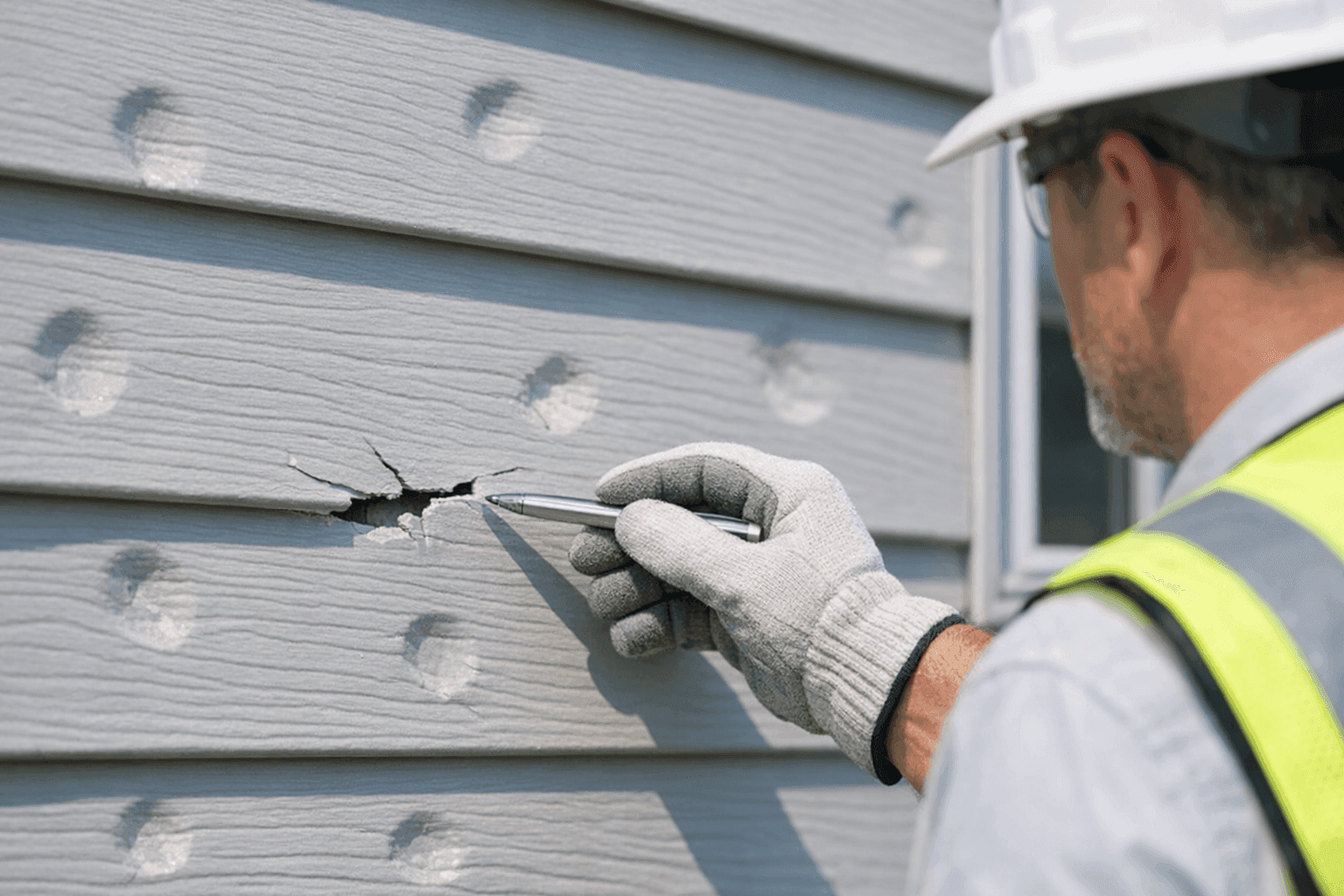
When a hailstorm passes through, it doesn't just leave puddles and splintered branches. It can quietly batter your siding—a silent threat, unless you know where to look. For homeowners and business owners alike, catching hail damage early is the difference between a simple repair and a costly overhaul.
At J.B. Siding, we understand the anxiety that comes after a storm. Years of experience have taught us this: what you see on the surface often hints at bigger problems beneath. Let’s break down how to recognize hail damage, what to do next, and why quick action matters.
What Does Hail Damage Look Like?
Hail doesn’t leave behind a signature calling card. It’s more subtle—a tap here, a crack there. But with a sharp eye, you can spot the telltale signs:
- Dents: Small or large, round impressions—almost like someone went at your siding with a bag of marbles.
- Cracks: Straight, spidering, or jagged lines. These can widen over time, letting in moisture and pests.
- Chips & Holes: Missing bits of siding, or actual punctures—especially on older or brittle materials.
- Discoloration: Areas where the paint or finish has been knocked away, exposing raw material underneath.
Look closely at the siding that faces the direction the storm came from. Don’t forget to check around windows, doors, trim, and even the soffit and fascia. 🌧️
Siding Types & Hail: Damage by Material
Not all siding is created equal. Each material tells a different story after a hailstorm:
Vinyl Siding
Vinyl is durable, but big hailstones can crack or puncture it. You’ll often see split panels or broken corners. Sometimes, the impact leaves a chalky residue or faded spot.
Wood Siding
Wood bruises. After hail, look for dark marks, splinters, or gouges. Cracks can run along the grain, letting in water and rot.
Fiber Cement Siding
Fiber cement stands up well, but strong hail can chip edges or break boards. Surface paint may flake off, leaving a patchy look.
Metal Siding
Aluminum and steel siding show dents—sometimes dozens, like the dimples on a golf ball. Paint may also crack or peel where the hail struck.
Stucco Siding
With stucco, hail can chip away the outer layer or cause spiderweb cracks. These are sometimes hard to spot but can lead to moisture intrusion.
Quick Safety Checklist Before You Inspect
Before you step outside to survey the damage, keep these safety tips in mind:
- Wait until the storm has fully passed.
- Wear shoes with good traction—hail makes surfaces slippery.
- Watch for downed power lines, loose debris, or broken glass.
- If you need to use a ladder, make sure it’s stable and safe.
If damage is extensive or you’re unsure, consider booking a professional siding inspection to avoid hidden hazards.
The Risks of Ignoring Hail Damage
Hail damage isn’t just cosmetic. Those dents, cracks, and chips can spell bigger trouble:
- Water Leaks: Cracks allow water to seep behind your siding, leading to mold, rot, and insulation damage.
- Energy Loss: Gaps and holes let out heated or cooled air, driving up utility bills.
- Pest Entry: Even small gaps can invite insects or rodents.
- Void Warranties: Many siding warranties require prompt repair of storm damage.
- Reduced Property Value: Unrepaired damage is a red flag for buyers, lenders, or insurance adjusters.
Why Fast Action Matters
Time isn’t your friend after a hailstorm. The longer you wait, the more likely damage will spread—sometimes out of sight. Insurance policies often require you to report damage quickly. Acting fast can mean the difference between a covered repair and an out-of-pocket headache.
Siding Damage: When It’s an Emergency
Some situations call for immediate help:
- There’s an active leak inside your home or business.
- Siding panels have blown off, leaving the wall exposed.
- You see loose wires, broken windows, or structural damage.
In these cases, reach out for emergency siding services right away to secure your property.
Documenting Hail Damage: Tips for Insurance Claims
Insurance adjusters want proof. Get ahead with these documentation steps:
- Take Photos: Snap clear, close-up images of every dent, crack, and chip. Step back for wide shots, too.
- Note the Date: Write down when the storm hit and when you noticed the damage.
- Keep Samples: If pieces of siding have fallen off, save them.
- Record Other Damage: Note any roof, window, gutter, or trim issues.
- Get a Professional Report: A siding inspection from a reputable company like J.B. Siding adds authority to your claim.
Refer to Federal Emergency Management Agency (FEMA) guidelines for disaster documentation to ensure you’re thorough.
DIY vs. Calling a Pro
Small chips or light dents might seem easy to ignore or patch. But some damage hides under the surface. If you’re not sure, or if the job looks bigger than a simple touch-up, calling a pro is the safer bet. Siding pros know where to look and how to document everything for insurance.
What the Pros Do On Arrival
When you schedule a siding inspection after a hailstorm, here’s what to expect:
- A full walk-around, checking all sides of your building.
- Close inspection of siding, trim, soffit, fascia, and gutters.
- Moisture readings and structural checks as needed.
- Detailed report with photos and repair recommendations.
A trusted siding company will also help you decide whether a repair or full replacement is best for your situation.
Prevention & Maintenance: Building Hail Resilience
You can’t stop the weather, but you can prepare for it:
- Choose impact-resistant siding materials during new construction or replacement.
- Keep trees trimmed and gutters clear.
- Schedule regular siding inspections—especially after severe weather.
- Ensure caulking and sealing are up to date to keep moisture out.
The Insurance Institute for Business & Home Safety recommends impact-rated siding for hail-prone regions.
Costs & Time: What to Expect
The price to fix hail damage varies. Minor repairs might take a day and cost less than you think. Major damage—especially if water has gotten behind the siding—can mean more time and investment. Insurance often covers storm-related siding damage, but you’ll need documentation and possibly a deductible.
Common Mistakes Homeowners Make
- Waiting too long to check for damage.
- Overlooking soffit, fascia, and trim.
- Skipping documentation for insurance.
- Trying risky DIY repairs on ladders or roofs.
Signs of Trouble to Watch for Later
Even if the damage looks minor, stay alert for:
- New drafts or higher energy bills
- Damp spots inside walls or ceilings
- Peeling paint or wallpaper indoors
- Unusual insect or rodent activity
If you notice these after a hail event, it’s time for a professional check.
Siding Damage FAQs
Can hail damage happen with small hail?
Yes—siding can be damaged by hail as small as 1 inch if the wind is strong enough.
Is hail damage always visible right away?
No. Some cracks or leaks develop over weeks or months. That’s why inspections matter.
Can I wait until spring or fall to fix hail damage?
It’s risky. Delaying repairs increases the chance of water or pest intrusion.
Next Steps After Hail
Here’s your action plan:
- Inspect your siding as soon as it’s safe.
- Document everything—photos, notes, samples.
- Contact your insurance provider to start a claim.
- Schedule a siding inspection with a reputable company.
- Prioritize repairs to protect your property.
If you’re looking for reliable, local support with New Construction Siding near you in Pomona, J.B. Siding is here to help—no matter the scope of the storm.
Call J.B. Siding now — or reach us anytime at 855-598-5177 .