Wood Siding Installation: Timeless Curb Appeal and Care Tips
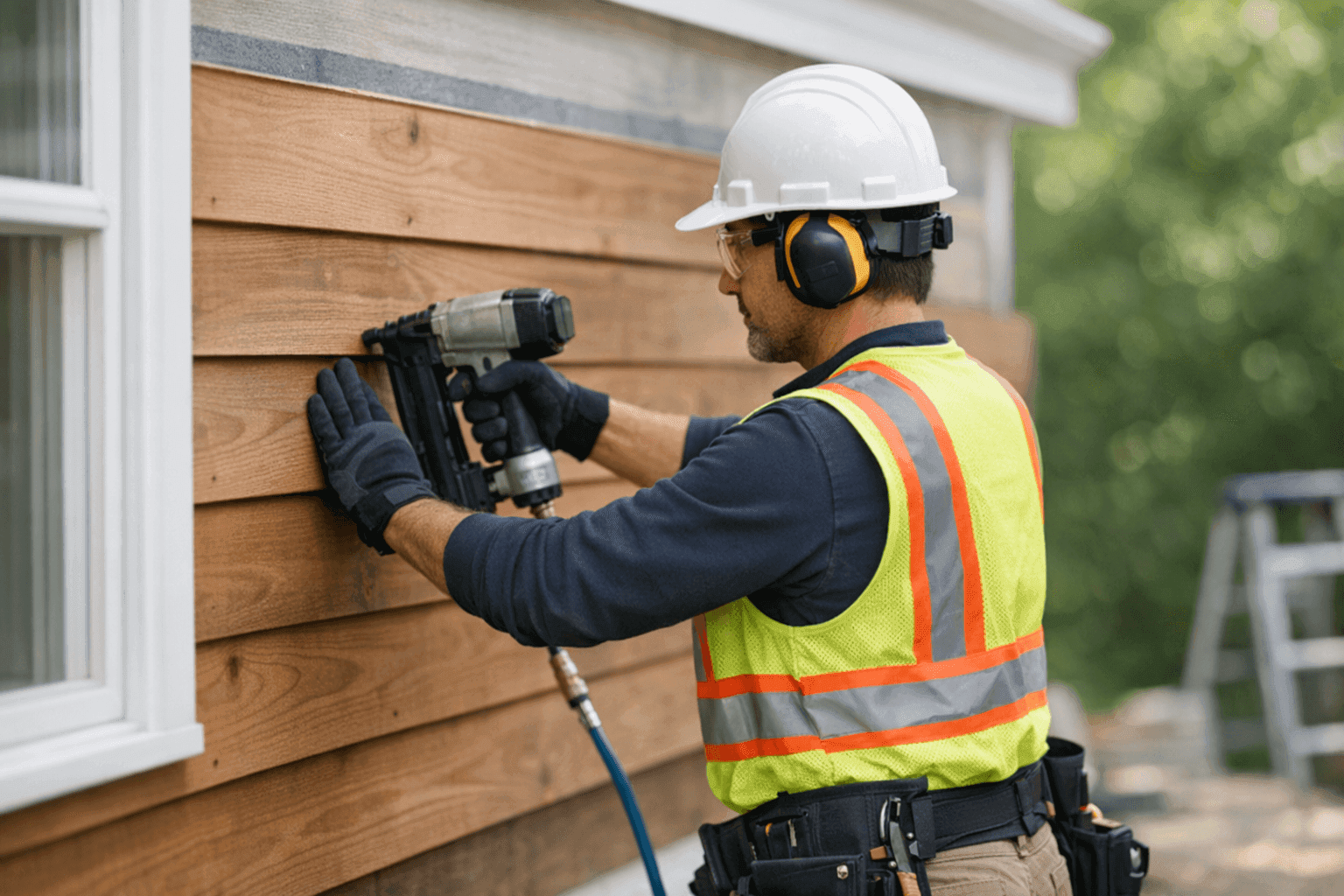
Wood siding isn’t just a design choice—it’s a living testament to craftsmanship and tradition. Maybe you’ve admired the warmth of a cedar-clad home or wondered how to keep your own siding looking sharp year after year. At J.B. Siding, we understand the pride and investment that goes into every plank.
Time, weather, and small mistakes can turn a beautiful façade into a headache. That’s why a thoughtful approach to wood siding installation and care is worth its weight in gold. If you're considering new construction siding near you, or need to bring your current home back to life, this guide will help you make informed decisions every step of the way.
The Benefits of Wood Siding: Timeless Style and Modern Value 🪵
Wood siding offers a blend of classic good looks and practical performance. Here’s why so many homeowners and property managers choose wood:
- Natural Beauty: Each board is unique, with grain and color that can’t be duplicated by synthetic materials.
- Versatility: From rustic cabins to modern builds, wood can be painted or stained to match any vision.
- Sustainability: Many wood siding options are renewable and can be sourced from responsibly managed forests.
- Insulation: Wood naturally helps regulate temperature, adding a layer of comfort to your building’s envelope.
- Curb Appeal: Well-maintained wood siding is a magnet for compliments—and can boost property value.
When installed and cared for correctly, wood siding becomes more than a shell. It’s a statement.
Installation Steps: How the Pros Get It Right
A flawless wood siding installation is part art, part science. Here’s how professionals like J.B. Siding handle the process:
- Inspection & Prep: Walls are checked for damage, moisture, and alignment. Old siding is removed. Surfaces are cleaned and dried.
- Weather Barrier: A vapor barrier or house wrap is installed—this invisible shield protects against water and drafts.
- Flashing: Metal or vinyl flashing is placed around windows, doors, and corners to direct water away from vulnerable spots.
- Starter Strip: The first row of siding is carefully lined up—get this wrong, and the whole wall will look crooked.
- Board Installation: Planks are installed with the right spacing, using corrosion-resistant nails. The pattern (lap, shingle, or panel) is chosen based on style and climate.
- Finishing Touches: Trim, soffit, fascia, and moldings are added for a crisp, polished look.
Building codes and safety guidelines from organizations like the International Code Council (ICC) set the standard for safe, durable installations. A professional team ensures your wood siding meets—or exceeds—these benchmarks.
Choosing Wood Types and Finishes: Making the Right Match
Not all wood siding is created equal. Your choice of material can affect cost, appearance, and longevity.
Popular Wood Siding Species:
- Cedar: Naturally rot-resistant and easy to stain or paint.
- Redwood: Gorgeous grain and color, but higher cost.
- Pine: Affordable and widely available, but needs proper sealing.
- Douglas Fir: Strong and stable, but requires regular maintenance.
Finishes Matter:
- Stain: Highlights natural grain, offers UV protection.
- Paint: Unlimited color options, but may peel if not prepped correctly.
- Sealers: Help protect against moisture and mildew.
The right combination depends on your climate, budget, and style goals. For truly unique results, custom siding solutions can help you achieve a one-of-a-kind look.
Maintenance and Longevity: Protecting Your Investment 🧰
A bit of routine care can keep wood siding looking sharp for decades. Here’s what matters most:
- Annual Inspections: Look for cracks, peeling paint, or signs of pests.
- Cleaning: Gentle washing (never power washing) removes dirt and mildew.
- Sealing & Painting: Reapply finishes every 3–7 years, depending on exposure.
- Caulking Joints: Keep gaps around windows, doors, and trim sealed.
- Trimming Vegetation: Keep bushes and trees away from siding to prevent moisture and insect problems.
For regular upkeep, siding maintenance services can take the guesswork—and backache—out of the process.
Common Issues and Repairs: Catching Problems Early 🛠
Even with the best care, wood siding can run into trouble. Here’s what to watch for:
- Rot: Soft, discolored, or crumbly wood—often lurking near the ground or under gutters.
- Warping and Buckling: Usually caused by moisture or improper installation.
- Cracking and Splitting: Sun and temperature swings can cause boards to dry out and split.
- Insect Damage: Termites and carpenter ants love damp, unprotected wood.
Quick repairs are crucial. Small spots of rot or damage can be patched or replaced, but widespread problems may require a section—or all—of your siding to be redone. The North American Fiberboard Association and local building codes provide repair standards for safety and performance.
DIY or Call a Pro? The Real Costs and Risks
Installing or repairing wood siding isn’t just about hammering boards. It’s about understanding vapor barriers, flashing techniques, and the nuances of each wood species. A misstep can lead to leaks, rot, or a patchwork look that sticks out like a sore thumb.
Pros bring:
- Experience with complex details (corners, gables, trim)
- Access to better materials and tools
- Familiarity with local codes and permitting
DIY can save on labor, but risks costly mistakes. For most homeowners, professional installation is money well spent.
Quick Safety Checklist Before You Start
Before any siding project:
- Check for overhead wires, gas lines, or hidden hazards.
- Wear gloves, safety glasses, and sturdy shoes.
- Keep workspaces organized to avoid trips and falls.
- If using ladders or scaffolding, follow OSHA safety guidelines.
- Dispose of old siding and debris properly.
Safety isn’t glamorous, but it keeps you—and your investment—protected.
Timeline and Disruption: What to Expect
Wood siding installation isn’t an overnight job. Here’s a rough breakdown:
- Prep and Demo: 1–2 days
- Installation: 3–7 days, depending on size and weather
- Finishing Touches: 1–2 days
You’ll hear some noise. There’ll be dust. But a well-managed crew keeps the mess contained and the project on track. Most jobs are wrapped up within two weeks.
Seasonal Considerations: Timing Your Project 🌦
Wood siding is best installed in mild, dry weather. Extreme heat or cold can affect wood expansion and finish adhesion. Spring and fall are prime time, but with the right team, any season is possible—especially when repairs can’t wait.
Signs of Trouble: When to Act Fast
Don’t ignore these red flags:
- Paint bubbles or peels soon after painting
- Musty smells inside walls (a sign of hidden moisture)
- Visible gaps between boards
- Unexplained spikes in energy bills (could mean insulation or siding issues)
If you notice any of these, call a siding professional promptly. Fast action prevents small problems from growing roots.
Common Mistakes to Avoid
- Skipping the vapor barrier—this leads to trapped moisture.
- Using non-galvanized nails (they’ll rust and stain your siding).
- Failing to prime cut edges before installation.
- Not leaving expansion gaps, causing boards to buckle.
Even small shortcuts can lead to big headaches down the road.
Emergency Wood Siding Services: When Storms Strike
Severe weather can wreak havoc—wind, hail, or flying debris can tear up wood siding in minutes. J.B. Siding offers emergency siding repair to help you recover fast. When disaster hits, act quickly to prevent water from invading your walls.
Siding, Value, and Resale: The Long Game
Well-chosen, well-maintained wood siding is an asset. According to Remodeling Magazine’s Cost vs. Value Report, exterior upgrades like new siding can return more than 75% of their cost at resale. Plus, that classic curb appeal never goes out of style.
If you’re planning to sell—or just want to be the envy of the block—wood siding is a smart move.
FAQs: Wood Siding Edition
Q: How often should I repaint or restain my wood siding?
A: Every 3–7 years, depending on sun exposure and finish type.
Q: Will wood siding attract termites?
A: Not if properly sealed and maintained. Regular inspections and keeping wood away from soil greatly reduce risks.
Q: Can I mix wood siding with other materials?
A: Absolutely. Many modern homes blend wood with fiber cement, metal, or stucco for a custom look.
Q: Where can I find reliable siding installation near me?
A: If you’re searching for New Construction Siding in New Orleans, our team delivers quality and peace of mind.
Ready to Elevate Your Home or Business?
Choosing wood siding is about more than today—it’s about creating a legacy of beauty and comfort. With proper installation and care, your siding will stand strong through seasons and storms, giving you pride every time you pull in the driveway.
Call J.B. Siding now — or reach us anytime at 855-598-5177 .