Why Proper Siding Ventilation Matters
Your siding works hard every day—fighting off wind, rain, and everything nature throws its way. But there’s a hidden battle happening just beneath the surface: airflow. Ignore it, and you risk costly headaches no homeowner or business needs.
At J.B. Siding, we’ve seen what happens when siding can’t "breathe." Mold, rot, peeling paint—problems that sneak up, then snowball. If you want your siding to last (and look great), understanding ventilation is step one.
How Siding Ventilation Works
Think of your siding like a raincoat. Sure, it blocks water, but if it traps sweat inside, you’re left cold and clammy. Siding acts the same way. It shields your home or building from the elements, but without the right airflow, moisture gets stuck.
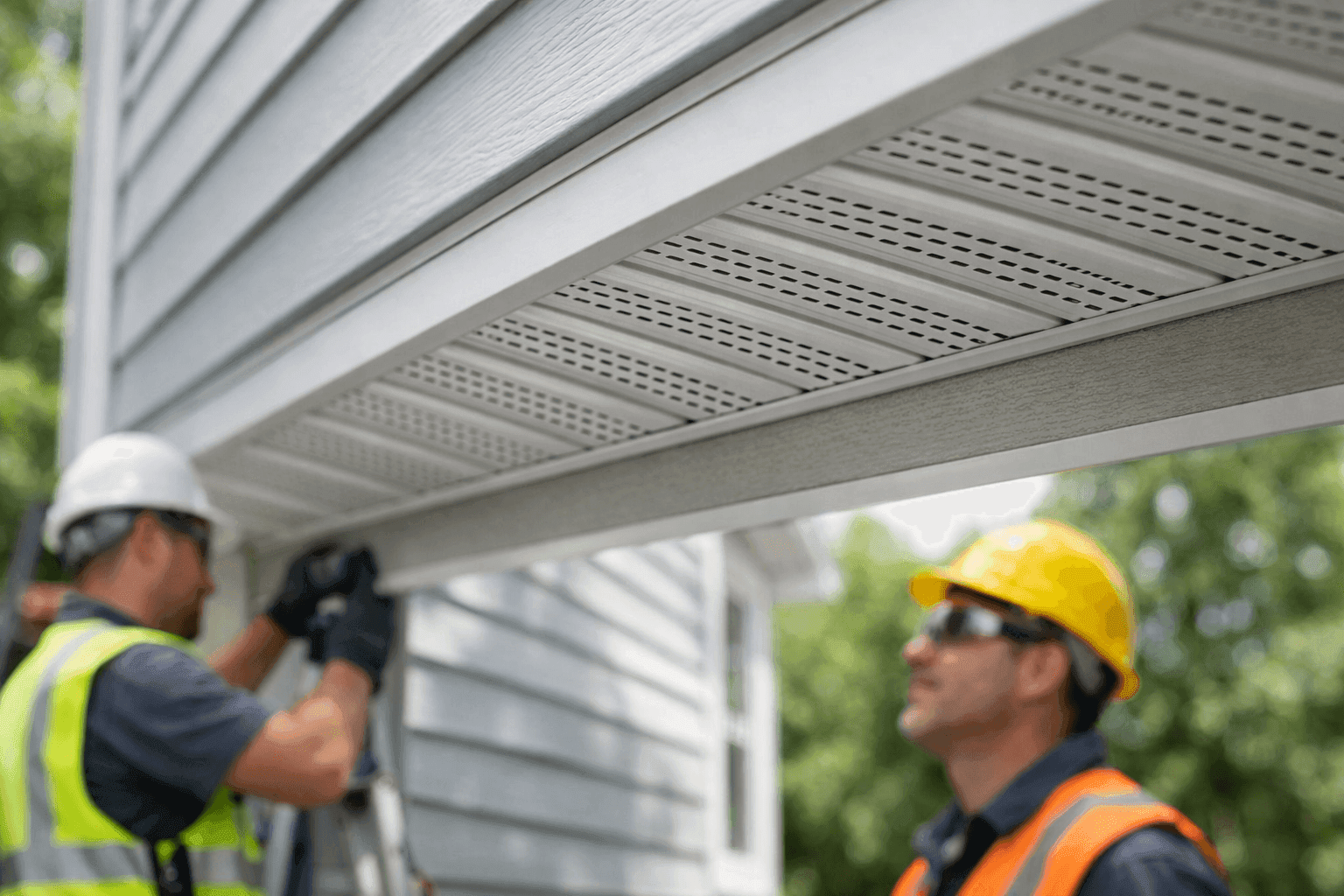
Soffit vents (those panels under your eaves) and ridge vents are key players. They pull in fresh air, push out stale, damp air, and help regulate temperature. Even trim and flashing let tiny amounts of air circulate—critical for siding that lasts.
Ventilation isn’t just about comfort. According to the International Residential Code (IRC), properly vented siding and attics are essential for safe, energy-efficient buildings. This applies whether it’s new construction siding near you or an older home in need of a refresh.
The Risks of Poor Ventilation
When siding can’t release trapped moisture, trouble brews in the dark. Here’s what can happen:
- Mold and Mildew: Dark, damp spaces are mold’s favorite playground.
- Wood Rot: Moisture eats away at fascia, trim, and sheathing—often unnoticed until repairs are expensive.
- Peeling Paint and Stains: Water behind siding bubbles paint, stains walls, and ruins curb appeal.
- Insulation Damage: Wet insulation loses its power, driving up energy bills.
- Shorter Lifespan: Even the best siding fails early without proper airflow.
Poor ventilation is like leaving wet laundry in a pile. Sooner or later, you’ll smell the problem—or see it.
Signs of Trouble 🚩
Catch ventilation issues early, and you’ll dodge big repairs. Keep an eye out for:
- Peeling or blistered paint on exterior walls
- Musty odors inside or in attics
- Visible mold or mildew near soffits and fascia
- Warped or buckling siding panels
- Dripping or “sweating” windows
- Ice dams forming along roof edges in winter
Notice any of these? It’s time to take a closer look.
Types of Siding Ventilation Systems
Every property is different. Here are common ways siding “breathes”:
- Vented Soffits: Allow cool air to enter under the eaves.
- Continuous Ridge Vents: Let hot, moist air escape from the roof peak.
- Gable Vents: Installed at the ends of attics for cross-ventilation.
- Starter Strip Vents: Fit at the base of siding, allowing air up and out.
- Rain Screens: Create a gap behind siding for airflow and drainage.
Not sure what your building has? A professional siding inspection can reveal hidden issues and give you upgrade options.
DIY vs. Call a Pro
Some siding fixes are Saturday projects. But ventilation is rarely one of them. Cutting or adjusting vents calls for precision—one wrong move, and you risk leaks, pests, or code violations.
If you’re handy, clearing debris from soffit vents and gutters is a good start. For repairs, upgrades, or anything involving the structure, bring in a siding professional. They’ll spot problems the untrained eye can miss.
What Pros Do On Arrival
At J.B. Siding, we start with a full assessment. Here’s what you can expect:
- Visual inspection of siding, soffits, and fascia for obvious blockages or damage
- Moisture readings inside and outside the walls
- Checking for code-compliant vent sizing and placement
- Recommendations for repair, cleaning, or upgrades
We use the right materials for your property type—wood, vinyl, fiber cement, or metal—and always follow local building codes.
Quick Safety Checklist 🛠️
Want to do a fast health check on your siding ventilation? Walk around your property and:
- Look for any blocked, painted-over, or missing soffit vents
- Check attic spaces for signs of condensation or water stains
- Inspect for insect nests near vents (a common obstruction)
- Make sure downspouts and gutters are clear
If anything looks off, jot it down and call for a closer look.
Prevention & Maintenance
Keeping siding ventilation healthy isn’t a one-and-done job:
- Clean soffits and vents at least once a year
- Inspect after storms for lost panels or broken vents
- Repaint or reseal trim and fascia to stop water intrusion
- Schedule regular siding inspections, especially in older homes or after major weather events
Routine maintenance can catch problems before they demand major repair.
Common Mistakes to Avoid
- Sealing or caulking over vent openings
- Using the wrong type of vent or installation for your siding material
- Ignoring small leaks or water stains—these can signal bigger airflow issues
- Forgetting to factor in attic ventilation when upgrading siding
Small errors can lead to big headaches. When in doubt, ask for a siding weatherproofing assessment.
Costs & Time Factors
Ventilation upgrades vary. Adding or replacing soffit vents, for example, can be a quick job—sometimes just a few hours. Full rain screen installations or major rot repairs take longer and cost more.
What does it cost? That depends on property size, material, and the scope of work. But one thing’s certain: fixing a ventilation issue early is always cheaper than waiting for rot to set in.
When It’s an Emergency
Some signs can’t wait. If you see water pouring through siding, notice mushrooms or heavy mold, or have a sudden musty odor after a storm, it’s time to call for emergency siding services.
Fast action can save you thousands and protect your property’s structure.
Timeline & Disruption
Worried about disruption? Most siding ventilation fixes are minimally invasive. Small upgrades might not even require you to leave the house. For bigger work—like replacing large sections of fascia or siding—expect some noise and dust, but the long-term benefits far outweigh the hassle.
Seasonal Considerations 🌦️
Ventilation problems tend to show up with the seasons. Winter brings ice dams and attic condensation. Summer reveals musty smells and sticky air.
Schedule siding and soffit inspections in spring or fall. This catches problems before extreme weather hits.
FAQ: Your Siding Ventilation Questions Answered
Q: Is ventilation just for older homes?
A: No—every building, from brand-new construction to historic homes, needs it.
Q: Can I add vents to existing siding?
A: Yes. A professional can retrofit most siding types with modern ventilation systems.
Q: Will new siding solve all my airflow issues?
A: Not always. The system includes soffits, attic vents, and even gutters. A whole-home approach works best.
Q: Where else can I learn more?
A: The U.S. Department of Energy and International Residential Code (IRC) offer detailed building science guidelines.
Upgrading Your System
If your siding can’t breathe, or you’re planning a remodel, consider upgrading ventilation as part of the project. Choose siding materials and vent systems that fit your climate, building type, and aesthetic.
Not sure where to start? Our team can help with:
- Siding material consultation
- Soffit and fascia installation
- Siding weatherproofing
And if you’re looking for New Construction Siding near you in Portsmouth, our local specialists are ready to help.
Don’t let hidden moisture destroy your siding investment. Call J.B. Siding now — or reach us anytime at 855-598-5177 .