What to Know About Siding Ventilation Upgrades
Is your building’s siding breathing right? Most folks rarely ask that question—until signs of trouble show up. Ventilation isn’t just about comfort; it’s your home or business’s invisible armor against mold, rot, and sky-high utility bills.
At J.B. Siding, we’ve seen the difference good airflow makes. Whether you’re looking at New Construction Siding near you or wondering why your attic feels like a sauna, let’s break down what matters about siding ventilation upgrades.
Why Upgrade Ventilation? 🏡
Imagine your home wrapped in a warm, cozy blanket. Now, picture that blanket trapping moisture, leading to musty smells and warped wood. That’s what happens when siding can’t “exhale.” Upgrading your ventilation does more than freshen the air—it protects everything inside and out.
Key benefits of proper siding ventilation:
- Moisture Management: Prevents mold, mildew, and wood rot.
- Energy Efficiency: Keeps heating and cooling costs in check.
- Longevity: Siding, soffits, and fascia last longer.
- Comfort: Indoor temps stay steadier, year-round.
Building codes—like the International Residential Code (IRC)—set minimum ventilation standards, but older properties often fall short. Upgrades bridge that gap, protecting your investment for years to come.
Types of Siding Vents
Just as every building is unique, so are its ventilation needs. The main vent types work together to create healthy airflow:
Soffit Vents
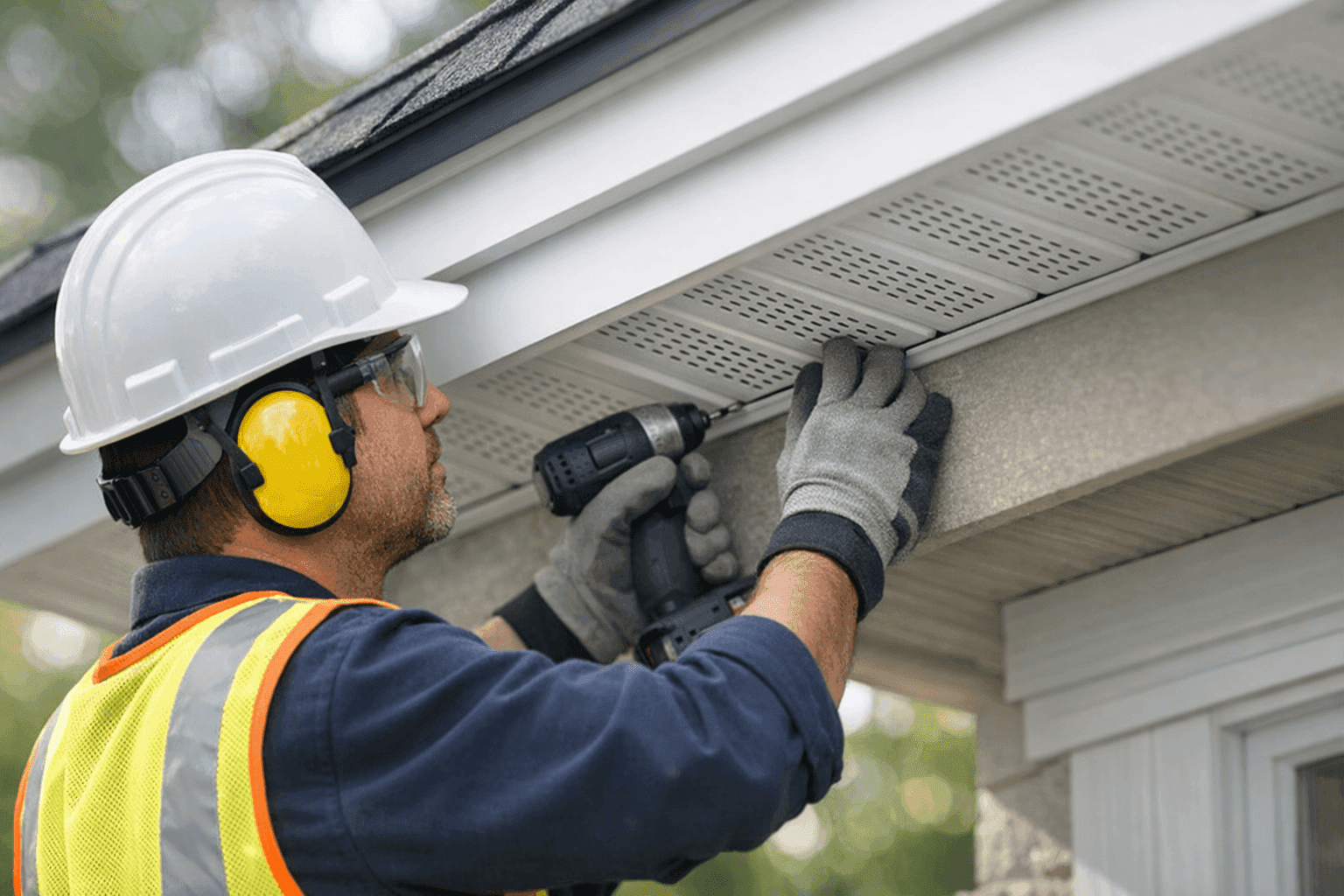
Installed under the eaves, soffit vents pull in fresh air from outside. They’re the unsung heroes of attic and wall ventilation—quiet, crucial, and often overlooked. If you spot rust, blockages, or missing vents, it’s time to consider new soffit and fascia installation.
Ridge Vents
Like a chimney for your roofline, ridge vents release warm, stale air at the peak. Combined with soffit vents, they create a natural, low-maintenance airflow cycle.
Gable Vents
Gable vents sit high on the exterior walls, acting like windows for trapped heat. While not always used in modern builds, they’re essential for older homes—especially when ridge venting isn’t possible.
Spotting the Need for Ventilation Upgrades
How do you know when your siding’s ventilation isn’t up to the task? Watch for these telltale signs:
- Condensation or frost in the attic
- Peeling paint near rooflines or siding seams
- A musty smell indoors, especially after rain
- Uneven temperatures between rooms
- Visible mold on siding or soffits
If you’re unsure, a siding inspection in St. Clair Shores can pinpoint what’s missing and recommend the right fix.
When It’s an Emergency
Water stains suddenly appear. You spot mushrooms or mold on your siding. Cold snaps or heat waves make your building unbearable. Sometimes, poor ventilation leads to rapid, costly damage. That’s when emergency siding services matter most—call in help before things spiral.
The Installation Process: What to Expect
Thinking about upgrading? Here’s how the process usually unfolds with J.B. Siding:
- Assessment: We inspect your current siding, attic, and airflow patterns. Sometimes, we use thermal imaging to spot hidden trouble.
- Recommendation: Based on your building’s age and design, we propose vent types and placements.
- Preparation: Old, damaged vents come out. We repair or reinforce soffits, fascia, and trim as needed.
- Installation: New vents are carefully cut and fitted. We mind every detail, from flashing to caulking and sealing.
- Testing: Airflow is checked. We look for leaks, blockages, or missed spots.
- Cleanup: No mess left behind—just crisp, clean siding and a healthier home.
Quick Safety Checklist
Before any siding work kicks off, safety comes first:
- Confirm all electrical wiring near vents is up to code (per National Electrical Code guidelines).
- Use ladders and scaffolding safely—never overreach.
- Wear protective gear—dust, mold, and debris are hazards.
- Only use approved vent products (meeting ASTM or local code requirements).
Siding Ventilation for New Construction
Building new? The right ventilation plan from day one saves headaches later. Modern codes require balanced intake (soffit) and exhaust (ridge or gable) venting. J.B. Siding works closely with builders to ensure energy efficiency and code compliance from the start.
Upgrades for Older Homes
Older homes often lack adequate venting. Adding soffit vents is trickier where eaves are sealed or decorative. Our team can retrofit vents, blend them with existing trim, and ensure old siding gets a new lease on life.
Common Mistakes to Avoid
- Blocking vents with insulation or paint
- Using too few vents—or too many, creating drafts
- Ignoring damaged or rusted vent covers
- Skipping weatherproofing on new vent openings
Maintenance Matters 🔧
Like a car’s oil, siding ventilation needs regular attention. Every season, check for:
- Clogged or dirty soffit and ridge vents
- Signs of pest nesting
- Damaged caulk or loose flashing
- Moisture stains or peeling paint
Annual siding cleaning and siding weatherproofing can keep airflow smooth and trouble at bay.
DIY vs. Professional Help
Changing a vent cover? Maybe that’s a weekend project. But cutting new soffit vents, working at heights, or dealing with hidden mold? That’s best left to pros with the right tools and know-how.
Costs and Time Factors
Ventilation upgrades cost less than full siding replacement, but prices vary. Material choice, building size, and accessibility all matter. Most residential jobs wrap up in a day or two; larger commercial projects may take longer.
Materials and Equipment
Only use corrosion-resistant, code-approved vents. Aluminum and vinyl are popular for soffits; galvanized steel works well for ridge and gable vents. Don’t skimp on quality—cheap vents can crack, rust, or warp in harsh weather.
Frequently Asked Questions
Q: Can new siding improve ventilation automatically?
A: Only if it includes the right venting. Some siding products offer integrated vents, but most require careful planning.
Q: How often should vents be checked?
A: Twice a year—spring and fall—plus after major storms.
Q: Will more vents always mean better airflow?
A: Not always. Balance is key. Too many vents can disrupt the airflow cycle and hurt efficiency.
Seasonal Considerations
Winter brings ice dams and trapped moisture. Summer means relentless heat. Upgraded ventilation helps your siding weather every storm, from blizzards to heatwaves.
Final Thoughts
Siding ventilation is more than a box to check—it’s peace of mind for homes and businesses alike. Don’t let hidden moisture or stuffy air chip away at your investment. Whether you need a quick vent repair or a full upgrade, J.B. Siding brings solid solutions and years of know-how.
Call J.B. Siding now — or reach us anytime at 855-598-5177 .