What to Expect During a Siding Inspection
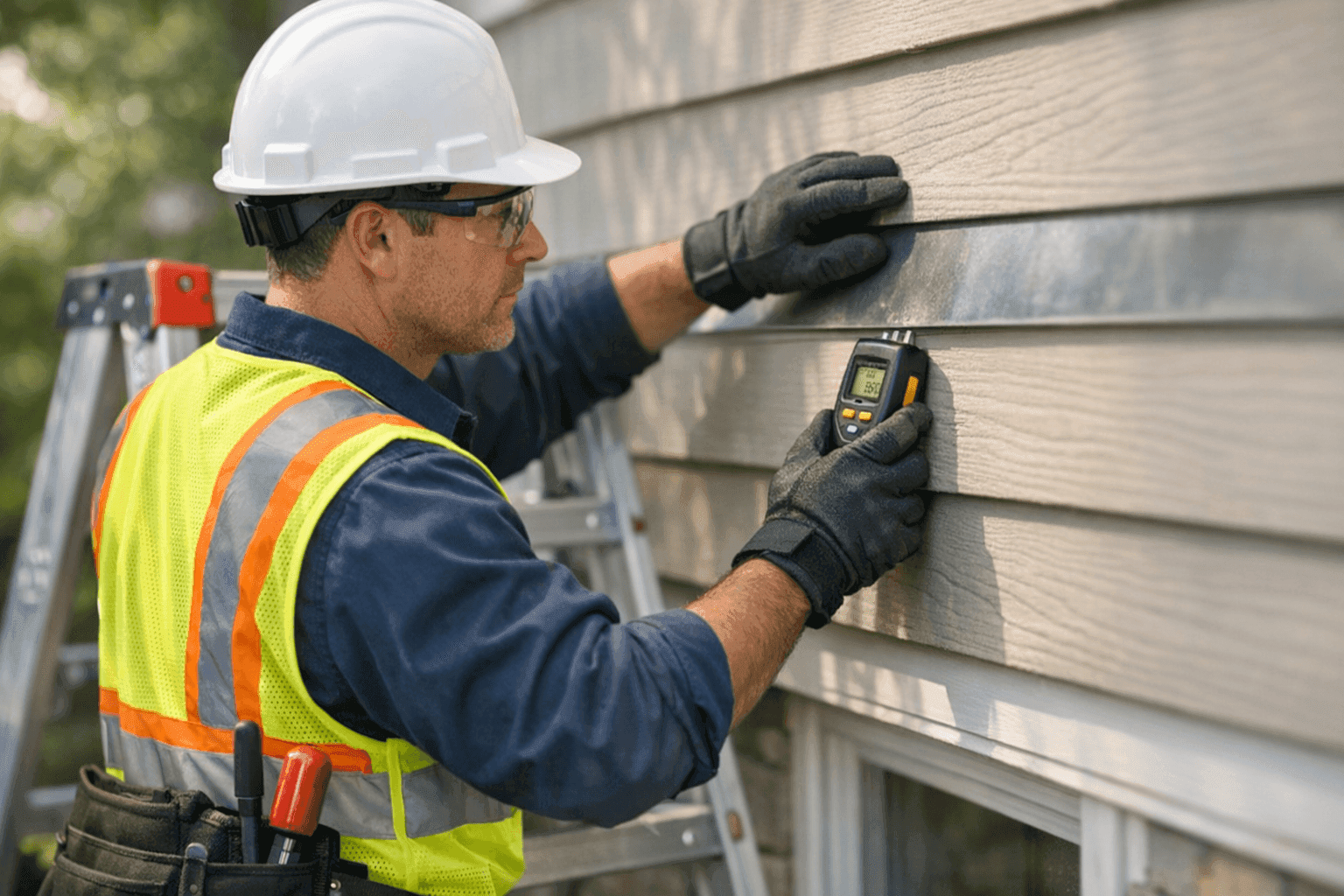
Is your siding trying to tell you something? Sometimes, the smallest draft or bit of moisture hints at bigger problems lurking behind the boards. If you're wondering what really happens during a siding inspection—and how it protects your home or business—you're in the right place.
At J.B. Siding, we know siding isn't just about curb appeal. It's the first line of defense for your property. Here’s what to expect when you schedule a siding inspection, whether for a residential haven or a commercial space built to last.
The Inspection Process 🕵️
A siding inspection is like a wellness check for your building’s shell. It’s not just a glance from the curb. It’s up-close, methodical, and thorough. Think of it as a detective combing the scene. We look for clues: peeling paint, warped boards, or water stains that whisper about hidden leaks.
Here's how it usually unfolds:
- We start with a walk-around, scanning your siding from all angles.
- Next, we check corners, joints, and transition points—places where problems like to hide.
- We examine fasteners, flashing, trim, and even your gutters for related issues.
- Finally, we take note of anything unusual, from tiny cracks to fading colors.
A full inspection takes time, but it pays off. Early detection means smaller repairs—and lower costs down the line.
Tools & Techniques
No magnifying glass required, but our toolkit is just as smart:
- Ladders: For reaching every level, especially on multi-story homes or commercial buildings.
- Moisture Meters: These gadgets are like lie detectors for your siding. They spot wet spots and potential rot before you see them.
- Flashlights & Mirrors: To peek into hidden corners, under eaves, and behind trim.
- Pry Bars: Used gently, they help check for soft spots without causing damage.
- Infrared Cameras (sometimes): For advanced cases where moisture or insulation issues are suspected.
We follow siding installation and inspection best practices, referencing guidelines from the International Residential Code (IRC) and manufacturer recommendations to ensure nothing gets missed.
What Inspectors Look For
A siding inspection covers more than meets the eye. Here’s what’s on our checklist:
- Visible Damage: Cracks, holes, dents, or warping.
- Sealant & Caulking: Is it still flexible and intact? Gaps can let in water and pests.
- Joints & Seams: Are boards tight, or do you see separation?
- Flashing: Properly installed and in good condition, or rusted and failing?
- Fasteners: Missing or loose nails and screws can pull siding away from your building.
- Soffit & Fascia: Signs of rot or pest entry.
- Paint or Finish: Peeling, bubbling, or fading.
- Ventilation: Proper airflow prevents moisture buildup under siding.
- Underlying Structure: Sagging or bowing may reveal trouble beneath.
If you ever spot these issues, especially after a big storm or rapid temperature swing, don’t wait—schedule a checkup right away.
What Pros Do On Arrival
Expect a friendly greeting, a quick discussion about any concerns you’ve noticed, and a review of your siding’s history (especially if you’ve had recent repairs or replacements). We’ll explain our process and listen to your priorities—whether it’s stopping leaks, prepping for a repaint, or planning a siding upgrade.
We’ll also do a quick safety scan to protect you, your family, and our crew. This means checking for power lines, pets, and landscaping that could be affected during the inspection.
Problem Scenarios: When Siding Needs Attention
Siding isn’t invincible. Here are some common trouble signs:
- Water stains inside or outside your walls
- Unexpected drafts near windows or outlets
- Insect trails or nests in soffit, fascia, or joints
- Mold or mildew, especially on north-facing walls
- Siding that rattles in the wind or feels loose to the touch
If you notice any of these, it’s time for a professional inspection. Quick action can prevent further damage and save money.
Quick Safety Checklist
Before the inspector arrives, you can help by:
- Clearing debris and moving obstacles away from siding walls
- Locking up pets or letting us know about them
- Notifying us of recent repairs or areas of special concern
Safety is always our first priority. We use ladders and equipment per OSHA guidelines, ensuring everyone goes home safe at the end of the day.
DIY vs. Call a Pro
You might be tempted to check your siding yourself. While a quick visual scan is smart, many problems hide where you can’t see—or require an expert eye. Moisture meters, for example, are precise tools that catch issues invisible to the naked eye.
DIY is good for cleaning and basic upkeep. But when you need a real diagnosis or repairs, professional inspection is the best route. We’re trained to spot the subtle signs that others miss.
Signs of Trouble: What to Watch For
Not sure if your siding needs attention? Look for:
- Bubbling or blistering paint
- Siding pulling away from the house
- Streaks or staining that appear suddenly
- Gaps between siding boards or around windows
- Unusual noises during storms
See something odd? That’s your siding’s way of waving a red flag.
Timeline & Disruption
Worried about your day being upended? Good news—most siding inspections take just a couple of hours. We work efficiently, and you’ll have full access to your property throughout the process.
Afterwards, we’ll provide a clear, written report outlining our findings and recommended next steps.
Reporting: What You’ll Get
Our inspection reports are straightforward and actionable:
- A summary of overall siding condition
- Photos of any damage or concerns
- Recommendations for immediate repairs or future maintenance
- An honest assessment of lifespan and potential upgrades
We’ll answer your questions and help you understand your options—no pressure, just information you can use.
After the Inspection: Next Steps
Depending on what we find, next steps could include:
- Scheduling repairs for damage or leaks
- Booking a maintenance cleaning or re-caulking
- Planning for a siding replacement or upgrade
- Setting up an annual inspection routine
If your property needs extra attention, like gutter repair or insulation, we’ll point that out, too. For more on how regular siding maintenance keeps your investment secure, check out our service page.
Siding Emergencies: When to Act Fast
Some issues shouldn’t wait. If you have water pouring behind your siding, obvious storm damage, or large holes, call right away. Emergency siding services are available for those urgent moments when quick action makes all the difference.
Prevention & Maintenance: Why Annual Checks Matter 🗓️
Just as you’d get a yearly physical, your siding deserves an annual inspection. This simple step can:
- Prevent costly repairs by catching issues early
- Extend the lifespan of your siding
- Maintain energy efficiency by sealing drafts and leaks
- Protect your property value
The National Association of Home Builders recommends annual inspections for all siding types, especially in areas with severe weather swings.
Seasonal Considerations
Different seasons bring different risks. Spring and fall are prime times for inspections:
- Spring: Check for winter damage, ice buildup, or moisture intrusion.
- Fall: Prep for cold weather, seal gaps, and ensure proper insulation.
Summer sun can cause fading or warping, while winter brings ice and wind. Stay ahead of the weather with regular checks.
Costs & Time Factors
Siding inspection costs are usually modest compared to repairs or replacements. Factors that affect price include property size, siding material, and accessibility. A standard inspection on a single-family home typically wraps up in under half a day.
Common Mistakes to Avoid
Don’t fall for these pitfalls:
- Ignoring small problems until they become emergencies
- Skipping annual checks (out of sight, out of mind)
- Using unapproved cleaners or tools that damage siding
- Forgetting to check gutters and trim as part of your maintenance
A little attention now saves headaches later.
Frequently Asked Questions
How often should siding be inspected?
Once a year is a good rule of thumb, or after major storms.
Is siding inspection messy or disruptive?
Not at all. We leave your property as tidy as we found it.
Can you inspect any siding material?
Yes—wood, vinyl, fiber cement, metal, and stucco. Each has its own quirks, and we know them all.
Do you service commercial buildings?
Absolutely. Our inspections are tailored for both residential and commercial properties.
Have more questions? Our team is happy to help.
Custom Solutions for Every Building
No two properties are alike. Maybe you have unique trim, eco-friendly siding, or special color requirements. We offer custom siding solutions and advice to fit your exact needs, along with detailed material consultations.
If you’re exploring new construction siding near you or need a specialized inspection in your area, J.B. Siding is ready to help. In fact, if you're looking for a siding inspection specialist in Alexandria, visit our Alexandria siding services page for more information.
When it comes to siding, a little vigilance goes a long way. Ready for peace of mind?
Call J.B. Siding now — or reach us anytime at 855-598-5177 .