Vinyl Siding vs. Fiber Cement: Which Is Best?
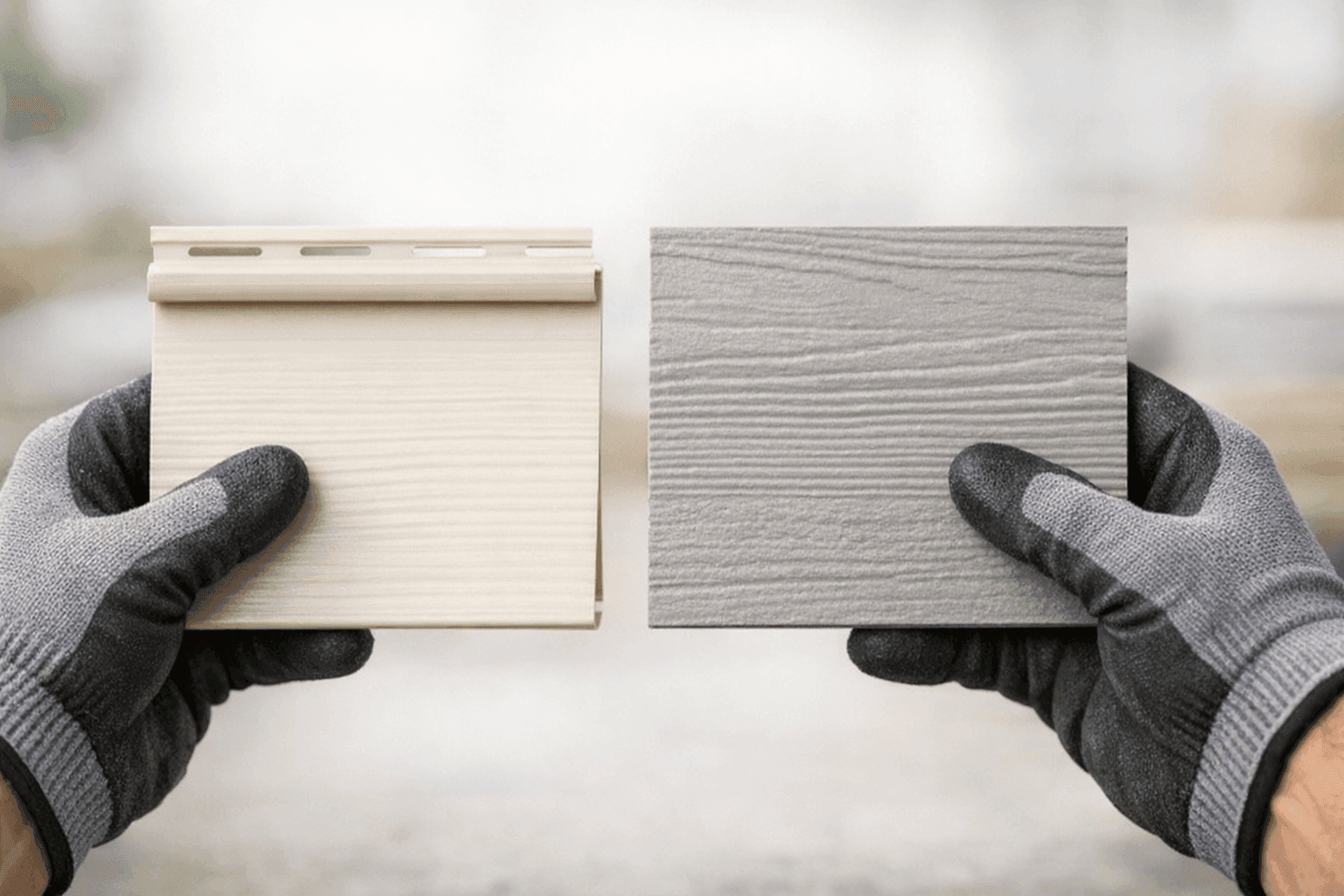
Are you staring at your building’s exterior, torn between vinyl siding and fiber cement? You’re not alone. Picking the right siding isn’t just about curb appeal—it’s about protection, comfort, and value for years to come. At J.B. Siding, we’ve handled every siding scenario you can imagine. Let’s break down the real differences, so you can make a confident, informed choice.
Material Properties: Strength Where It Counts 🏠
Choosing siding is a bit like picking the right armor for your home or business. Vinyl siding is made from durable polyvinyl chloride (PVC), a plastic that flexes with the weather. It resists dents, won’t rust, and shrugs off most scratches. Fiber cement, on the other hand, is a blend of cement, sand, and cellulose fibers. Think of it as the “concrete vest” of siding—solid, heavy, and incredibly tough.
Vinyl Siding:
- Lightweight and flexible
- Resists rot, insects, and corrosion
- Can crack under heavy impact (hail, rocks)
- Not fireproof, but won’t ignite easily
Fiber Cement:
- Dense and rigid—hard to damage
- Immune to termites, woodpeckers, and most pests
- Handles severe weather, but can chip if struck hard
- Non-combustible (meets most fire safety codes)
Code tip: Always check local building codes for fire resistance and wind ratings before choosing a material. The International Residential Code (IRC) is a solid resource.
Cost & Maintenance: What’s the Real Price Tag?
Cost goes beyond the sticker price. It’s also about what you’ll spend over the years—on paint, repairs, and time.
Vinyl Siding:
- Lower upfront cost than fiber cement
- Fast, straightforward installation (less labor cost)
- Needs periodic cleaning, but no repainting
- Lifetime ranges 20–40 years with proper care
Fiber Cement:
- Higher material and labor costs (it’s heavy and needs special tools)
- Needs repainting every 10–15 years, unless you choose factory-finished planks
- Resistant to fading, warping, and cracking
- Can last 30–50 years or more with good maintenance
Money-saving tip: Regular siding cleaning can extend the life of both materials. For tough grime, professional help is worth it.
Aesthetic Options: Curb Appeal Choices 🎨
Your siding is the face your property shows the world. Both materials offer plenty of style options, but with a few important differences.
Vinyl Siding:
- Huge color and texture selection (from classic white to bold blues)
- Mimics wood grain, shakes, or board-and-batten looks
- Color is baked-in, so it won’t peel or chip
Fiber Cement:
- Can be painted any color—change your look anytime
- Available in smooth, textured, or wood-look finishes
- Deeper, more authentic wood grain possible
Pro tip: If you want a custom color scheme, fiber cement gives you total freedom. For low-maintenance color, vinyl is hard to beat.
Moisture Resistance: Keeping Trouble Out
Water is siding’s worst enemy. How do these two materials hold up?
Vinyl Siding:
- Sheds water, but must be installed over a moisture barrier
- Can trap moisture if not ventilated properly (risking mold)
- Needs careful caulking and flashing at joints
Fiber Cement:
- Won’t rot, swell, or warp from moisture
- Breathes better, reducing trapped water risk
- Still needs proper flashing and caulking
Industry insight: Proper siding ventilation and flashing are crucial, no matter the material. Our siding consultation helps spot trouble before it starts.
Installation: Time, Tools, and Disruption
Installing siding isn’t just about slapping on boards. It’s about precision, safety, and minimizing mess.
Vinyl Siding:
- Lightweight panels snap into place
- Quick install means less disruption for your family or business
- Can be tricky around windows, doors, and tricky trim
Fiber Cement:
- Heavy—always needs two people (or more) to lift
- Special saws required (watch out for silica dust—wear a mask)
- Takes longer, but delivers a rock-solid finish
Safety note: The Occupational Safety and Health Administration (OSHA) recommends proper dust control and respirators when cutting fiber cement.
Durability & Weather Resistance: Toughness on Trial
Storms, hail, sun, and wind—your siding needs to perform year after year.
Vinyl Siding:
- Resists wind, but can blow off in extreme storms if not installed right
- Can crack or fade in harsh sun over decades
- Holds up well in most climates
Fiber Cement:
- Unmatched wind and hail resistance
- Handles freezing temps and blazing heat
- Won’t melt or warp near heat sources (like grills)
Storm damage tip: If your property is prone to severe weather, fiber cement may provide extra peace of mind. Still, prompt repairs and strong installation matter most.
Color Retention: Will It Stay Bright?
No one wants their siding to fade into the background—or worse, fall victim to unsightly blotches.
Vinyl Siding:
- Color is part of the panel, so it resists peeling and chipping
- Can fade over decades, especially in darker shades
Fiber Cement:
- Factory finishes resist fading for 10–20 years
- Painted surfaces may need touch-ups or full repainting
Eco-Friendliness: Green Choices 🌱
Siding choices can impact the planet, too.
Vinyl Siding:
- Made from PVC, a plastic derived from fossil fuels
- Some recycling possible, but limited in many regions
- Lightweight shipping reduces transportation emissions
Fiber Cement:
- Made from sand, cement, and wood fibers (renewable content)
- Heavier to ship, but very long-lasting
- Can be recycled as aggregate at end of life
Looking for eco-friendly siding options? Ask us about new blends and recycling programs.
Insulation & Comfort: Keeping Cozy
While neither vinyl nor fiber cement is an insulation superstar on its own, both can be paired with foam backers or integrated insulation panels.
- Vinyl Siding: Often available with insulated backing for improved energy efficiency.
- Fiber Cement: Typically installed over a separate insulation layer.
For improved comfort and lower energy bills, consider insulation installation as part of your siding upgrade.
Safety Checklist: Before You Choose
- Check local codes for fire, wind, and moisture requirements.
- Inspect your current wall structure—do you need repairs first?
- Consider your climate—extreme weather may favor fiber cement.
- Think about maintenance time and repainting budgets.
- Decide if you want to change colors in the future.
DIY vs. Call a Pro
Vinyl siding is a favorite for handy homeowners because it’s light and easy to cut. But mistakes can leave gaps or leaks. Fiber cement is best left to the pros—it’s heavy, dusty, and unforgiving if misaligned. If you’re unsure, schedule a siding consultation for a low-stress start.
When It’s an Emergency
Storm damage? Cracked panels? Sudden leaks? Both vinyl and fiber cement can be repaired, but matching colors and textures takes skill. For urgent siding repair or replacement, don’t wait—quick action prevents bigger headaches.
Prevention & Maintenance: Keep Siding Looking Sharp
- Vinyl: Wash gently with soap and water each spring.
- Fiber Cement: Inspect caulking and paint every few years. Touch up as needed.
- Clear gutters and downspouts to avoid water stains or mold.
Common Mistakes to Avoid
- Skipping the moisture barrier during installation
- Overdriving nails (can crack vinyl or fiber cement)
- Neglecting caulk and flashing
- Choosing color without viewing large samples in outdoor light
Timeline & Disruption: What to Expect
Vinyl siding jobs can often be completed in a week or less for an average home. Fiber cement may take longer—plan for extra days, especially for larger buildings or custom trim. Weather, material supply, and crew size all play a part.
Ideal Uses: Where Each Shines
- Vinyl Siding: Great for budget-conscious homeowners, quick upgrades, and low-maintenance rental properties.
- Fiber Cement: Perfect for high-end homes, historic renovations, commercial buildings, and anyone needing max durability.
Which Should You Choose? Your Final Decision
Picture your building in a year. Five years. Twenty years. Still looking sharp? Still keeping the weather out? Your siding should fit your style, budget, and climate. If you need help deciding, our team at J.B. Siding is here for honest advice.
If you’re searching for “New Construction Siding near you” or want trusted pros for your next project, check out our Rio Rancho siding services for tailored local solutions.
Call J.B. Siding now — or reach us anytime at 855-598-5177 .