Understanding Siding Warranties: What’s Covered?
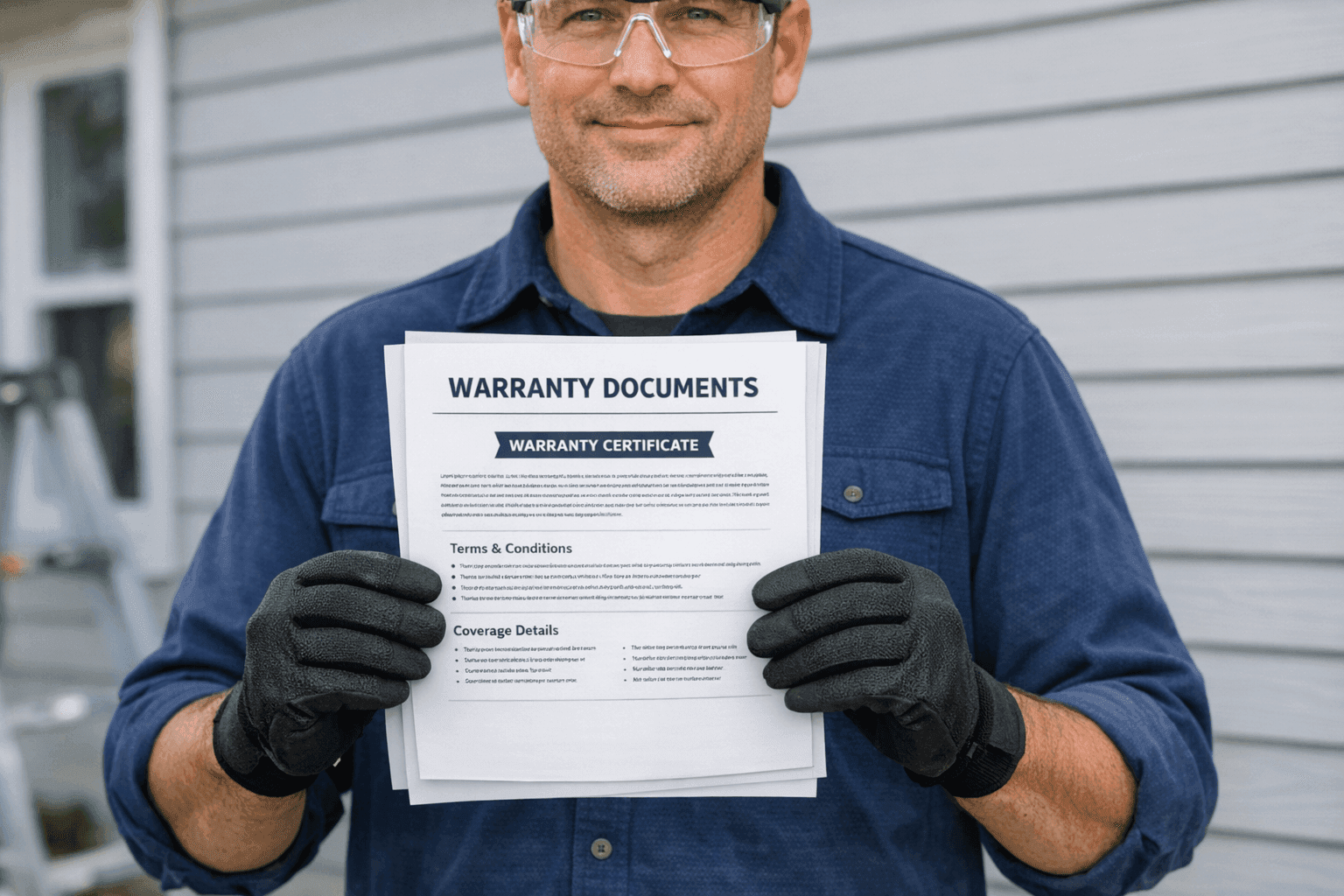
Siding is your property’s shield. It’s the jacket against wind, the umbrella in a storm. But what happens if that shield fails? That’s where your siding warranty comes in—a safety net you hope you never need.
At J.B. Siding, we know warranty confusion is real. Homeowners and business owners alike ask: What’s actually covered? How do I file a claim? Can I accidentally void my warranty? Let’s clear the fog around siding warranties, so you can make informed choices and protect your investment.
Types of Siding Warranties 🛡️
Not all warranties are cut from the same cloth. Think of them as umbrellas: some are wide and sturdy, others just keep the rain off your shoulders.
Manufacturer Warranty:
This comes from whoever made your siding—think James Hardie for fiber cement, or CertainTeed for vinyl. It usually covers defects in the material itself, like cracking, warping, or premature fading. Manufacturer warranties often last 20–50 years, but the fine print matters.
Workmanship Warranty:
Offered by the contractor (like J.B. Siding), this protects against issues resulting from how the siding was installed. If something leaks, buckles, or falls off because of installation errors, the workmanship warranty is your backup.
Pro tip: Ask for both, and know how long each lasts.
What’s Usually Covered
Warranties are not magic wands, but they do offer real protection.
- Material Defects: Cracks, holes, or major color fade outside normal wear.
- Installation Errors: Only when covered by a separate workmanship warranty.
- Seams & Fasteners: Some cover issues with nails or fasteners if tied to manufacturer defects.
- Premature Wear: If your siding shows major weathering before its time, check your paperwork.
For New Construction Siding near you, always review both types of warranties before signing off on a project.
Exclusions & Fine Print 🚫
Warranties have limits—sometimes hidden in the weeds.
- Weather Damage: Most exclude hurricanes, tornadoes, and hail. That’s an insurance matter.
- Improper Maintenance: Missed cleaning or skipping yearly checks? That can void your coverage.
- Unauthorized Repairs: DIY fixes or hiring an unlicensed contractor may rip up your warranty like a bad check.
- Accidental Damage: Lawn mowers, baseballs, or falling branches? Not covered.
- Mold, Mildew, or Pests: Unless specifically included, most warranties exclude these.
- Color Changes: Some fading is normal—warranties only kick in if it’s excessive.
Always read your warranty’s “exclusions” section. This is where most surprises lurk.
The Timeline: How Long Does Coverage Last?
Warranties range from a brief handshake (1–2 years for workmanship) to marathon coverage (40–50 years for premium materials). Some are “prorated”—meaning the coverage drops as your siding ages. Others are “lifetime,” but only for the original owner.
If you sell your home or building, check if the warranty transfers. Some do, but only if you jump through paperwork hoops.
DIY vs. Call a Pro
Thinking of fixing a loose panel yourself? Pause. Many warranties become void if repairs aren’t handled by a certified siding pro. Always call a licensed contractor for repairs, inspections, or adjustments.
Check out our siding-inspection service for a safe, warranty-friendly way to keep your siding in top shape.
What Pros Do On Arrival
When you call J.B. Siding, here’s how we ensure your warranty stays intact:
- Thorough Inspection: We check for material failures, installation flaws, hidden leaks, and weather damage.
- Documentation: Photos, notes, and a written report for your records.
- Warranty Review: We help you understand what’s covered and highlight any maintenance needs.
- Authorized Repairs: All work is completed to manufacturer guidelines.
Quick Safety Checklist
- Inspect siding visually twice a year—spring and fall work best.
- Clean gently with a garden hose or soft brush, never a pressure washer.
- Trim trees and shrubs to avoid scratches or punctures.
- Check gutters and downspouts for clogs that could cause water damage.
- Look for signs of pests or rot, especially around corners and seams.
Seasonal Considerations 🌦️
Seasons test your siding. Winter’s ice, summer’s heat, spring storms—they all chip away at protection. After major weather events, walk around your property and look for new cracks, dents, or loose panels.
If you spot trouble, schedule a siding-replacement assessment before minor issues snowball into costly repairs.
Maintenance: The Key to Warranty Validity
Your warranty is only as strong as your care routine. Here’s how to keep it valid:
- Follow Manufacturer Guidelines: Keep the care sheet from your installer and follow it to the letter.
- Annual Cleaning: Use only recommended products.
- Fast Repairs: Address small issues before they become big enough to void coverage.
- Document Everything: Keep records of inspections, repairs, and cleanings.
Common Mistakes That Void Warranties
- Power washing with excessive force.
- Painting or sealing with unauthorized products.
- Using harsh chemicals for cleaning.
- Waiting too long to fix a small issue.
- Neglecting annual inspections.
Documentation: The Paper Trail That Pays Off
A warranty is only as good as your paperwork. Save:
- Original contracts and receipts.
- Warranty certificates.
- Maintenance and inspection logs.
- Photos of your siding before and after major storms.
Having these ready speeds up claims and helps you prove your case if there’s ever a dispute.
How to File a Warranty Claim
If you think your siding is covered, act fast:
- Review your warranty and confirm coverage.
- Take clear, dated photos of the problem.
- Gather your maintenance and repair records.
- Contact your contractor or manufacturer with all documentation.
- Get a written response and timeline for next steps.
Keep copies of every interaction. If the process stalls, refer to manufacturer customer service or your state’s consumer protection office for help.
Costs & Time Factors
The cost of repairs not covered by warranty often comes as a shock. Material-only warranties leave you responsible for labor. Workmanship warranties may only apply for a short window—and travel fees or disposal costs are rarely included.
Expect a claim to take anywhere from a week to several months, depending on the manufacturer’s process and the issue’s complexity.
When It’s an Emergency 🚨
Storm damage or sudden leaks aren’t just an eyesore—they can lead to rot, mold, or structural issues. Most warranties won’t rush repairs, but your insurance policy might. For urgent needs, call a siding contractor (like J.B. Siding) who can document damage and help you navigate both warranty and insurance claims.
Prevention & Proactive Care
- Schedule professional inspections each year.
- Clean gently and check for caulking gaps.
- Address drainage or gutter issues immediately.
- Don’t put off minor repairs.
For a local perspective on siding care, see our highly-rated siding services in Springdale.
FAQ: Siding Warranties
Can I transfer my siding warranty if I sell my house?
Sometimes. Read the fine print and file any needed transfer paperwork within the required window.
Are all siding materials covered equally?
No. Fiber cement, vinyl, wood, and metal all have different coverage conditions and durations.
Does storm damage count?
Usually not—warranties exclude “acts of God” like hail or tornadoes. That’s for insurance.
How often should I inspect my siding?
Twice a year, plus after major storms or construction nearby.
The Bottom Line
Siding warranties are important—but only if you understand them. Keep your records organized, follow maintenance guidelines, and don’t ignore small problems. With the right information and regular care, you’ll get the most from your investment.
Call J.B. Siding now — or reach us anytime at 855-598-5177 .