Trim and Molding Installation: The Finishing Touch for Siding Projects
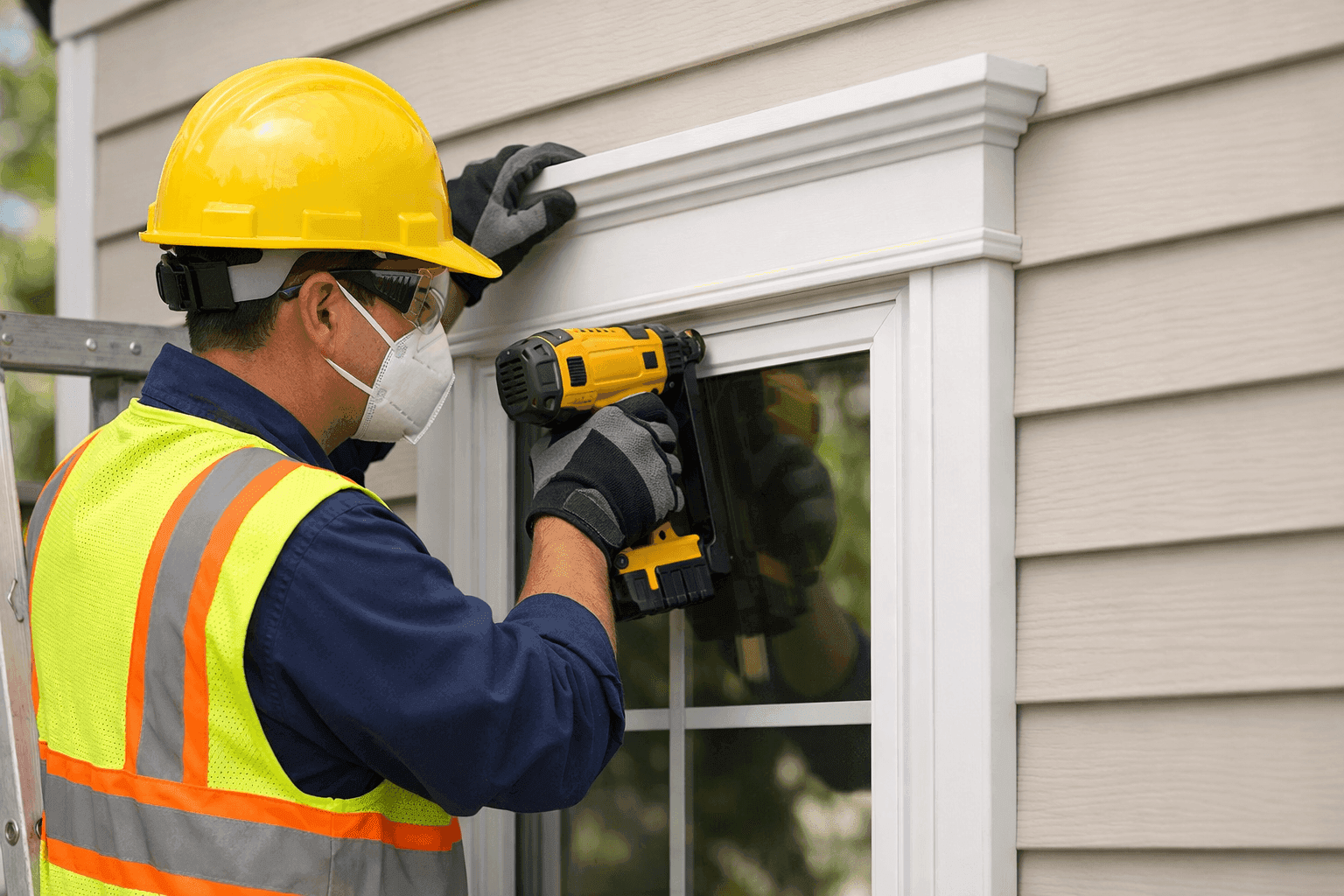
Every siding project deserves a finishing touch that stands out. Whether it’s a new build or a much-loved home ready for a facelift, trim and molding installation is that extra detail that can make everything feel complete.
At J.B. Siding, we know that the right trim doesn’t just add beauty—it shields your investment, too. Let’s explore why this step matters and how thoughtful choices can elevate your siding for years to come.
What is Exterior Trim and Molding? 🏡
Think of trim and molding as the frame that makes a painting pop. On your home or business, it’s the crisp border along corners, windows, doors, and rooflines. Trim covers the seams, gaps, and edges where siding meets other surfaces—sort of like the outline of a great book, keeping the story neat and memorable.
Types of trim and molding you’ll commonly see:
- Corner boards (vertical pieces at siding corners)
- Window and door casings
- Drip caps above windows and doors
- Band boards (horizontal trim between floors)
- Decorative moldings for custom flair
These elements aren’t just for looks. They help direct water away from vulnerable spots, keep pests out, and prevent wind from sneaking behind your siding.
Benefits for Curb Appeal and Protection
Trim is the handshake your home gives the neighborhood. Done right, it draws the eye, frames architectural details, and boosts curb appeal instantly.
But it’s not all about appearances. Here’s what professional trim and molding installation adds:
- Water Defense: Channels rain and snowmelt away from joints, protecting the integrity of your siding.
- Energy Efficiency: Seals gaps where drafts and moisture might try to sneak in.
- Long-Term Value: Prevents premature wear by shielding edges and corners—often the first spots to show damage.
- Design Flexibility: From bold contrasts to subtle blends, trim lets you express your style or reinforce your branding.
A fresh trim job can be the difference between “nice house” and “wow, that’s sharp.”
Trim Material Options: Choosing What Lasts
Trim materials are as varied as the homes they protect. Each option brings its own strengths. Here’s a tour of the most popular choices:
Wood Trim
Classic and versatile. Paintable. Works beautifully with wood siding but needs regular sealing or painting to stay weather-resistant.
Fiber Cement Trim
Tough as nails. Resists rot, fire, and insects. Holds paint well and mimics the look of real wood.
PVC or Vinyl Trim
Low maintenance. Won’t warp or rot. Great for humid or rainy climates. Often used to match vinyl siding and provide a seamless look.
Metal Trim
Aluminum or steel. Durable, sleek, and modern. Ideal for contemporary commercial siding or accenting key features.
Engineered Wood
Blends real wood fibers with resins for added strength. Durable, budget-friendly, and holds paint well.
Tip: Match your trim material to your climate and siding type for best performance. The International Residential Code (IRC) offers guidelines for exterior cladding and trim installations—always worth reviewing before starting a project.
The Installation Process: Craftsmanship in Every Cut
Installing trim and molding is part science, part art. Here’s what a typical process looks like:
- Inspection: Evaluate siding edges, window/door frames, and corners for damage or rot.
- Measurement & Planning: Measure twice, cut once. Every piece must fit snugly for both beauty and weather protection.
- Cutting & Fitting: Use specialized tools for straight, clean cuts—no rough edges or awkward seams.
- Attachment: Secure trim with corrosion-resistant nails or screws. Flashing and caulking are used at joints to keep water out.
- Finishing Touches: Paint or stain as needed. Caulk all edges for a watertight seal. Polish up any hardware or fasteners.
When you call in pros for trim and molding installation, you’re getting more than just a set of hands. You’re investing in years of know-how, steady attention to detail, and the peace of mind that comes from a job done right.
Maintenance and Upkeep
Trim and molding aren’t “set it and forget it.” Like a classic car, they need a little TLC to stay sharp and strong.
Ongoing care tips:
- Inspect Annually: Look for cracks, peeling paint, or soft spots—especially near joints or ground level.
- Clean Gently: Hose off dirt and grime. Avoid harsh chemicals that can strip finishes.
- Paint or Seal: Refresh paint every 5–10 years, or as soon as you see fading or flaking. For vinyl or metal, check for stains or corrosion.
- Caulk and Seal: Reapply caulk if gaps appear, especially after heavy storms or temperature swings.
If you spot trouble, don’t wait. Siding trim repair can address minor damage before it spreads and leads to bigger issues.
When to Paint or Refresh Your Trim
A coat of paint isn’t just about color—it’s a shield. Over time, even the toughest trim can lose its luster. Faded, chipped, or peeling paint exposes the underlying material to the elements.
- Repaint wood or fiber cement every 5–10 years.
- For vinyl or PVC, occasional cleaning and spot touch-ups may be all you need.
- Metal trim may need rust-preventative finishes in coastal or humid environments.
Color curious? Our siding painting service can help you choose tones that complement your siding and make architectural details pop.
Safety Checklist for Trim Installation
Before you pick up a hammer, safety first. Trim work often means ladders, saws, and tight corners.
- Always wear eye protection and gloves.
- Use sturdy ladders—on stable ground.
- Watch for hidden wires or pipes before nailing.
- Follow manufacturer instructions for fasteners and adhesives.
- If you’re not sure, call in a pro.
Local building codes, like those outlined by the National Association of Home Builders (NAHB), set standards for exterior trim. Don’t cut corners—good prep saves headaches down the road.
DIY or Call a Pro? Knowing Your Limits
Installing trim looks straightforward—but it’s a bit like frosting a cake. Anyone can try, but only seasoned hands get it smooth and seamless.
DIY might be right if:
- You’re confident with tools.
- The project is small (like one window or corner).
But for full facades, tricky angles, or older homes, professional installation is a wise investment. Quality trim work is measured in millimeters, not inches.
Common Mistakes to Avoid
Even well-intentioned work can go sideways. The most common trim blunders:
- Skipping flashing or caulk, leading to leaks.
- Using mismatched materials that expand or contract at different rates.
- Cutting corners (literally) with rough or uneven joints.
- Overdriving nails and cracking the trim.
- Ignoring manufacturer specs for fasteners or sealants.
A little patience—and professional guidance—can prevent headaches later.
Signs Your Trim Needs Attention
Keep an eye out for these early warnings:
- Gaps or separations between trim and siding
- Soft, spongy spots (rot or water damage)
- Peeling or bubbling paint
- Visible mold, mildew, or staining
- Warped or bowed boards
Early action is key. Even a small repair can protect the entire wall from bigger problems.
Costs & Time Factors
Trim installation costs depend on material, design, and detail. Simpler profiles and vinyl may be budget-friendly. Custom woodwork or elaborate moldings cost more. Most residential jobs take 1–3 days; complex commercial siding projects can take longer.
- Material: 20–50% of the total cost
- Labor: 50–80%, depending on project size and complexity
Ask for an itemized estimate so you understand what’s included. It’s the best way to avoid surprises.
Seasonal Considerations: Best Time for Trim Work
Spring and fall are prime seasons for trim and siding projects. Temperatures are mild. Materials expand and contract less. Paints and sealants cure best in dry weather.
Storms or freeze-thaw cycles can reveal hidden trim issues. Regular post-winter inspections help catch problems before they escalate.
Trim and Molding for New Construction Siding Near You
Building a new home or commercial space? Don’t leave trim as an afterthought. Integrating trim and molding into your new construction siding near you ensures every detail fits together harmoniously—right from the start.
Siding Ventilation and Trim: A Hidden Partnership
Properly installed trim doesn’t just look good. It helps maintain airflow behind your siding, which prevents trapped moisture and mold. J.B. Siding evaluates ventilation needs during every trim project, following best practices recommended by the Vinyl Siding Institute and local building codes.
Emergency Trim Repair: When Quick Action Matters
Accidents happen—a fallen branch, a hailstorm, or an errant baseball. Damaged trim can quickly let water and pests in. Emergency siding services from a skilled crew mean repairs are made fast and right, minimizing risk to your home or business.
FAQs: Trim & Molding Edition
How often should trim be replaced?
With proper care, quality trim can last decades. Replace when you see rot, severe cracks, or persistent leaks.
Can I mix trim materials?
Yes, but be mindful of how different materials expand, contract, and age.
Does new trim require painting?
Most wood and fiber cement trim does. Vinyl and PVC may not—ask your installer.
Is trim just for aesthetics?
No. While it adds style, it’s also a frontline defense against water and weather.
Ready to give your siding the finishing touch it deserves?
Call J.B. Siding now — or reach us anytime at 855-598-5177 .