The Role of Siding in Home Value and Resale
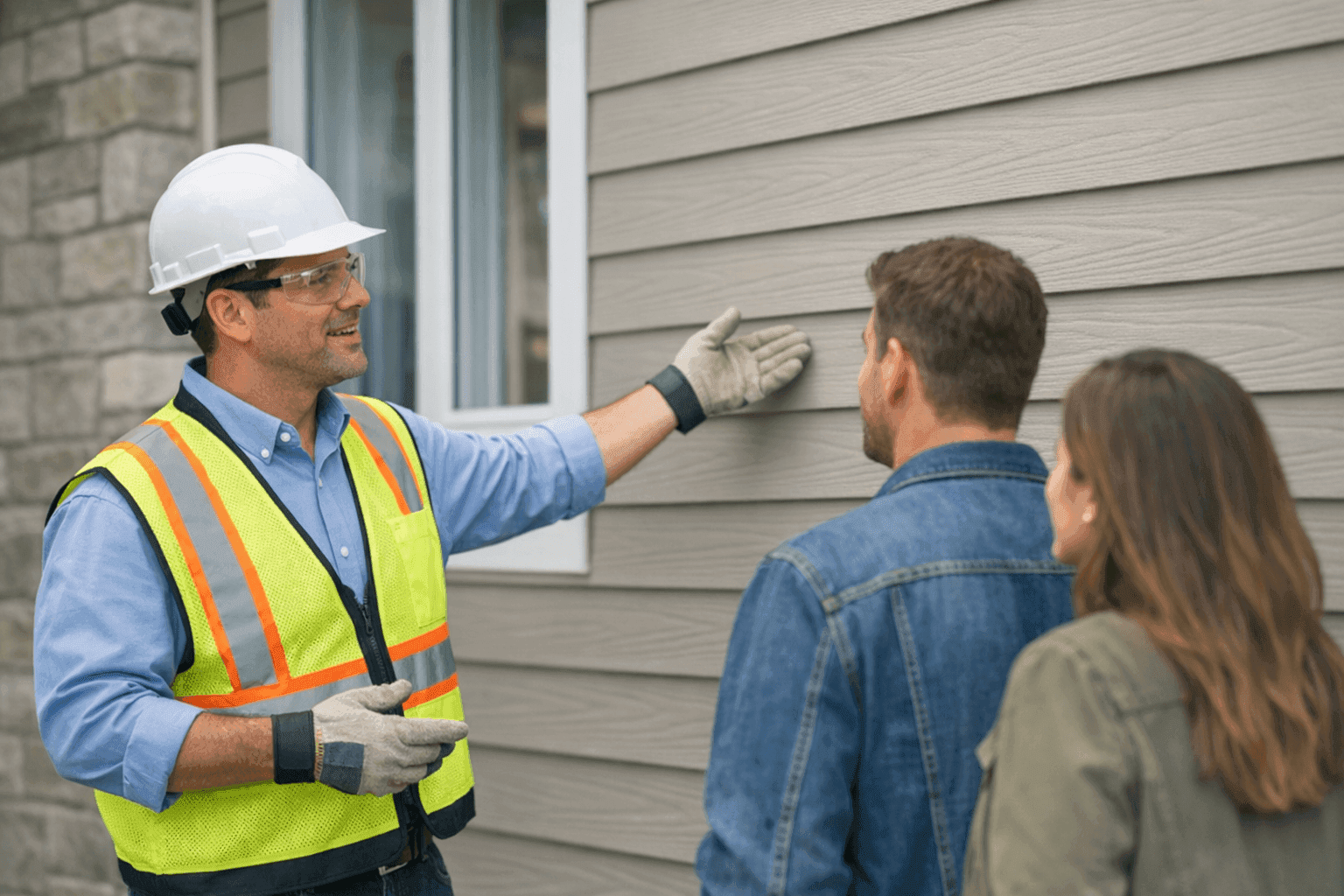
Is your home’s curb appeal holding back your biggest investment? Siding isn’t just a shell—it’s your first impression on buyers. Whether you’re prepping to sell or just want to keep your property value strong, the right siding choices make all the difference.
At J.B. Siding, we see it every season: fresh siding turns heads and raises offers. But not all materials or colors are created equal. Let's dig into what actually moves the needle on home value.
Siding & Home Value: More Than Good Looks
Imagine rolling up to a house with faded, cracked siding. Even before stepping inside, buyers start tallying up repairs. According to the National Association of Realtors’ Remodeling Impact Report, new siding consistently lands in the top five projects for return on investment (ROI)—sometimes recouping over 75% of its cost on resale.
But it’s more than dollars. Siding acts as a weather shield, insulation, and style statement. When buyers see well-chosen, well-maintained siding, they picture a home cared for in every detail. That’s peace of mind—and a higher offer.
Best Materials for ROI: What the Data Says 🏡
Not all siding is equal when it comes to ROI. Let’s break it down:
- Vinyl Siding: A perennial favorite for its affordability and low upkeep. Remodeling Magazine’s Cost vs. Value Report often places vinyl siding near the top for ROI—sometimes returning 80% or more of its cost.
- Fiber Cement Siding: This material is storm-tough and stylish, with a wood-like look. ROI here is strong, often rivaling vinyl, with added fire resistance and longevity.
- Wood Siding: Timeless but higher maintenance. ROI can be significant in historic or upscale neighborhoods where authenticity counts.
- Metal & Stucco Siding: Great for energy efficiency and durability, especially on commercial properties or in modern designs.
Material choice sends a message. Choose wisely for your market and climate. Not sure what fits your property? Our siding-consultation service guides you through the options.
Condition Matters: The Red Flag Checklist
Siding in poor shape is like a suit with loose threads. Even the best material drops in value if it’s dented, dirty, or missing pieces. Here’s what buyers and inspectors notice first:
- Warping, cracking, or peeling panels
- Rot, mold, or mildew stains
- Faded or mismatched color
- Gaps or loose boards (hello, critters!)
- Bent or missing trim and flashing
According to the International Association of Certified Home Inspectors, siding defects are a top reason for failed inspections. Small issues can snowball—so regular siding maintenance pays off, especially before listing.
Selling with New Siding: Staging Tips for Maximum Impact
Selling a home is like setting a stage. You want buyers to fall in love before they reach the front door. Here’s how siding fits into your prep plan:
- Choose Neutral, Modern Colors: A fresh coat in greige, taupe, or classic white appeals to the most buyers. The National Association of Home Builders notes that neutral exteriors sell faster.
- Clean & Pressure Wash: Even older siding looks newer with a deep clean. Remove algae, dirt, and cobwebs.
- Upgrade Trim & Accents: Crisp, contrasting trim frames the house and makes features pop.
- Repair First, Replace If Needed: Sometimes a few repairs go a long way. But if the siding is past its prime, replacement can make a dramatic difference—often recouped in sale price.
- Don’t Forget Gutters and Soffits: Sagging gutters or damaged fascia can drag down the whole look.
Material Selection: What’s Right for Your Neighborhood?
A modern home clad in rustic wood can look out of place. The same goes for vinyl in a historic district. Look at the homes around you. Are buyers here seeking eco-friendly options, or do local codes favor impact-resistant siding due to storms? Our residential siding experts help match materials to your setting and long-term goals.
Color: The Silent Salesman
Color can be the difference between “meh” and “wow.” According to Zillow, homes with blue or gray siding often outsell those with bolder colors. But it’s not just about trends—consider your roof, landscaping, and even the light in your area. If in doubt, a siding color consultation focused on high-value siding choices can help you dial in the perfect shade for your market.
DIY or Professional Siding Installation?
Tempted to save with a weekend project? Siding isn’t just snapping panels into place. It’s about waterproofing, insulation, and safety codes—like those set by the International Residential Code (IRC). Small mistakes can lead to leaks, pests, or insurance headaches.
Professionals bring the right tools, materials, and know-how. They also spot hidden issues with flashing, ventilation, or trim. The result: siding that performs and looks right for years.
Seasonal Considerations: When to Replace or Repair
Spring and early fall are prime times for siding projects. Mild weather helps materials cure and adhesives bond. Avoid mid-winter installs, especially in freezing climates, unless it’s an emergency. After storms, check for damage—quick fixes now can save bigger repairs later.
Costs & Timeline: What to Expect
Costs vary by material, square footage, and prep needed. Vinyl is often the most budget-friendly; wood and fiber cement cost more up front but last longer. Most residential jobs take 1–2 weeks, depending on weather and repairs.
Factor in the disruption: expect some noise and dust, but a pro crew keeps things tidy. J.B. Siding communicates clearly, so you always know what’s next.
Safety First: What to Look for
If you’re inspecting your own siding, keep safety in mind. Use sturdy ladders, watch for wasp nests, and wear gloves—splinters and sharp edges are common. For multi-story homes or metal siding, call in pros with the right gear and training.
Preventing Trouble: Maintenance Matters
Prevention is worth a pound of repairs. Here’s how to keep siding in top shape:
- Inspect twice a year for cracks, mold, or pests
- Clean with a garden hose and mild soap (avoid pressure washers on wood)
- Repaint or re-seal wood and fiber cement every 5–10 years
- Keep gutters clear to prevent water damage
Common Mistakes When Upgrading Siding
- Ignoring local codes or HOA rules
- Choosing trendy but impractical colors
- Skipping flashing or insulation upgrades
- Overlooking trim and gutter coordination
A well-planned siding project avoids these pitfalls—and boosts long-term value.
Siding and Energy Efficiency
Insulated siding can cut your heating and cooling bills. The U.S. Department of Energy highlights siding as a key player in home envelope performance. Ask about insulation upgrades when replacing or repairing your exterior.
Siding in Commercial Properties
Curb appeal isn’t just for homes. Commercial buildings with clean, modern siding draw in tenants and customers. Durable materials like metal, fiber cement, or specialty vinyl stand up to heavy use and weather.
When It’s an Emergency
Storm damage? Missing panels after high winds? Quick action prevents water intrusion and mold. J.B. Siding offers prompt emergency siding services to secure your property fast.
Frequently Asked Questions
How often should siding be replaced?
Most siding lasts 20–40 years, depending on material and care. Inspect annually for trouble spots.
Can I paint over old siding?
Yes, but only if the material allows (vinyl, fiber cement, and wood are paintable). Cleaning and prepping are key.
Is new construction siding different from replacement?
New builds allow more flexibility. Replacements must work with existing structures and codes. Both impact value.
Ready to Boost Your Home Value?
The right siding is more than skin-deep. It’s the handshake your house offers every potential buyer. Whether you’re planning ahead or prepping for a sale, J.B. Siding is here to help you make every impression count.
Call J.B. Siding now — or reach us anytime at 855-598-5177 .