The Role of Siding in Fire Resistance
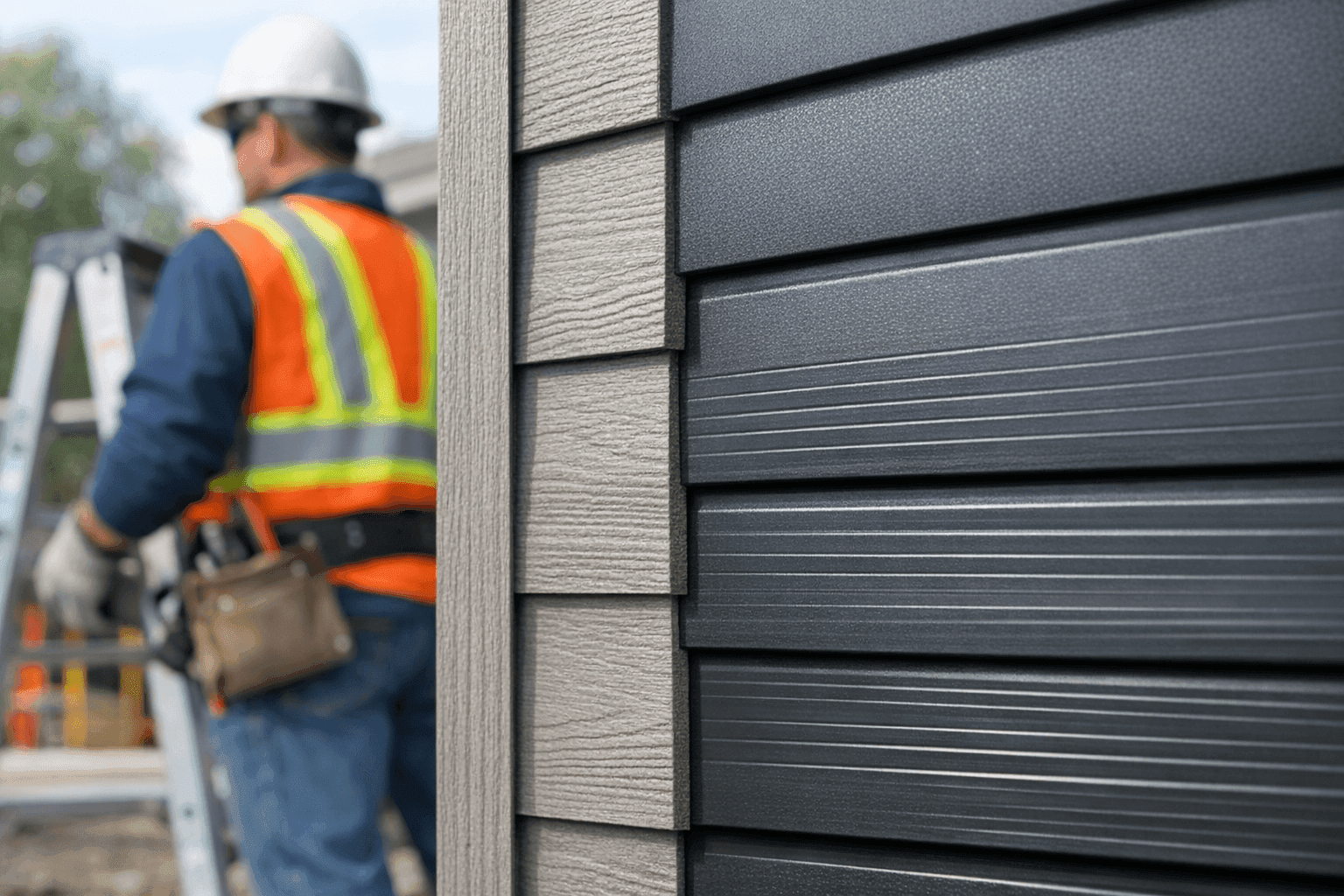
When wildfires roar through a neighborhood or a spark catches on a windy day, siding isn’t just decoration. It’s the armor that stands between your property and disaster. At J.B. Siding, we know the stakes are high. That's why we offer solutions that do more than look good—they help protect what matters most.
Fire resistance isn’t just a buzzword. It’s a real concern for homeowners and commercial property managers, especially in fire-prone regions. Choosing the right siding could mean the difference between a close call and a catastrophe.
Why Fire Resistance Matters 🔥
Fire can spread faster than you think. A single ember carried by the wind can land on your home or business and ignite vulnerable materials in seconds. Siding acts like a shield. When it’s fire-resistant, it slows the blaze, giving firefighters precious time—and giving you peace of mind.
In high-risk areas, fire-resistant siding is more than a smart choice; it’s often required by building codes. But even outside fire zones, storms or electrical accidents can spark trouble. Siding that stands up to heat and flames is a silent guardian, always on watch.
Top Fire-Resistant Materials
Not all siding is created equal. Here are three proven options that stand out for their fire protection:
Fiber Cement Siding
Fiber cement is like a knight’s plate armor. Composed of sand, cement, and cellulose fibers, it’s non-combustible. Even when exposed to direct flames, it won’t ignite or fuel a fire. That’s why it’s a top pick for both new construction siding near you and remodels.
- Great for both homes and businesses
- Resists warping, cracking, and pests
- Low maintenance; paint holds up well
Looking for more details? See our fiber cement siding installation page for the full rundown.
Metal Siding
Metal siding, especially steel and aluminum, laughs at fire. It doesn’t burn, and it acts as a heat barrier. While it may discolor under extreme temperatures, it won’t add fuel to a blaze.
- Popular for commercial siding and modern homes
- Durable against storms, hail, and sun
- Can be recycled for eco-friendly appeal
Curious about options? Check out metal siding installation for inspiration.
Stucco Siding
Stucco, made from cement, sand, and lime, has a storied history in fire zones. Properly installed stucco wraps your home in a thick, fire-resistant blanket.
- Often used in Southwest and wildfire-prone regions
- Can be applied over other materials for added protection
- Offers natural insulation benefits
Understanding Codes and Fire Zones
Building codes are more than red tape. They’re lifelines. The International Building Code (IBC) and local authorities have specific rules for homes and businesses in fire hazard areas. These may include:
- Minimum fire ratings for siding materials
- Requirements for non-combustible trim, soffit, and fascia
- Clearances for vegetation and structures
Always check with your local building department. If you’re not sure, our siding material consultation can help you decode the details.
Quick Safety Checklist
Want to know if your siding is up to the task? Run through this:
- Is your siding rated as non-combustible or fire-resistant?
- Are gaps sealed with fire-rated caulking?
- Is the soffit and fascia in good repair—no cracks or holes?
- Are vents protected with metal mesh?
- Is the siding clean and free of debris near the base?
A quick walk-around today could save you a major headache tomorrow.
Installation Tips for Maximum Fire Protection 🧰
Fire-resistant materials do their job best when installed with care. Here’s how pros at J.B. Siding approach it:
- Use fire-rated flashing around windows, doors, and corners.
- Overlap siding panels to prevent heat from sneaking in.
- Seal joints with approved, fire-resistant caulk.
- Reinforce vulnerable spots, like eaves and roof-to-wall intersections.
- Install metal vents or screens to block embers.
Each step matters. Like stacking sandbags before a flood, every detail can slow the fire down.
Upgrading Existing Siding
Have older siding? Don’t panic. You don’t always need a complete overhaul. Here’s what you can do:
- Add a layer of fiber cement or metal over existing siding (when codes allow)
- Replace damaged trim, soffit, or fascia with fire-resistant options
- Upgrade vents and caulking to fire-rated materials
- Schedule a siding inspection for tailored advice
Sometimes a simple upgrade can boost your property’s defenses.
When It’s an Emergency
After a fire, storm, or close call, time is critical. Look for these warning signs:
- Siding is warped, cracked, or melted
- You see scorch marks or bubbling paint
- Water intrusion after fire hoses or rain
In these cases, don’t wait. Emergency siding services exist for a reason. Quick repairs keep future risks at bay.
Insurance Benefits
Here’s something property owners might not realize: fire-resistant siding can lower your insurance costs. Many providers offer discounts for homes and businesses with non-combustible exteriors. Upgrading your siding isn’t just about safety—it can be a smart financial move.
Speak with your insurance agent. Ask about available credits or requirements for fire-rated materials. Keep documentation from your installer handy.
Fire Zones: What You Need to Know
Living in a designated fire zone? You may face stricter rules. Common requirements include:
- Using only approved non-combustible siding materials
- Keeping at least 30 feet of defensible space around the structure
- Upgrading windows, roofs, and gutters at the same time
Not sure if your property is in a fire zone? Your local fire department or planning office can help. In places like California, Oregon, and parts of the Midwest, these rules are changing fast. Stay ahead by consulting a siding pro.
DIY or Call a Pro?
You can replace a board or patch a crack on your own. But when it comes to fire-rated siding, professional installation is crucial. Codes, materials, and small details all add up to big safety gains. Plus, pros can spot hidden trouble before it becomes a problem.
If you’re interested in New Construction Siding near you, or want a pro’s eye on your project, don’t hesitate to reach out.
Common Mistakes to Avoid 🚫
Even the best materials can be undone by small errors:
- Leaving gaps or unsealed joints
- Using flammable trim or caulk
- Ignoring soffit, fascia, or vents
- Overlooking nearby flammable landscaping
A chain is only as strong as its weakest link. Make sure every part of your exterior is up to par.
Prevention & Siding Maintenance
Routine maintenance is your secret weapon. Here’s how to keep your siding ready for anything:
- Clean debris away from the siding base
- Inspect soffit, fascia, and flashing twice a year
- Re-caulk joints as needed
- Keep trees and bushes trimmed back
These habits don’t just protect you from fire—they extend the life of your siding, too.
Seasonal Considerations
Wildfire season. Dry summers. Gusty autumn winds. All bring unique risks. Before fire season hits:
- Inspect and repair siding and trim
- Clean gutters and downspouts
- Remove leaves and pine needles from roof and yard
Preparedness is a year-round job, but it pays off when the unexpected strikes.
Timeline & Disruption
Worried about how long upgrades will take? Here’s a rough guide:
- Siding inspection: Usually a half-day
- Simple repairs: 1–2 days
- Full replacement: 1–2 weeks for an average home
Commercial projects may take longer, but planning ahead minimizes disruption. We work to keep your life moving—even as we protect your property.
Signs Your Siding Needs Upgrading
Still on the fence? Watch for these red flags:
- Frequent repairs or patches needed
- Siding feels soft, crumbles, or peels
- Insurance rates are higher than neighbors’
- You live in a newly designated fire zone
Addressing these signs early can save money—and lives.
Costs and Value
Fire-resistant siding is an investment. Materials like fiber cement or metal may cost more upfront than vinyl or wood, but the long-term savings and safety are worth it. And with lower maintenance and longer lifespan, you’ll see value year after year.
Want to Learn More?
If you’re searching for siding contractors in Des Moines with real experience in fire-resistant materials, check our Des Moines siding page for more details.
Fire doesn’t wait. Your siding shouldn’t, either. Add a layer of protection to your home or business today.
Call J.B. Siding now — or reach us anytime at 855-598-5177 .