The Pros and Cons of Stucco Siding
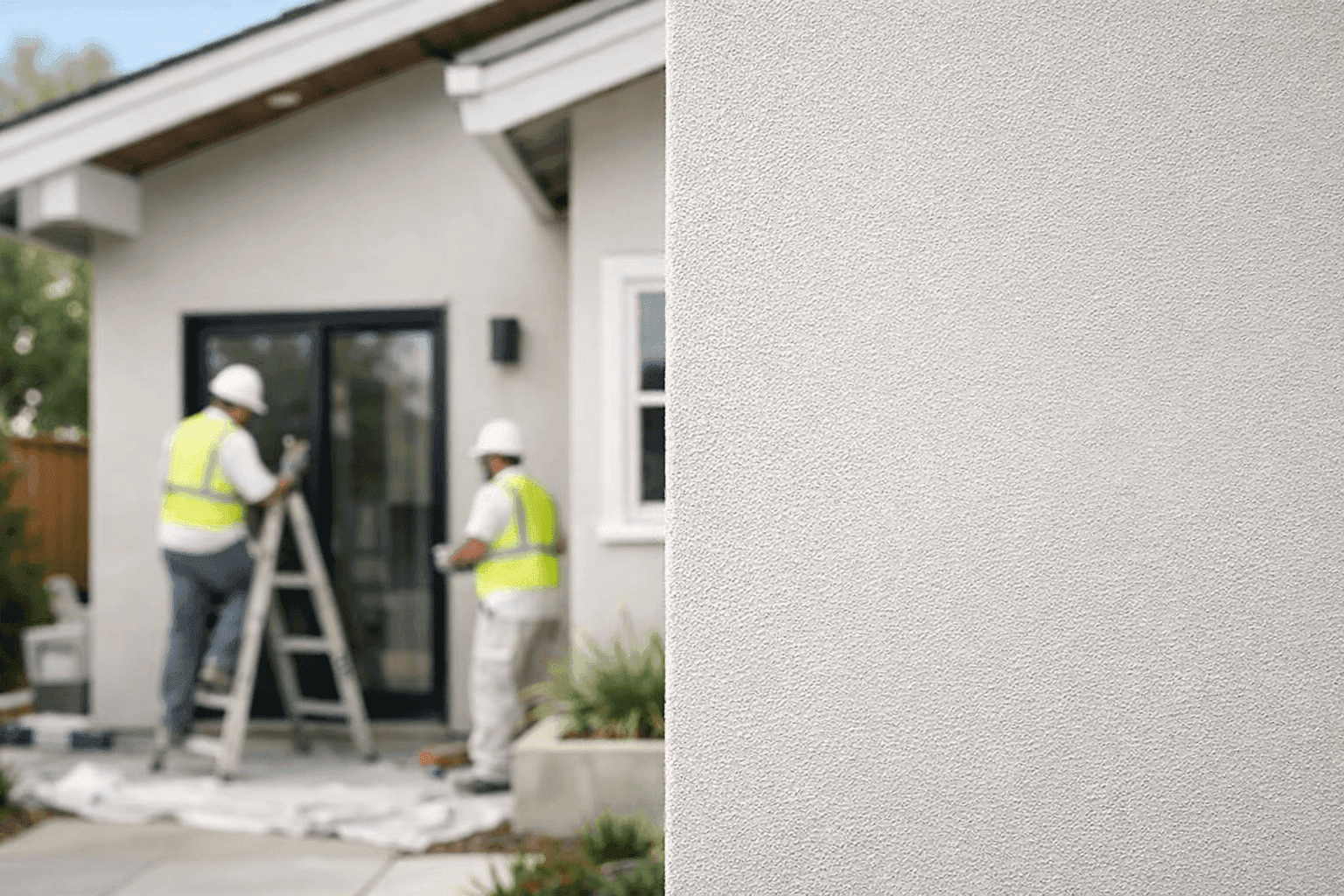
Choosing the right siding is a big deal—it's not just about curb appeal. It's about protection, value, and how your property stands up to the elements year after year.
Stucco siding has a reputation as both a classic and modern favorite. But is it the right match for your home or commercial building? Let’s break down the real-world pros and cons so you can make a choice that lasts.
Stucco Siding Overview: What Is It, Really? 🏠
Stucco is like the chameleon of the siding world. At its core, it’s a blend of cement, sand, lime, and water—troweled and layered to create a seamless look.
It’s been around for centuries, gracing Mediterranean villas and Southwestern homes alike. Today, it’s as likely to show up on a sleek commercial building as it is on a cozy bungalow.
But stucco isn’t paint. It’s a solid shell, applied in coats, and once it sets, it’s tough. Still, like anything, it’s got strengths and weak spots.
The Standout Benefits of Stucco Siding
Why do so many homeowners and property managers choose stucco? Let’s look at what sets it apart:
- Fire Resistance: Stucco is like a firefighter’s shield for your walls. Cement-based materials don’t burn, making stucco an excellent choice for areas with wildfire risk or dense neighborhoods.
- Design Flexibility: Want smooth, rough, swirled, or patterned? Stucco is art you live in. It adapts to classic, modern, or anything in between—and it takes color well.
- Longevity: When installed and cared for properly, stucco can last 50 years or more. It’s the marathon runner of siding options.
- Sound Insulation: Stucco helps hush the outside world—a plus for busy streets or commercial zones.
- Energy Efficiency: Stucco can be paired with insulation to help stabilize indoor temps, cutting down on heating and cooling costs.
The Drawbacks: Stucco’s Achilles’ Heel
No siding is perfect. Stucco has its fair share of challenges:
- Cracking: Think of stucco like a pie crust—it’s tough, but it can crack under pressure or movement. Small cracks are common; big ones spell trouble.
- Moisture Worries: In humid climates or places with driving rain, water can sneak behind stucco. Left unchecked, this can lead to rot or mold.
- Repair Difficulty: Fixing stucco isn’t as simple as patching a pothole. Repairs require matching texture and color—sometimes a true art form.
- Installation Skill: Quality matters. Bad installation leads to problems down the road, from bulging walls to hidden leaks.
Ideal Environments for Stucco Siding
Stucco shines brightest in certain settings:
- Dry, Warm Climates: Think Southwest, West Coast, or arid Midwest—places where rain is rare and temperature swings are gentle.
- Commercial Buildings: Stucco’s sound resistance and fire safety make it popular for offices, schools, and retail spaces. For business owners considering commercial siding, stucco can be a smart, stylish option.
- Homes with Good Drainage: If your property has solid gutters, sloped landscaping, and isn’t prone to standing water, stucco is less likely to struggle.
Stucco and Building Codes: What You Need to Know
Before you commit, check local building codes. Stucco might require special moisture barriers, weep screeds, or flashings (per International Building Code guidelines). If you’re unsure, a siding material consultation with a pro can help you navigate requirements and best practices.
How Stucco Siding Is Installed
Installing stucco is like baking bread: timing, temperature, and technique matter.
- First, a weather-resistant barrier is attached to the sheathing.
- Next, a metal lath (think of it like chicken wire) provides grip.
- Then, the stucco mixture is applied in three coats—scratch, brown, and finish—each one curing before the next.
It’s labor-intensive, but the result is a seamless shell that hugs every corner.
Maintenance: Keeping Stucco Strong 💡
Stucco isn’t “set it and forget it.” Like a classic car, it needs attention:
- Inspect annually: Look for cracks, stains, or bulges.
- Clean gently: Use a garden hose or soft brush. Pressure washers can damage the surface.
- Seal and caulk: Pay special attention to joints and windows to keep moisture out.
- Repaint: Fresh paint every 7–10 years helps keep stucco looking sharp and adds an extra weather barrier.
Common Signs of Trouble
Watch for these red flags:
- Hairline cracks: Usually cosmetic, but monitor for spreading.
- Discoloration: Stains may signal trapped moisture.
- Soft spots: Push gently—spongy areas can mean water damage beneath.
- Efflorescence: White powdery residue is a sign water is seeping through.
If you spot these issues, early repair prevents bigger headaches.
Repairing Stucco: DIY or Call a Pro?
Small cracks (under 1/8 inch) can be filled with exterior caulk. For larger gaps, deep cracks, or widespread discoloration, it’s smart to call in a siding specialist.
Matching stucco color and texture is tricky—like trying to patch a quilt with fabric from another era. A pro can blend repairs so they’re nearly invisible.
Costs and Time Factors
Stucco installation costs vary by region, wall complexity, and finish. It’s generally more affordable than stone, but pricier than vinyl. Repairs can be time-consuming, especially if water damage is involved.
Factor in labor, materials, and potential for disruption (sections of wall may need to be opened for inspection and repair).
When Stucco Siding Becomes an Emergency
Severe cracks, bulging walls, or sudden leaks after storms? That’s a red flag. In these cases, urgent repair is needed to avoid structural issues. Storm damage is no joke—quick action saves money and stress.
Seasonal Considerations for Stucco Siding
- Cold Winters: Freeze-thaw cycles can worsen cracks. Inspect in spring and fall.
- Wet Seasons: Check caulking and flashing before heavy rains.
- Hot Summers: Stucco stands up well to heat, but direct sun can fade colors over time.
Prevention & Longevity Tips
- Install Proper Drainage: Gutters, downspouts, and sloped landscaping keep water away.
- Choose the Right Paint: Use breathable, exterior-grade paint to let stucco “breathe.”
- Schedule Inspections: Annual siding checkups spot early warning signs.
- Ventilation Matters: Good airflow in attics and eaves helps prevent moisture buildup behind walls.
Frequently Asked Questions
Q: Can stucco be installed over old siding?
A: Sometimes, but usually the old siding is removed. This ensures a solid, long-lasting surface.
Q: How long does stucco last?
A: With proper care, 50+ years. Maintenance is key.
Q: Is stucco siding good for new construction?
A: Absolutely. Many builders choose stucco for its clean lines and durability. If you're looking for New Construction Siding near you in Minneapolis, stucco is a smart contender.
Is Stucco Siding Right for You?
It comes down to your climate, property type, and how much maintenance you’re willing to do. In the right environment, stucco is beautiful, tough, and cost-effective. In wet or shifting climates, it needs extra care and professional installation.
Think of stucco as a well-made suit: tailored right, it fits beautifully and lasts. Cut corners, and you’ll notice the flaws.
Call J.B. Siding now — or reach us anytime at 855-598-5177 .