The Best Siding for High-Wind and Storm-Prone Areas
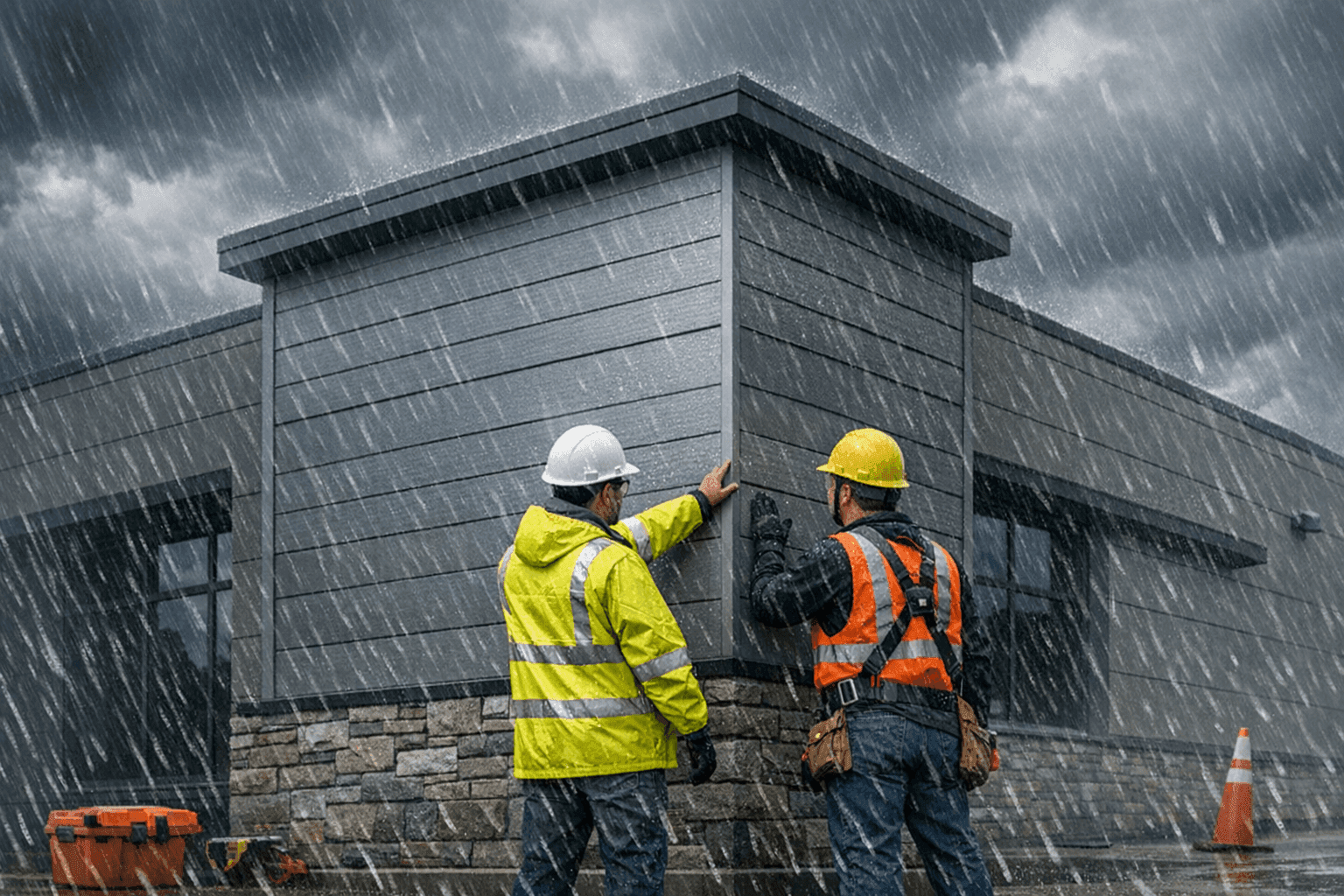
When storms roll in, siding becomes your building’s first line of defense. If you’ve weathered a few wild nights with rattling windows and debris slamming against the walls, you know: not all siding is equal. Choosing the right exterior is like picking the right armor for battle.
At J.B. Siding, we’ve seen what fierce winds and flying branches can do. We’re here to help you pick siding that stands up—season after season.
Siding & Storm Resilience 🌪️
Storms hit hard. Wind, hail, and airborne debris test every inch of your home or business exterior. The wrong siding splits or blows free; the right siding holds. It’s not just about looks. It’s about safety, insurance, and peace of mind.
Building codes—like those set by the International Building Code (IBC)—set minimum standards for wind and impact resistance in storm zones. But not all materials are built the same.
Top Material Choices for Storm-Exposed Buildings
Let’s break down the four most trusted siding options for high-wind and storm-prone areas:
Fiber Cement: The Strong, Silent Type
Fiber cement siding is the heavyweight champion in storm zones. Made from cement, sand, and cellulose fibers, it laughs off hail and shrugs at flying debris. It resists moisture, won’t rot, and stands strong against winds up to 130 mph (when properly installed, per manufacturer specs).
- Fire-resistant and non-combustible.
- Available in many colors and textures.
- Requires professional installation.
Fiber cement’s density means it’s tough—not just in storms, but over decades.
Engineered Wood: Flexible and Fearless
Engineered wood siding combines wood fibers with resin. It delivers the warm look of real wood, with extra strength and water resistance baked in.
- Treated for fungal and termite resistance.
- Lighter weight than fiber cement.
- Needs regular sealing or painting.
While not as impact-hardy as fiber cement or metal, engineered wood outperforms traditional wood in storm conditions.
Metal Siding: Like a Steel Shield
Steel and aluminum siding don’t just look sharp—they’re built for battle. Metal siding sheds water, shrugs off hail, and resists wind-driven debris. Steel, especially, stands up to dents and dings.
- Impervious to rot, mold, and insect damage.
- Can be noisy in heavy rain (some prefer the sound).
- Requires corrosion-resistant coatings.
Properly installed, metal siding can last for decades with minimal fuss. Learn more about metal siding installation and benefits.
Impact-Rated Vinyl: Modern Protection
Today’s heavy-duty vinyl isn’t the brittle stuff from the ‘80s. Impact-rated vinyl siding is formulated to flex—not crack—under pressure.
- Affordable and widely available.
- Easy to replace individual panels after a storm.
- Can warp or fade if not UV-protected.
For homes where cost is a concern, impact-rated vinyl is a big step up from standard vinyl for storm resilience.
Installation for Durability: Where Storm Success Begins
Even the best siding fails if it’s installed poorly. Here’s what sets storm-ready siding apart:
- Reinforced fastening: Fasteners must penetrate solid framing, not just sheathing.
- Overlapping seams: Seams should be tight and staggered to block water and wind.
- Proper flashing: Around windows, doors, and at all wall intersections, flashing keeps water out.
- Code compliance: Always follow the latest local building codes for wind zones. FEMA and the IBC offer detailed guidelines.
- Professional crew: DIY installations often miss critical steps—especially with fiber cement or metal.
For commercial and residential projects, always choose New Construction Siding near you that meets or exceeds code.
Maintenance After Storms: Your Quick Recovery Plan 🧰
Even storm-tough siding needs a little TLC after the skies clear. Here’s how to keep your exterior strong:
- Inspect for damage: Look for cracks, dents, or loose panels. Check soffit, fascia, and trim, too.
- Clean debris: Remove branches and leaves. Clogged gutters can lead to water damage.
- Seal and caulk: Reapply caulk to any gaps or seams exposed by wind or debris.
- Touch up paint: For fiber cement and engineered wood, paint touch-ups seal out moisture.
- Schedule repairs fast: Small issues become big problems if ignored.
J.B. Siding offers storm damage repair services to get your building back in shape quickly.
Quick Safety Checklist
When storms are in the forecast, use this checklist:
- Secure loose items around your property.
- Trim trees and branches near buildings.
- Inspect siding and gutters for pre-existing issues.
- Make sure emergency numbers are handy.
If you suspect your siding is compromised, don’t wait for the next storm.
DIY or Call a Pro?
Some storm prep is DIY-friendly, like clearing gutters or trimming shrubs. But installing, repairing, or replacing storm-resistant siding is best left to the pros. Improper installation can void warranties and fail code inspections.
What the Pros Do on Arrival
When a siding specialist arrives after a storm, they:
- Assess damage up close and from a distance.
- Inspect hidden areas (under eaves, behind trim).
- Check flashing, insulation, and ventilation.
- Recommend repair or replacement options.
- Provide an estimate and timeline.
A professional’s trained eye can catch subtle signs of trouble that DIYers might miss.
Prevention & Maintenance: Build a Habit
Storm-resistant siding isn’t “set it and forget it.” Schedule annual inspections. Keep up with cleaning and caulking. Stay ahead of small problems, and your siding will protect you for years.
Costs and Time Factors
Upgrading to fiber cement, metal, or impact-rated vinyl costs more up front than basic siding. But the savings in repairs, insurance, and peace of mind add up fast. Professional installation shortens disruption and ensures code compliance. Most projects wrap up in days, not weeks.
When It’s an Emergency
If your siding is ripped away, water is pouring in, or you see deep cracks—call for Storm Damage Repair right away. Fast action prevents further damage and keeps your home or business safe.
Seasonal Considerations
Storm season brings unique risks. In spring and summer, hail and wind take the lead. In fall and winter, snow and ice test seams and fasteners. Choose siding with all-season durability. Schedule maintenance before the worst weather arrives.
Common Mistakes to Avoid
- Skimping on fasteners or flashing.
- Ignoring small cracks or dents.
- Choosing the cheapest siding material.
- Waiting too long after a storm to inspect and repair.
Cutting corners now can lead to costly repairs later.
Signs of Trouble
Watch for:
- Warping or bulging panels.
- Water stains inside or outside.
- Peeling paint or exposed seams.
- Whistling or rattling in strong winds.
Spot these early, and you can prevent major repairs.
Timeline & Disruption
A typical storm-resistant siding project, when done by professionals, is quick and coordinated. Expect minimal disruption. Crews work in sections, keeping your building protected as they go.
Siding Material Consultation: Make the Right Call
Still not sure which siding fits your needs? J.B. Siding can walk you through every option—from fiber cement to metal to impact-rated vinyl. We match materials to your building, your budget, and your region’s storm risks.
If you’re in the Triangle, see how our siding installation services in Durham deliver lasting protection and curb appeal for every property type.
Siding for High-Wind and Storm-Prone Areas: The Final Word
Your home or business deserves siding that holds strong—no matter the weather. With the right material, proper installation, and regular care, you can rest easy when the wind howls.
Call J.B. Siding now — or reach us anytime at 855-598-5177 .