The Benefits of Regular Siding Inspections
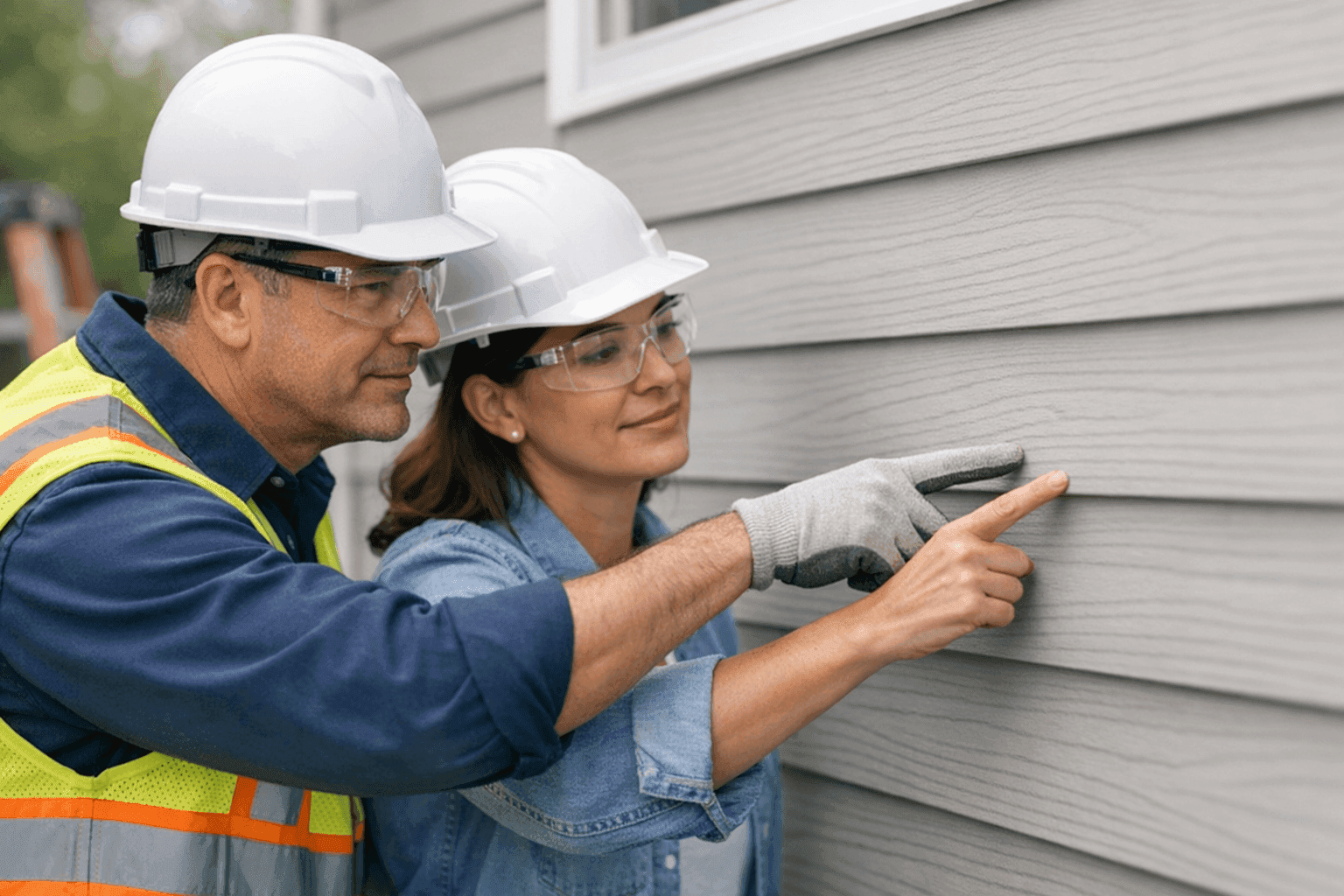
When was the last time you looked closely at your siding? For most, siding is “out of sight, out of mind”—until there’s a leak, a draft, or unsightly damage. At J.B. Siding, we know that regular inspections can make the difference between a quick fix and a costly overhaul.
Your siding is your home or business’s shield—the armor against weather, pests, and time. Protecting that shield starts with simply knowing what’s happening on your walls. Let’s explore why scheduled siding inspections are more important than most people realize.
Why Inspect Regularly? 🏠
Think of siding like your car’s brakes. You don’t wait for total failure to check them, right? Routine siding inspections catch small issues before they become big, expensive ones. Here’s why it matters:
- Early problem detection: Small cracks and gaps can quickly turn into water damage or mold.
- Maximize lifespan: Well-maintained siding can last for decades, saving you from premature replacements.
- Warranty compliance: Many manufacturers require regular inspections to keep your warranty valid (always check your paperwork!).
- Boost curb appeal and value: Clean, intact siding increases property value and makes a great first impression.
Skipping inspections is like ignoring the check engine light—problems rarely fix themselves.
What Inspections Find
A professional siding inspection isn’t just a quick glance. It’s a detective mission. Inspectors look for:
- Cracks, warping, or holes in panels
- Loose or missing pieces
- Signs of moisture intrusion (rot, bubbling paint, mildew)
- Damaged soffits, fascia, and trim
- Failing caulking or seals
- Gutter issues that affect siding
- Insect or rodent entry points
For commercial siding, inspectors also check compliance with fire and weather codes. The goal? Spot problems before they can spread.
How Often to Inspect
How often should you schedule a siding inspection? Most properties benefit from a professional check at least once a year. But consider these factors:
- Extreme weather: After hail, heavy storms, or wind events, schedule an extra inspection.
- Older siding: Materials over 15 years old need closer attention—twice per year is smart.
- Before selling or buying: Always inspect before a real estate transaction.
If you’ve just completed New Construction Siding near you, the first few years are critical—catching installation flaws early can save thousands.
What’s Included in a Siding Inspection
A thorough inspection isn’t just about the siding itself. Here’s what’s covered:
- Full review of siding materials (vinyl, fiber cement, wood, stucco, metal)
- Soffit and fascia check
- Gutter system evaluation
- Flashing and weatherproofing review
- Insulation performance (where accessible)
- Trim, molding, and caulking assessment
Inspectors use ladders, moisture meters, and sometimes thermal cameras to spot hidden trouble. You’ll get a written report with photos—no guesswork.
The Cost of Skipping Inspections
Delaying a siding inspection is like putting off a dentist visit. Small cavities turn into root canals. Left unchecked, minor siding damage can:
- Lead to structural rot
- Invite pests and mold
- Void your warranty
- Increase heating and cooling costs
A routine inspection is a small investment that protects you from big surprises.
Signs You Need an Inspection Now
Don’t wait for your yearly schedule if you notice:
- Sudden drafts inside or unexplained moisture
- Visible cracks, bulges, or missing sections
- Moldy or musty odors near walls
- Unexplained spikes in energy bills
Addressing these signs quickly can prevent costly repairs down the road.
DIY vs. Pro: When to Call J.B. Siding
Some homeowners like to walk their property and look for obvious damage. That’s great! But pros bring experience and tools to see what you might miss. If you spot anything suspicious, or haven’t had an inspection in over a year, call in the professionals.
DIY can catch surface issues. A professional siding inspection uncovers hidden risks and ensures nothing is overlooked.
What Pros Do On Arrival
When a J.B. Siding inspector arrives, they:
- Walk the full perimeter, top to bottom
- Examine each siding type and transition
- Check gutters, soffits, and fascia for leaks and decay
- Assess caulking, seals, and flashing
- Take photos and notes for your records
You get clear, prioritized recommendations—no guesswork.
Prevention & Siding Maintenance Tips
Between inspections, you can extend your siding’s life:
- Keep gutters clean and free of debris
- Trim shrubs and trees away from siding surfaces
- Wash siding gently with a hose each spring (avoid pressure washers unless siding is rated for it)
- Watch for nests or insect trails
If you see minor caulking gaps, address them quickly—or schedule a professional siding maintenance service.
Emergency Siding Situations
Sometimes, weather or accidents cause sudden, serious siding damage:
- Missing sections after a storm
- Major holes or cracks
- Water pouring behind siding
This isn’t a wait-and-see situation. Call for emergency siding services right away to limit further damage.
Common Mistakes Homeowners Make
- Ignoring small cracks (“It’s just cosmetic…”)
- Using harsh cleaners that strip siding protection
- Waiting until visible leaks before acting
- Not reading warranty requirements
- Overlooking trim, soffits, and gutter impact
Remember: a little attention now saves a lot of hassle later.
Seasonal Considerations
Different seasons bring unique challenges:
- Spring: Check for winter damage and start fresh with cleaning.
- Summer: Inspect after storms or extreme heat.
- Fall: Clear gutters and prep for cold weather.
- Winter: Watch for ice dams or snow buildup.
Scheduling an inspection with the seasons ensures your siding is always ready.
Timeline, Disruption, and What to Expect
Most siding inspections take 1-2 hours for an average home or small business. There’s minimal disruption—no need to move out or change your routine.
You’ll receive a report the same day, with clear next steps if repairs are needed. For larger properties or commercial siding, allow for extra time and a more detailed review.
Materials Matter: Why Material Type Impacts Inspections
Each siding material has quirks:
- Vinyl: Prone to cracks in cold and warping in heat.
- Wood: Needs extra attention for rot and pests.
- Fiber cement: Look for chipping and moisture absorption.
- Stucco: Watch for cracks and efflorescence.
- Metal: Check for rust and loose fasteners.
Our inspectors are trained on every material J.B. Siding installs, from fiber cement siding to eco-friendly options.
Siding Inspections and Your Home’s Value
Real estate pros agree: a well-maintained exterior is one of the first things buyers notice. Regular inspections and prompt repairs keep your home or business looking sharp—and can mean thousands more at resale.
For those considering upgrades or a full siding replacement in Charleston, an inspection is the first step to a high-value, worry-free result.
Siding Inspections: FAQ
Q: Do I need an inspection if my siding is new?
A: Yes. Even new installations can have hidden flaws or early wear—especially after storms.
Q: Can regular cleaning replace inspections?
A: No. Cleaning helps, but only a trained eye will spot deep or hidden issues.
Q: Will an inspection void my warranty?
A: Quite the opposite—most siding warranties require regular inspections for coverage.
Q: Is siding inspection expensive?
A: It’s affordable compared to the cost of major repairs or replacement.
Next Steps After Inspection
After your inspection, you’ll receive:
- A written report with photos
- A maintenance or repair plan (if needed)
- Answers to all your questions
If repairs are suggested, address them soon to avoid bigger problems. For ongoing peace of mind, consider scheduling annual reminders.
Your home or business deserves protection that lasts. Don’t wait for a problem—schedule your siding inspection with J.B. Siding today.
Call J.B. Siding now — or reach us anytime at 855-598-5177 .