Stucco Siding Installation: Classic Looks for Modern Homes
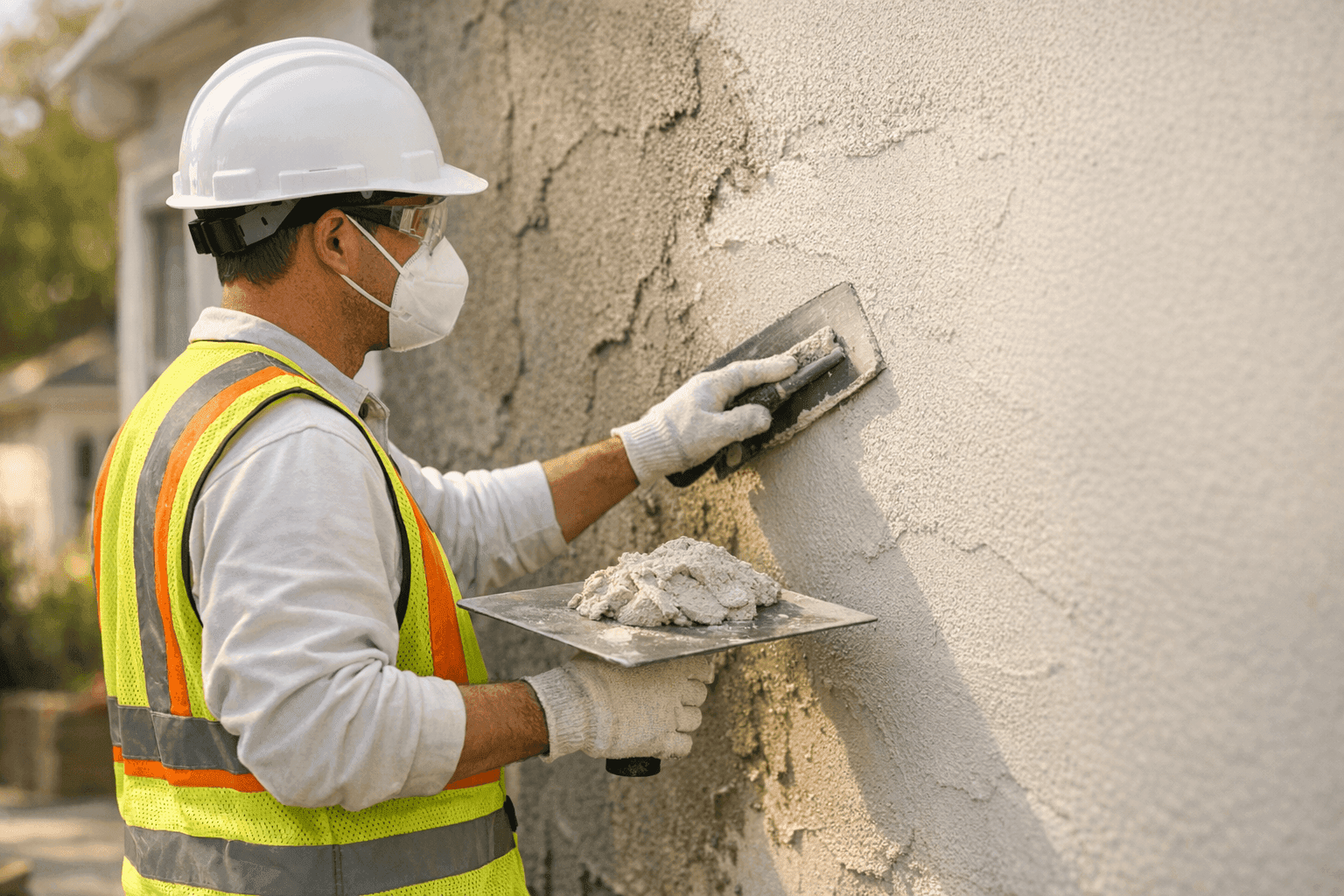
Stucco siding isn’t just a throwback to Spanish villas or Mediterranean mansions. More and more homeowners and businesses are turning to stucco for its classic charm—paired with modern resilience. But getting that timeless look? It’s trickier than it seems. A smooth, seamless finish can turn heads. A rushed job can lead to cracks, headaches, and costly fixes.
At J.B. Siding, we see far too many buildings where good intentions met poor technique. If you’re thinking about new construction siding near you, or just considering a fresh start for your exterior, it pays to know exactly what goes into stucco siding installation—and why expert hands make all the difference.
What is Stucco Siding? 🏠
Stucco siding is a cement-based exterior finish, applied in layers to form a durable skin around your building. Picture a cake with multiple layers: scratch coat, brown coat, and finish coat. Each has a job, and together, they create a strong, weather-resistant shell that can last for decades.
- Materials: A blend of cement, sand, lime, and water. Sometimes, acrylics or fibers are added for flexibility and strength.
- Finishes: Smooth, textured, swirled, or even pebble-dashed. You can go simple or bold.
- Color options: From sun-bleached white to deep terracotta—stucco is tinted in the mix or painted after curing.
What makes stucco stand out? Its ability to wrap a home in timeless style while standing up to weather, pests, and time itself.
Modern Stucco Benefits
Stucco may look old-school, but it’s packed with advantages for today’s homes and businesses:
- Energy Efficiency: Acts like a cozy blanket, helping insulate against heat and cold.
- Fire Resistance: Non-combustible, meeting many fire code standards (see International Building Code for reference).
- Custom Looks: Works with nearly any architectural style—from craftsman cottages to modern offices.
- Low Maintenance: Resists rot, insects, and warping.
- Sound Dampening: Quiets street noise and echoes.
Whether you’re planning residential siding or a commercial facade, stucco delivers both performance and curb appeal.
The Stucco Siding Installation Process
Installing stucco siding is part skill, part art. Here’s how the process unfolds at J.B. Siding:
1. Surface Prep
We start with a clean, stable base—usually sheathing covered with a weather-resistant barrier. Metal lath or mesh is fastened securely, giving the stucco something to grip.
2. Scratch Coat
A rough first layer. We trowel on the mix, then score it with horizontal lines (like raking a Zen garden). This helps the next layer stick.
3. Brown Coat
Smoother, thicker, and leveled. This layer gets floated flat, filling in every dip and corner.
4. Finish Coat
The fun part: texture and color. Swirls, stucco dash, smooth trowel—whatever finish you choose. Some folks opt for integral color (mixed in), some prefer painting after.
5. Cure and Inspect
Stucco needs time to cure—usually a few weeks. We monitor moisture, check for shrinkage cracks, and address any issues before calling the job done.
Safety Checklist for Stucco Siding Projects
Stucco work means handling heavy materials, sharp tools, and sometimes scaffolding. Here’s what we do to keep everyone safe:
- Wear N95 masks when mixing or sanding (silica dust is no joke).
- Use gloves, goggles, and long sleeves.
- Set up scaffolding on level ground with proper bracing.
- Check weather—avoid freezing temps or blazing sun during curing.
Following OSHA guidelines ensures a safe and efficient job site.
DIY vs. Professional Stucco Installation
Tempted to try stucco yourself? It’s a bit like baking a soufflé: one wrong move and the whole thing can collapse.
DIY risks:
- Improper mixing leads to weak, crumbly walls.
- Rushed layering causes cracks or delamination.
- Missed flashing or venting leads to trapped moisture and mold.
What professionals bring:
- Years of hands-on experience.
- Knowledge of local codes and climate challenges.
- The right tools for a flawless finish.
Stucco is unforgiving. If you want lasting results, professional application is worth every penny.
Siding Material Consultation: Picking the Right Stucco Mix
Not all stucco is created equal. Factors like climate, building codes, and desired finish all play a role. At J.B. Siding, our siding material consultation helps you weigh options like:
- Traditional vs. synthetic stucco: Synthetic (EIFS) offers added flexibility and insulation.
- Acrylic additives: Boost crack resistance and color retention.
- Mesh types: Galvanized metal for strength, fiberglass for lighter applications.
Getting the mix right is the first step to a beautiful, durable exterior.
Signs of Stucco Trouble
Even the best stucco needs a watchful eye. Watch for:
- Cracking: Thin hairlines are normal; wide cracks signal movement or water issues.
- Stains: Rust or dark streaks can mean hidden leaks.
- Bulging or soft spots: Moisture trapped behind the wall.
Spot something off? Early intervention can save you major repairs down the road.
Maintenance and Repairs
Stucco isn’t maintenance-free, but it’s close. Here’s how to keep it looking sharp:
- Annual inspections: Check for cracks, chips, and water damage.
- Gentle cleaning: Use a hose or soft-bristle brush—no pressure washers.
- Quick repairs: Fill small cracks with stucco patch; replace damaged sections promptly.
- Repainting: If your finish is painted, plan to repaint every 7–10 years.
For bigger repairs, contact a pro. Matching textures and colors is trickier than it looks.
Common Mistakes to Avoid 🚫
Stucco siding done wrong can turn a dream home into a headache. Here’s where projects often go sideways:
- Skipping surface prep: A dirty or unstable base means stucco won’t bond.
- Thin or uneven layers: Leads to weak spots and visible seams.
- Poor curing: Rushing the process causes premature cracking.
- Ignoring flashing and drainage: Water behind stucco is a recipe for disaster.
- DIY color mixing: Inconsistent shades, unsightly patches.
A little patience—and a lot of attention to detail—makes all the difference.
Preventing Moisture Problems
Moisture is stucco’s worst enemy. Here’s how we keep homes safe and dry:
- Proper flashing: Around windows, doors, and eaves.
- Continuous weather barriers: Behind stucco, to shed water.
- Weep screeds: Let trapped moisture escape at the base.
The International Residential Code (IRC) spells out best practices—following these isn’t optional; it’s essential.
Siding Replacement: When Is It Time?
Sometimes, patching isn’t enough. If you see widespread cracks, bulging, or signs of water intrusion, it might be time for a full siding replacement. Our team can assess the damage and recommend the best path forward, whether it’s a targeted repair or a total facelift.
Timeline and Disruption
Stucco siding isn’t a “one-and-done” weekend job. Here’s a typical timeline:
- Prep and lath: 1–2 days
- Scratch coat: 1 day, then cure for 2 days
- Brown coat: 1 day, then cure for 5–7 days
- Finish coat: 1 day, then final cure
Plan on some noise, dust, and the occasional curious neighbor. But when it’s done right, the results are worth every minute.
Siding and Curb Appeal in Every Season
Stucco shines year-round. In summer, it reflects heat and stays cool to the touch. In winter, it helps lock in warmth. That’s why so many property owners searching for a siding contractor in Shoreline choose stucco for both looks and lasting performance.
Practical Tips for Homeowners
- Schedule stucco work during mild weather for best results.
- Ask for samples of textures and colors before committing.
- Insist on a written scope of work and timeline.
- Request a walkthrough after curing to spot any issues early.
Frequently Asked Questions
How long does stucco siding last?
With proper care, 50–80 years isn’t unusual.
Can you stucco over old siding?
In some cases, yes. But the old surface must be stable, clean, and able to support the weight.
Is stucco eco-friendly?
Traditional stucco uses natural materials; synthetic options can boost energy efficiency.
When to Call for Emergency Siding Services
Major cracks after a storm? Sudden bulging or water stains? Don’t wait—these can signal structural issues. Emergency siding services can stabilize the situation and prevent further damage.
The Value of Experienced Application
Stucco siding is more than just a pretty face. When installed with precision, it shields your home from the elements and adds instant appeal. But shortcuts, inexperience, or rushing the process can lead to years of headaches.
At J.B. Siding, every project gets the care and attention it deserves—from first consultation to final inspection. Let’s make your home or business the envy of the block.
Call J.B. Siding now — or reach us anytime at 855-598-5177 .