How to Spot Early Signs of Siding Damage
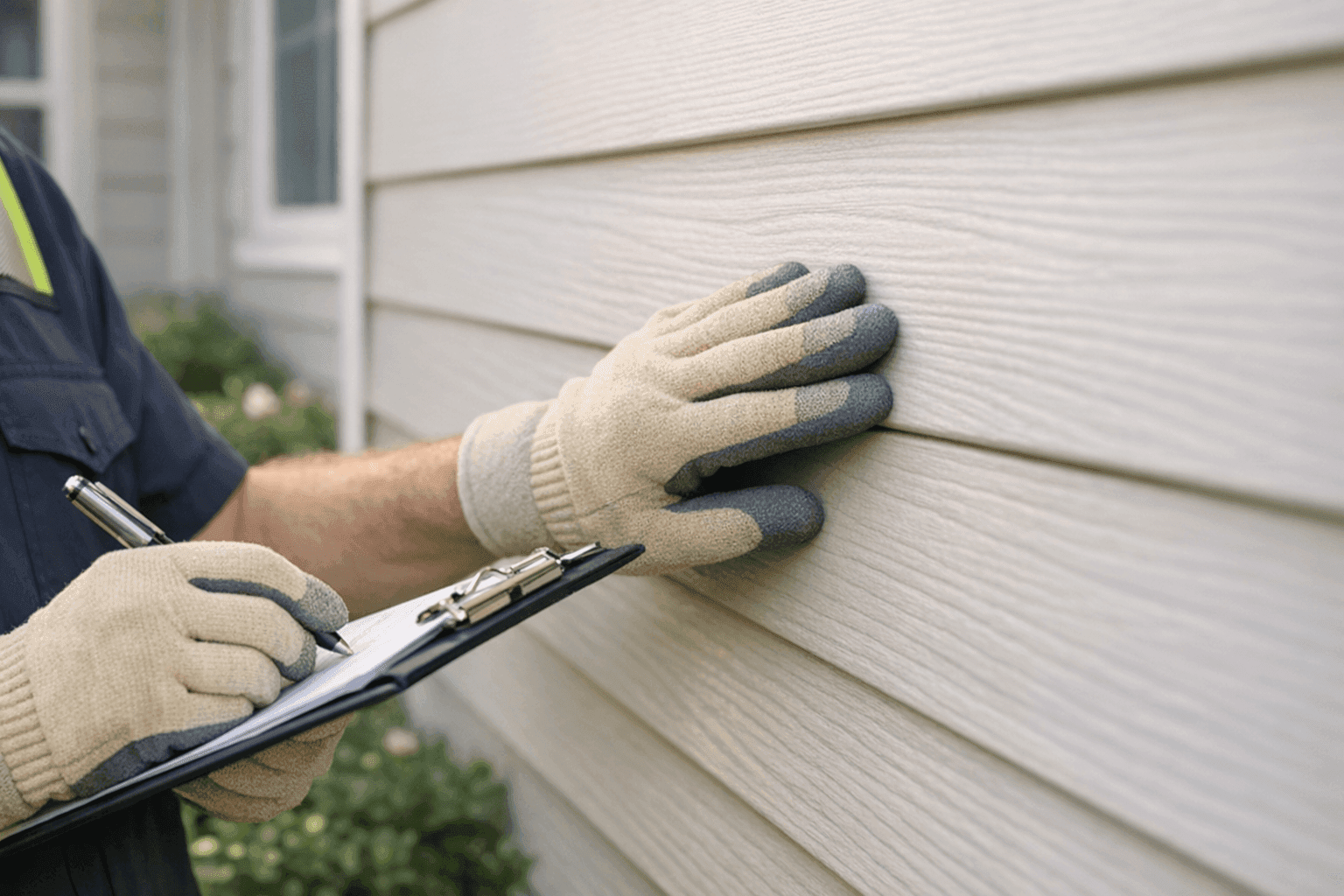
Every home and business owner wants their building to look sharp and stay protected. But siding doesn’t always shout when it’s in trouble. Sometimes, the warning is a whisper—a small crack, a spot of mold, a panel that’s just a little loose. Ignore these early signs, and that whisper can quickly become a costly shout.
At J.B. Siding, we know that paying attention to the little things now saves you big headaches later. Whether your property is brand new or has stood through many seasons, knowing how to spot siding damage early is your best line of defense.
Why Catching Siding Damage Early Matters 🕒
Think of your siding as the skin of your house. Tiny wounds left untreated can grow into big problems—moisture leaks, energy loss, or even structural headaches. Acting early helps you:
- Avoid expensive repairs by fixing issues while they’re small
- Protect your home or business from water damage and pests
- Preserve curb appeal and property value
Industry standards, like those recommended by the International Association of Certified Home Inspectors (InterNACHI), stress routine siding checks as a key part of building maintenance.
Visual Clues of Siding Wear
You don’t need a magnifying glass. Just a sharp eye and a few minutes. Here are the most common warning signs to watch for:
- Cracks and Splits: Even hairline cracks can let in water.
- Warping or Bulging: Siding should sit flat. Warping is a red flag.
- Loose or Missing Panels: Especially after storms or high winds.
- Fading or Chalkiness: UV light can break down siding color and texture.
- Mold, Mildew, or Green Growth: These spell trapped moisture.
- Peeling Paint or Blistering: Can signal water trapped behind panels.
- Nail Pops: Fasteners sticking out can mean shifting or settling beneath.
Seasonal shifts—like freeze/thaw cycles or heavy rains—can accelerate this kind of damage. After any major weather event, take a slow lap around your property.
Common Causes of Siding Problems
Understanding why siding fails helps you prevent it. Some usual suspects:
- Severe Weather: Hail, wind, and storms can dent or dislodge panels.
- Poor Installation: Even the best siding underperforms if installed wrong.
- Age: All materials have a lifespan—wood, vinyl, metal, and fiber cement each wear in their own way.
- Moisture Intrusion: Gutters that don’t drain, or missing flashing, invite rot and mold.
- Pests: Woodpeckers, termites, and carpenter ants love neglected siding.
- Improper Maintenance: Skipping cleaning or caulking can let cracks grow unchecked.
DIY Siding Inspection Steps
You don’t need a contractor’s toolkit for a basic siding check. Use these simple steps:
- Walk the Perimeter: Start at ground level and scan upward.
- Look for Gaps: Pay attention to seams, especially at corners and around windows.
- Press Gently: Siding should feel solid, not spongy or loose.
- Check Under Eaves: Soffit and fascia are common trouble spots.
- Inspect After Storms: High winds, hail, or heavy snow can do immediate damage.
- Use a Flashlight: Shine it along the surface to spot unevenness or warping.
- Note Odd Smells: A musty odor can be your first clue to hidden mold.
If you spot small issues—like a popped nail or a patch of mildew—jot them down. Early notes help you track changes over time.
When to Call a Professional 🛠️
Some fixes are weekend projects. Others, not so much. If you see:
- Large cracks or holes
- Major warping or sections pulling away from the wall
- Signs of rot, especially around windows or doors
- Persistent leaks or water stains inside the building
- Unexplained spikes in energy bills
…it’s time to call in a siding specialist. Professionals follow inspection protocols set by groups like the National Association of Home Builders (NAHB) to ensure no underlying issue goes unnoticed.
If you’re planning a new build or major renovation, our New Construction Siding service ensures protection from the start.
Quick Safety Checklist for DIY Inspections
- Don’t use ladders in wet or icy conditions
- Wear gloves—siding edges can be sharp
- Avoid standing directly below loose panels
- If you notice structural concerns, step back and call a pro
Safety first. Always.
Siding Trouble After Storms
Storms are notorious for creating siding problems overnight. After high winds, hail, or heavy snow, check for:
- Dents and chips (especially in metal and vinyl)
- Dislodged or missing panels
- Water stains near seams
If you’re in an area with frequent temp swings, freeze/thaw cycles can force water into cracks and make them worse. Inspect after each major event.
Common Mistakes Homeowners Make
A few missteps can turn minor damage into a major headache:
- Ignoring small cracks or spots, hoping they’ll go away
- Power washing at too high a pressure, which can force water behind siding
- Using silicone caulk on wood siding (it needs to breathe)
- Painting over mold or mildew without cleaning
A little knowledge goes a long way. If you’re unsure, it’s always better to ask than guess.
Prevention & Siding Maintenance Tips 🧰
Good maintenance keeps siding strong for years. Here’s what helps:
- Clean Siding Annually: Use a soft brush and mild soap.
- Inspect Caulking: Focus on seams and around doors/windows.
- Trim Back Trees and Bushes: Plants against siding trap moisture.
- Check Gutters and Downspouts: Make sure water flows away from your home.
- Repaint or Reseal as Needed: Especially for wood and fiber cement.
Want help with upkeep? We offer Siding Maintenance services to take it off your plate.
How Siding Pros Approach Inspections
When a J.B. Siding technician arrives, they:
- Review your notes and any history of previous repairs
- Use moisture meters to check for hidden leaks
- Inspect flashing, soffit, and fascia for proper installation
- Examine joints, trim, and caulking for gaps or failures
- Provide a detailed report with photos and repair recommendations
Following these industry best practices ensures nothing gets missed.
FAQ: Siding Damage Questions We Hear Most
Q: How often should I check my siding?
A: Twice a year—spring and fall—or after any major storm.
Q: Can I repair small cracks myself?
A: Small cracks in vinyl or caulked joints can often be DIY. But larger gaps, warping, or anything involving rot should be handled by a professional.
Q: What’s the average life of siding?
A: Vinyl can last 20–40 years. Wood, fiber cement, and metal each have their own life spans, often affected by weather and care.
Q: How do I know if I need new siding, or just a repair?
A: If damage is widespread or there’s evidence of moisture inside, replacement may be best. For isolated issues, repairs can often extend siding life.
Materials Matter: How Siding Types Show Damage
- Vinyl: Look for warping, cracks, and fading.
- Wood: Be alert for rot, splitting, and pest holes.
- Fiber Cement: Watch for chipping and moisture stains.
- Metal: Dents, rust spots, and loose fasteners are common.
Each material has its own quirks, so tailor your inspection to your siding type.
Timeline & Disruption: What to Expect with Repairs
Most minor repairs can be done in a day or less. Larger fixes or full replacements can take several days, especially in tough weather. Expect some noise and dust—but professional crews will keep the mess to a minimum.
When It’s a Siding Emergency 🚨
Some signs mean you shouldn’t wait:
- Water actively leaking inside
- Large sections of siding blown off or missing
- Severe storm or fire damage
In these cases, call for Emergency Siding Services right away.
Siding and Energy Costs: The Hidden Connection
Compromised siding can let drafts creep in and drive up your energy bills. Insulation gaps, leaks, or poor caulking all add up. A quick siding check can pay off on your next utility statement.
Seasonal Siding Care
- Spring: Inspect for winter damage—look for splits from freeze/thaw.
- Summer: Check for sun fading or paint blistering.
- Fall: Clean out gutters, check caulking before wet weather sets in.
- Winter: Stay alert for ice dams or snow buildup against siding.
These habits keep your siding strong through every season.
Ready for a Closer Look?
If you notice any early warning signs, don’t wait. Small problems turn into big expenses faster than you think. Our Leesburg siding professionals are ready to help with siding inspections and repairs on any property type—residential or commercial.
Call J.B. Siding now — or reach us anytime at 855-598-5177 .