Soffit and Fascia: What They Are and Why They Matter
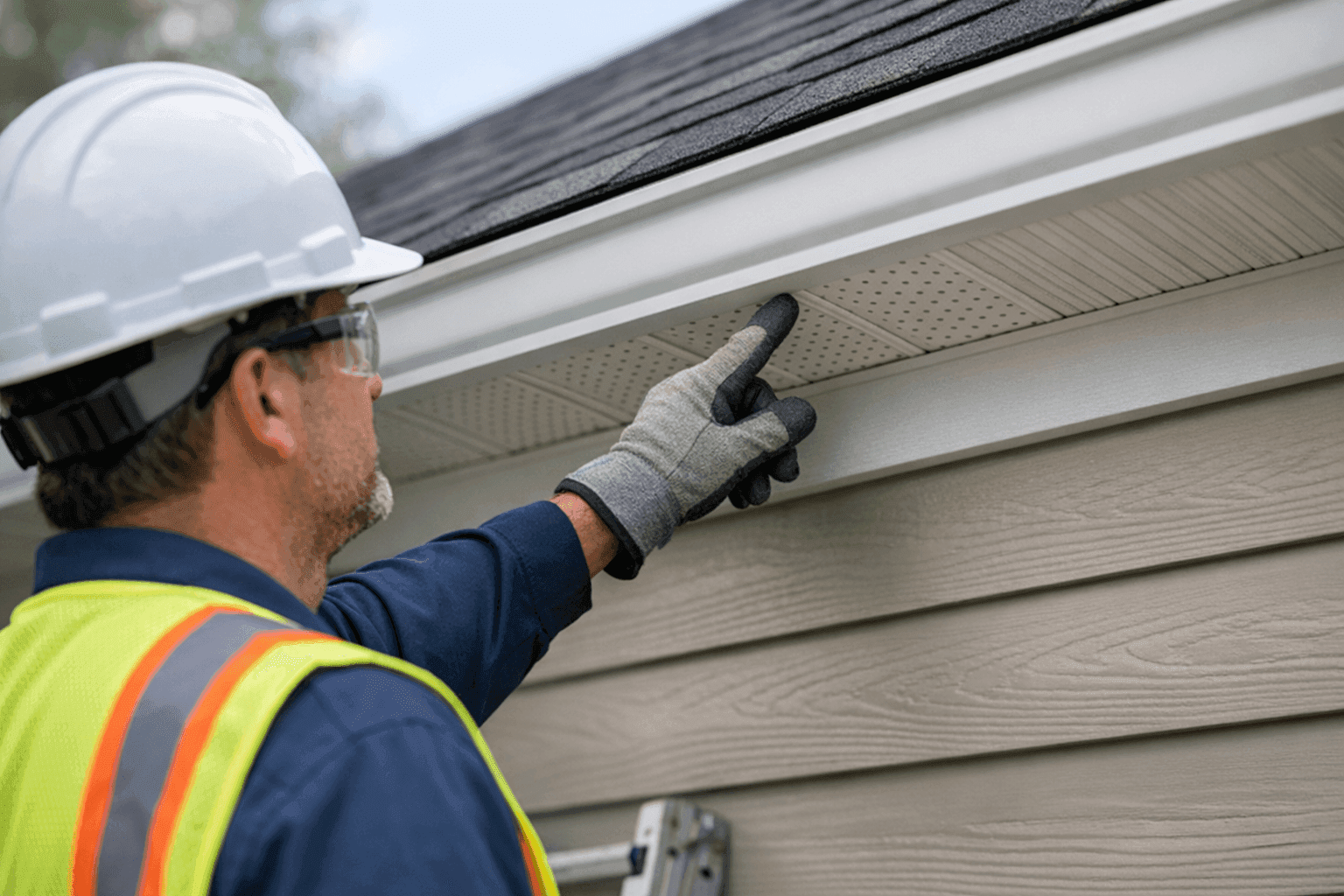
When you look at your home or business, it’s easy to focus on the big picture—windows, doors, the color of your siding. But have you ever noticed the narrow bands beneath the eaves or the trim running along the roof’s edge? These are your soffit and fascia. They’re like the unsung heroes of your building’s armor, quietly protecting what matters most.
Ignoring these features is like leaving your front door unlocked during a storm. Water, pests, and even mold can sneak in under the radar. At J.B. Siding, we know how these details make the difference between a reliable siding system and costly repairs down the road.
What is Soffit? 🏠
Picture the overhang of your roof. Now look up underneath it. That flat or vented surface you see is the soffit. It’s more than just a finishing touch—it acts as a shield and a set of lungs for your attic.
Soffit panels are typically made from vinyl, aluminum, or fiber cement. They’re designed to:
- Protect rafters from rain and snow
- Allow air to flow into the attic, reducing heat and moisture buildup
- Keep critters and insects from sneaking into your home
Without soffit, your attic becomes a hot, damp cave. That’s a recipe for mold, mildew, and wood rot.
What is Fascia? 🛡️
Move your eyes to the trim board running along the roof’s edge—right where the gutters attach. This is the fascia. Think of it as the sturdy belt that holds everything in place.
Fascia boards:
- Give gutters a secure anchor
- Block wind and rain from getting under your roof
- Provide a crisp, finished look to your siding system
Fascia isn’t just for looks. When it’s damaged or missing, water can seep behind your siding and trigger a cascade of structural issues.
Their Role in Home Protection
Soffit and fascia work together like a dynamic duo. Soffit lets your building breathe, while fascia keeps the weather out. When both are installed and maintained, they:
- Prevent water from creeping into roof and wall cavities
- Reduce the risk of ice dams and moisture damage
- Promote healthy attic ventilation, which keeps energy bills in check
The International Residential Code (IRC) highlights the importance of proper roof ventilation and water control. A well-maintained soffit and fascia system helps you meet these standards, protecting both your investment and your peace of mind.
Why You Can’t Ignore Soffit and Fascia
Out of sight, out of mind? Not with these two. Overlooking soffit and fascia is like forgetting to zip up your raincoat.
When soffit or fascia fails, you might notice:
- Peeling paint or water stains on exterior walls
- Dripping gutters or sagging rooflines
- Rusty nails or visible gaps along the roof edge
These aren’t just cosmetic issues—they’re warning lights on your siding dashboard.
Signs of Damage: What to Watch For
Every season brings its own set of challenges. After a storm or heavy winds, do a quick walkaround. Look for:
- Cracks, holes, or missing panels
- Warped or rotted wood
- Animal nests or insect activity
- Mold or mildew growth
If you see any of these, it’s time to act before minor damage turns into a major headache.
What Causes Soffit and Fascia Problems?
Mother Nature is the usual culprit. Ice, snow, and rain can erode paint, warp boards, and sneak water into hidden spaces. But there are other causes too:
- Gutters clogged with leaves or debris
- Poor attic ventilation
- Improper installation during New Construction Siding projects
- Nesting birds or rodents
Prevention is key. Regular cleaning and inspection can stop most problems before they start.
Quick Safety Checklist for Homeowners
Before you grab a ladder, keep these safety tips in mind:
- Never work alone, especially on uneven ground
- Use a sturdy ladder and keep it away from overhead wires
- Wear gloves and eye protection when cleaning or inspecting
- If you’re unsure, call a professional
Remember, soffit and fascia are often higher than they look. Don’t risk a fall for a quick peek.
DIY vs. Call a Pro
Some tasks, like cleaning out gutters or a gentle rinse, are safe for most property owners. But when it comes to:
- Replacing panels
- Repairing rot or leaks
- Installing new ventilation
It’s smart to hire a specialist. Improper repairs can lead to bigger issues, like hidden water damage or voided warranties.
Our soffit and fascia installation and soffit and fascia repair services are designed for both residential and commercial buildings, so you get peace of mind—without the guesswork.
What Pros Do On Arrival
When J.B. Siding arrives, we don’t just look at the surface. Our process includes:
- Full exterior inspection, including hidden and hard-to-reach areas
- Moisture and ventilation checks (referencing local building codes)
- Detailed recommendations for repair, replacement, or upgrades
- Color and material consultations for a seamless match
We also document everything, so you have a clear record for future siding warranty services.
Prevention & Maintenance Tips
A little attention goes a long way. Here’s how to keep soffit and fascia in top shape:
- Clean gutters twice a year (spring and fall)
- Trim back trees and shrubs to prevent moisture buildup
- Inspect after severe weather for signs of movement or wear
- Schedule a siding inspection annually, especially if your building is older
Routine care keeps repairs small and affordable.
Costs & Time Factors
The price of repair or replacement depends on:
- Material (vinyl, wood, aluminum, fiber cement)
- Extent of the damage
- Accessibility and height of your roofline
Most minor repairs can be finished in a day. Full replacements or upgrades may take several days, depending on the size of your property. Investing in quality now means fewer surprises later.
When It’s an Emergency
Some situations need immediate attention:
- Storm damage with exposed wood or missing panels
- Water actively leaking into your attic or walls
- Sagging gutters threatening to detach
If you spot any of these, call for emergency siding services right away to prevent structural issues.
Seasonal Considerations
Winter ice, spring rain, and summer heat each pose unique threats. In colder climates, ice dams can push water up under the fascia. Spring storms may loosen soffit panels. Summer’s humidity can invite mold. Plan inspections at the start of each season for peace of mind.
Common Mistakes to Avoid
- Ignoring small cracks or peeling paint
- Using incompatible materials during repairs
- Blocking attic vents with insulation
- Failing to anchor gutters to solid fascia boards
Mistakes like these can add up—fast. When in doubt, consult a siding professional.
FAQ: Soffit and Fascia
Q: Can I paint my soffit and fascia?
Yes, but choose weather-resistant paint and follow the manufacturer’s prep guidelines.
Q: How often should soffit and fascia be replaced?
With proper care, soffit and fascia can last decades. Replace when you see rot, warping, or persistent leaks.
Q: Do I need ventilation in my soffit?
Absolutely. Adequate airflow prevents moisture buildup and meets building code requirements.
Timeline & Disruption
Most repairs or replacements are minimally disruptive. You may hear some hammering, but access is usually limited to the roofline. We coordinate with you to minimize hassle, especially on commercial properties.
Materials & Equipment
From classic wood to low-maintenance vinyl and modern aluminum, each soffit and fascia material has its strengths. The right choice depends on climate, aesthetic, and budget. Our team brings the right tools—and the know-how—to every job.
Why J.B. Siding Values the Details
At J.B. Siding, we treat your property like our own. Whether you’re planning a New Construction Siding project or updating a historic home, soffit and fascia aren’t just finishing touches—they’re essential parts of your siding’s defense system. We serve both residential and commercial needs, with solutions tailored to stand the test of time.
Looking for New Construction Siding near you? Our team is ready to help you protect and beautify your property.
Call J.B. Siding now — or reach us anytime at 855-598-5177 .