Signs Your Soffit and Fascia Need Immediate Repair
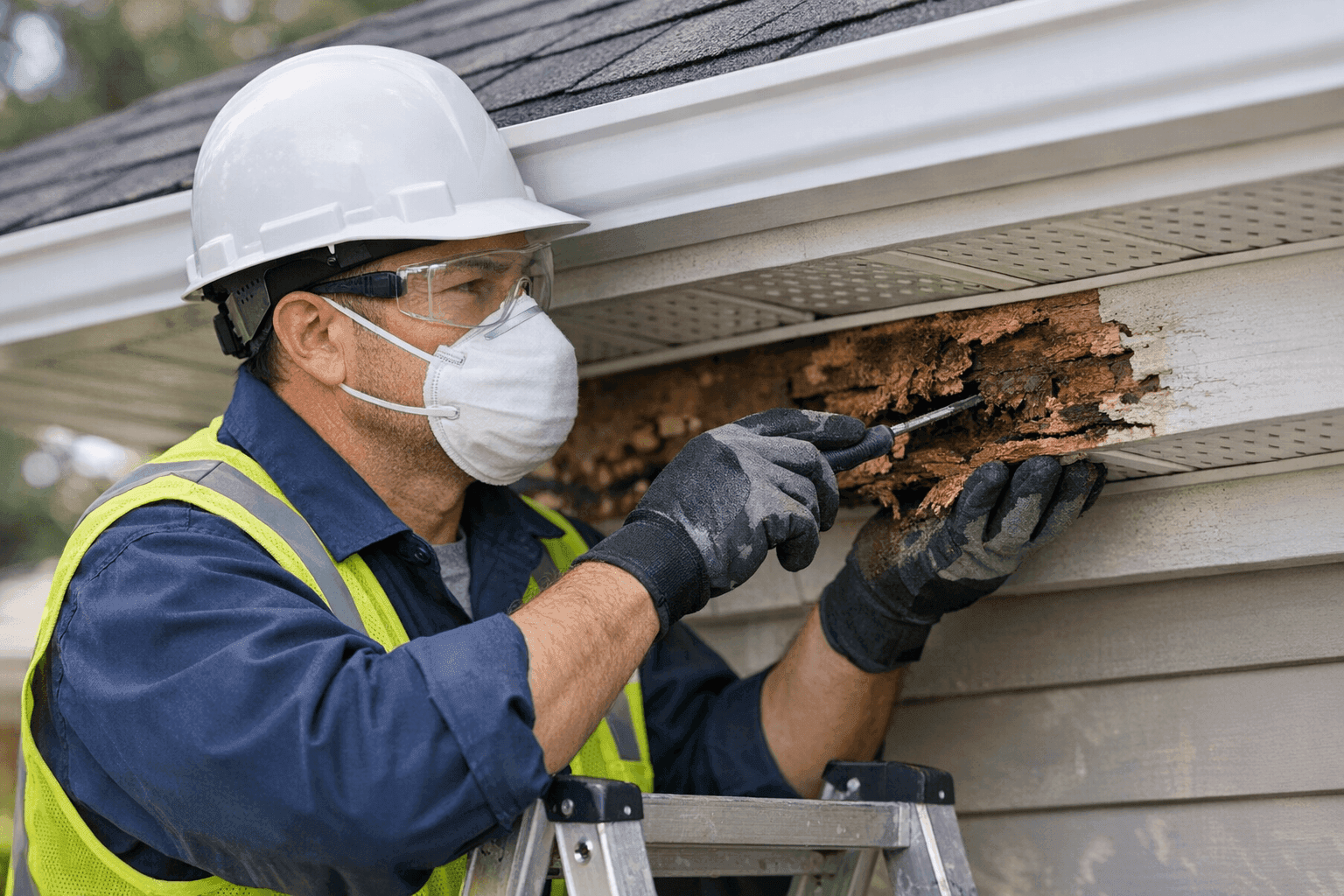
Soffit and fascia might seem like background players in your home's story, but they’re actually the silent guardians standing between your structure and serious trouble. When these unsung heroes falter, the results can be swift—water leaks, pest invasions, and damage that spirals into costly repairs.
At J.B. Siding, we see the fallout every season. But you don’t have to. Knowing what to look for—and when to act—can save both your siding and your sanity.
What to Check on Soffit and Fascia 🕵️♂️
Think of your soffit and fascia as the helmet and face shield for your home or building. Their job? Keep rain, snow, and critters out, and make sure your attic breathes. Here’s what to look at during your regular walkarounds:
- Cracks or holes: Even small gaps are as good as an open door for squirrels and wasps.
- Peeling paint or stains: These often hint at water sneaking behind your siding.
- Sagging panels: Like a drooping hat brim, this suggests rot or structural weakness.
- Blocked vents: If you see cobwebs, debris, or nests, your attic may not be venting right.
Take a few minutes each season to check the eaves, especially after storms or during major weather changes.
Warning Signs of Damage
Sometimes the signs are obvious, like birds darting in and out of your soffit. Other times, they’re subtle. Watch for:
- Persistent leaks or damp spots indoors.
- Mold or mildew along the edges of ceilings.
- Flaking paint or soft wood you can press in with your finger.
- Increased pest activity near your eaves or attic.
- Visible rot, especially if it crumbles or flakes away.
If you notice any of these issues, it’s time to act. These aren’t just cosmetic problems—they’re early alarms.
Common Causes of Soffit and Fascia Damage
Why do soffit and fascia fail? Here are the usual suspects:
- Water intrusion: Poorly sealed joints or damaged gutters let water seep where it shouldn’t.
- Clogged gutters: Blocked gutters overflow, soaking the wood and causing rot.
- Aging materials: Like a well-worn pair of boots, even the best siding wears out.
- Animal or insect invasion: Birds, squirrels, and wasps love cozy attic spaces.
- Improper ventilation: Moisture trapped in your attic can lead to wood decay and mold.
Regular inspections and siding maintenance help catch these issues before they spiral.
Why Prompt Repairs Matter
Think of neglected soffit and fascia like a small hole in a boat. Left alone, water finds a way in. Soon, you’re bailing out far more than you bargained for.
Risks of waiting:
- Water damage: Water doesn’t just stop at the soffit. It runs downward, soaking attic insulation, wall framing, and even your interior.
- Mold growth: According to the EPA, excess moisture in homes is a leading cause of mold, which can threaten both structure and health.
- Pest infestations: Once critters get in, they rarely leave on their own.
- Siding failure: Water and pests often lead to bigger siding issues, including warping, swelling, and detachment.
Addressing the problem now is always cheaper—and less disruptive—than a full-blown siding overhaul.
When It’s an Emergency
Some issues just can’t wait. Call for immediate repair if you notice:
- Visible animal nests or entry holes.
- Sudden sagging or collapse after a storm.
- Rapidly spreading mold or water stains.
- Loose or hanging panels threatening to fall.
If you’re not sure, err on the side of caution. Emergency soffit and fascia repair is sometimes the only thing standing between you and a major insurance claim.
DIY vs. Professional Repair
It’s tempting to grab a ladder and try a fix. For a loose nail or a quick cleaning, that’s fine. But for anything involving rot, pests, or water damage, it’s a different story.
- Pros have the right safety gear: Falls from ladders are among the leading causes of home injuries, per the CDC.
- Proper materials: We match your existing siding and use code-compliant fasteners and sealants.
- Hidden damage: What looks minor outside might hide much worse inside.
If you’re tackling a minor cleaning or clearing debris, go slow and stay safe. For repairs, call a professional.
What Pros Do On Arrival
A siding specialist does more than patch a hole. At J.B. Siding, here’s our typical approach:
- Full inspection: We check not only the visible damage but also your attic, gutters, and ventilation.
- Moisture testing: Using meters, we assess for hidden water damage.
- Material matching: Whether it’s wood, vinyl, or metal, we ensure seamless repairs.
- Ventilation check: Adequate airflow is key to long soffit and fascia life.
Our goal? Catch underlying problems, not just surface symptoms.
Prevention & Maintenance Tips
Stay ahead of trouble with these habits:
- Clean your gutters twice a year. Spring and fall are best.
- Trim trees away from your roofline. Branches can scrape or drop debris.
- Check attic ventilation. Good airflow keeps moisture from building up.
- Inspect after severe storms. High winds and hail can do hidden damage.
- Schedule regular siding inspections like those found in our siding inspection service.
A bit like brushing your teeth—regular care prevents bigger headaches later.
Seasonal Considerations 🌦️
Winter brings ice dams and wind-driven snow; summer means torrential rains or blistering sun. Each season tests your soffit and fascia differently.
- Spring: Look for winter water damage or animal nests.
- Summer: Watch for wasps and sun-baked, brittle paint.
- Fall: Falling leaves clog gutters; check for blockages.
- Winter: Ice dams and heavy snow can pull gutters loose, exposing the fascia.
Build seasonal checks into your routine—your siding will thank you.
Common Mistakes Owners Make
- Ignoring small cracks or paint bubbles.
- Using the wrong materials for repairs.
- Skipping attic ventilation checks.
- Letting gutters overflow.
- Delaying repairs until visible rot appears.
Small issues become big ones if left alone.
Costs & Time Factors
Soffit and fascia repair costs depend on:
- Extent of damage: Minor fixes are quick; rot or pest issues take longer.
- Material: Wood repairs may be pricier than vinyl or metal.
- Access: Multi-story buildings or tight corners add time.
Most repairs are done in a day or two, but severe damage takes longer. Upfront inspections are worth it.
Timeline & Disruption
Worried about noise or mess? Most soffit and fascia repairs cause minimal disruption. We use drop cloths, remove debris, and focus our work on the eaves—not inside your living space.
Materials & Equipment
- Wood, vinyl, or aluminum panels—matched to your current siding.
- Moisture-resistant underlayment.
- Vented soffit materials for proper airflow.
- Approved fasteners and caulks per International Residential Code (IRC) guidelines.
We keep materials on hand for common repairs, but custom jobs may require special orders.
FAQ: Your Soffit and Fascia Questions
Can I paint over minor stains?
Yes, but only after confirming there’s no underlying moisture or rot.
How often should I inspect my soffit and fascia?
Twice a year, plus after major storms.
Will insurance cover repairs?
It depends—most policies cover sudden storm damage, but not routine wear and tear.
What if I see animals nesting?
Call a professional. Removing animals can be tricky and sometimes requires wildlife control experts.
Why Siding Pros Look at Soffit and Fascia First
Siding issues often start up top. Your soffit and fascia are the first line of defense. Ignoring them can mean replacing much more than just a few boards down the road.
Looking for New Construction Siding near you? Check out our service area for full siding solutions in Lincoln.
Final Thoughts
Don’t wait for stains on the ceiling or a squirrel in your attic to sound the alarm. Early action is the best defense against expensive repairs and invasive pests. Regular checks, prompt repairs, and a little attention go a long way.
Call J.B. Siding now — or reach us anytime at 855-598-5177 .