Soffit and Fascia Installation: Step-by-Step Process Explained
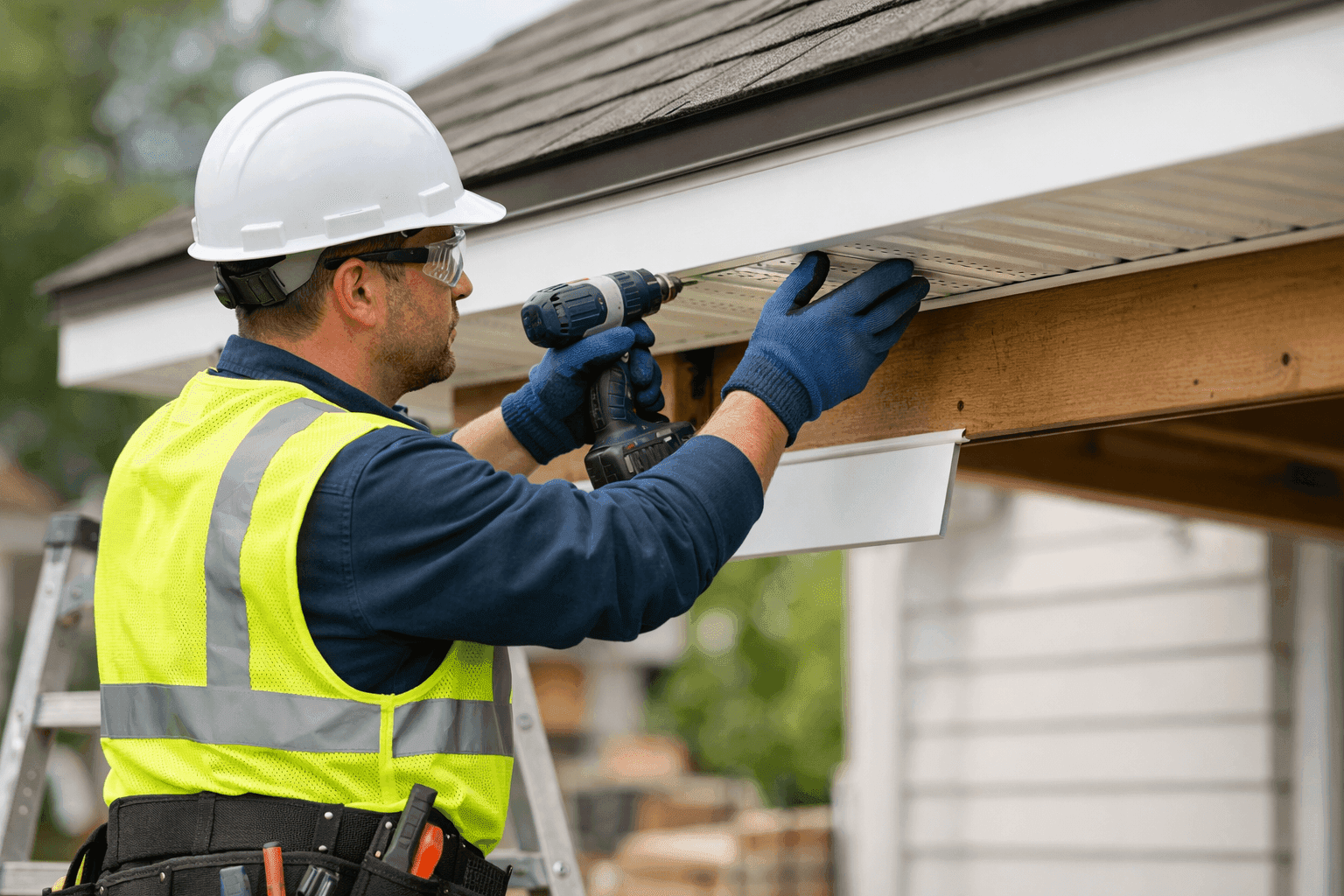
You notice peeling paint near your roofline. Maybe a squirrel’s found its way into your attic. Or, after a big storm, you see warped boards and think—now what? That’s when soffit and fascia come into play. Don’t let these unsung heroes of siding be your home’s weak link.
At J.B. Siding, we treat every installation like it’s our own property. We follow building codes, use premium materials, and sweat the details. Here, we’ll walk you through the entire soffit and fascia installation process, step by step—so you know what’s happening above your head, and why it matters.
What are Soffit and Fascia? 🏠
Soffit and fascia are like the trim on a well-tailored suit—subtle, but essential for function and style. The soffit is the panel beneath your roof’s overhang, shielding rafters from weather and pests. The fascia is the vertical board along the roof’s edge, where gutters often attach.
Why do they matter? Soffit prevents moisture and critters from sneaking into your attic. Fascia gives your roof a finished look, supports gutters, and helps block water from the edge of your roof deck. Together, they create a barrier, channel airflow, and boost curb appeal. For both residential and commercial siding projects, getting these details right is a must.
Installation Preparation
Good prep is half the job. Before a single nail goes in, we:
- Inspect the roofline, eaves, and attic for signs of rot, mold, or animal damage.
- Confirm siding and roof deck integrity—repairing any weak spots first.
- Check local building codes and manufacturer specs (see the International Residential Code for reference).
- Measure twice! We tally up soffit and fascia lengths, factoring in tricky corners or unusual rooflines—precision here avoids headaches later.
Safety matters, too. Ladders are placed on flat ground, and we double-check electrical clearance near utility lines.
Materials and Tools: What Pros Use
The right gear makes all the difference. Our crews use:
- Vented or solid soffit panels (vinyl, aluminum, or fiber cement)
- Fascia boards (PVC, wood, or metal)
- Stainless steel fasteners for weather resistance
- Snips, saws, and measuring tools for clean, accurate cuts
- Safety equipment: gloves, goggles, and harnesses
Each material has pros and cons. Vinyl resists moisture, while aluminum won’t rust. Wood offers classic looks but needs more upkeep. We help you pick what fits your budget, climate, and style.
Step-by-Step Installation
Here’s how soffit and fascia installation unfolds—no skipped steps, no shortcuts:
1. Remove Old Materials
We gently take off old soffit, fascia, and gutters. We look for hidden rot and replace damaged substructures. A clean base is critical for long-lasting results.
2. Repair and Prep Substrate
If we spot water damage or pest nests, we fix them now. That may mean patching wood, adding a vapor barrier, or reinforcing framing. This is the foundation for every other step.
3. Install Soffit J-Channel
J-channel goes up first, creating a snug pocket for soffit panels. It’s fastened level and tight—gaps here mean future trouble.
4. Cut and Fit Soffit Panels
Each panel is measured and cut to fit the eaves exactly. Panels are slotted into J-channel and secured, leaving space for expansion. For attic ventilation, we use vented soffit or add strategic vents, keeping airflow steady and balanced.
5. Attach Fascia Boards
Fascia boards are measured, cut, and installed flush to the roofline. Seams are staggered for strength. We nail or screw them in place, following code for spacing and fastener type.
6. Seal Edges and Joints
Gaps are sealed with high-quality caulk to block out moisture and insects. This is where experience counts—a missed spot can lead to leaks or rot down the road.
7. Reinstall or Upgrade Gutters
With soffit and fascia in place, gutters get reattached (or replaced, if needed). Proper slope and secure brackets keep water flowing away from your foundation.
8. Final Inspection
We walk the site, check work against building codes, and make sure every edge is neat. Clean-up is thorough. You get a siding system that’s built to last.
Quick Safety Checklist
- Always use stable ladders and scaffolding on level ground.
- Wear gloves, safety glasses, and—if working at height—a harness.
- Turn off nearby power lines if possible, or keep a safe distance.
- Watch for wasp nests or animal activity in old soffit spaces.
If any part of the job feels unsafe or unfamiliar, it’s time to call a pro.
DIY vs. Professional Installation
Could you install soffit and fascia on your own? Maybe. But it’s a bit like baking bread from scratch—you need the right tools, know-how, and patience. Even one wrong cut or loose joint can mean water leaks, mold, or expensive repairs. Professional installers bring:
- Experience troubleshooting tricky rooflines
- Up-to-date knowledge of building codes
- Craftsmanship that stands up to wind, rain, and time
For peace of mind, especially with New Construction Siding near you, professional installation is a smart investment.
What Pros Do On Arrival
When J.B. Siding arrives, we don’t just jump on ladders. We:
- Review your home’s unique needs
- Assess ventilation and moisture risks
- Plan for debris removal and site safety
- Explain the timeline and answer your questions
You’re never left wondering what happens next.
Common Mistakes to Avoid ⚠️
Even small errors can cause big headaches:
- Skipping substrate repairs and installing over rot
- Failing to provide enough attic ventilation
- Using the wrong fasteners or overdriving nails, leading to splits
- Not sealing joints, allowing water in
- Forgetting to slope gutters for drainage
Hiring a seasoned crew helps dodge these pitfalls. And if you have damage already, see our soffit and fascia repair services for timely help.
Maintenance After Installation
Quality installation lasts, but regular care keeps it that way:
- Inspect soffit and fascia every spring and fall.
- Clean gutters to prevent overflow and rot.
- Look for signs of animal entry or peeling paint.
- Touch up caulk and paint as needed.
If you spot early signs of trouble, quick repairs are the key—see our siding ventilation solutions to keep airflow balanced and energy bills low.
Signs of Trouble: When to Act
Don’t ignore these red flags:
- Sagging or warped boards
- Water stains on your ceiling or eaves
- Mold or mildew smells in the attic
- Rusty or loose gutters
Early intervention saves time and money. If you’re in Oyster Bay, check out our full-service siding in Oyster Bay for prompt attention.
Timeline & Disruption
Most soffit and fascia installations take one to three days, depending on size and complexity. Weather, material availability, or hidden damage can add time. We keep you updated every step so there are no surprises.
Expect some noise, dust, and limited access to parts of your yard. We work efficiently to keep disruption minimal.
Materials & Eco-Friendly Options
Today’s siding isn’t one-size-fits-all. Choose from:
- Vinyl: affordable, low-maintenance, and weather-resistant
- Aluminum: lightweight, rust-free, and recyclable
- Fiber cement: durable, fire-resistant, and eco-conscious
- Wood: classic beauty, but needs regular upkeep
Ask about our eco-friendly siding options for a greener footprint and lasting performance.
Costs & What Affects Price
Pricing depends on:
- Linear feet of soffit and fascia
- Material choice (vinyl vs. fiber cement, etc.)
- Repair needs for substrate or framing
- Gutter replacement or upgrades
We offer transparent quotes, so you know exactly what to expect.
When It’s an Emergency
Storms, falling branches, or animal invasions don’t wait. If your soffit or fascia is compromised, don’t delay. Fast action prevents water damage and keeps your home secure.
Frequently Asked Questions
Q: How often should soffit and fascia be replaced?
A: With quality materials and good care, 20–30 years is typical. Regular inspections help catch issues early.
Q: Does new soffit improve ventilation?
A: Yes, especially if you choose vented panels. Balanced airflow reduces mold and helps your roof last longer.
Q: Can I paint my new soffit and fascia?
A: Absolutely—just use the right paint and prep surfaces first.
Why Code Compliance and Craftsmanship Matter
Building codes aren’t just red tape—they’re your home’s shield against wind, rain, and fire. At J.B. Siding, we follow International Residential Code guidelines, check fastener spacing, and install ventilation to spec. Great work isn’t just about looks. It’s about safety, durability, and pride.
If you’re ready to protect your home or business with the right soffit and fascia installation, don’t wait for leaks or animal guests. Call J.B. Siding now — or reach us anytime at 855-598-5177 .