Siding Warranties Explained: What Homeowners Need to Know
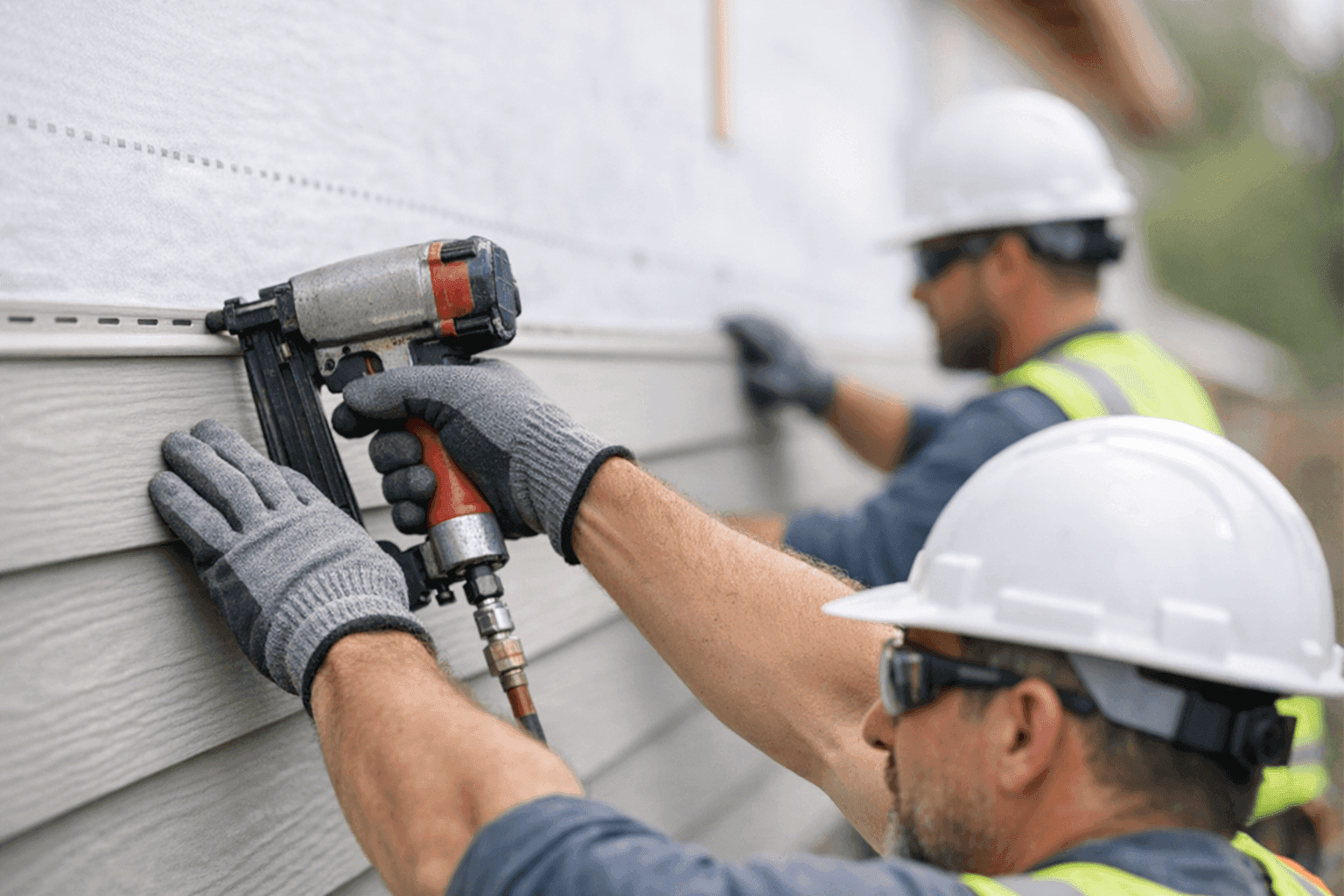
It’s one of those details most homeowners don’t think about until it’s too late: your siding warranty. You invest in beautiful, durable siding—then life happens. A hailstorm, moisture where it shouldn’t be, or simply the slow march of time. When that moment comes, will your warranty have your back?
At J.B. Siding, we’ve seen what happens when folks misunderstand their coverage. Let’s make sure you’re not left out in the rain—literally or figuratively.
What is a Siding Warranty? 🏡
Think of a siding warranty as a safety net for your biggest investment—your home. It’s a written promise from the manufacturer or installer to stand behind their work or product for a set period. If something goes wrong because of how the siding was made or put in, the warranty may help cover repairs or replacement.
But not all warranties are created equal. Some are as sturdy as oak. Others? More like cardboard in a downpour.
Types of Coverage
Warranties typically fall into two buckets:
- Manufacturer Warranties: Cover defects in materials (like cracking, chipping, or warping).
- Workmanship Warranties: Offered by installers, covering errors in installation.
Some siding products, like fiber cement or vinyl, come with warranties that stretch decades. Others might only last a few years. Coverage can be “full” (everything is included for a set time) or “prorated” (coverage decreases as the years go by).
Common Exclusions to Watch For ⚠️
Warranties can feel airtight—until you hit the fine print. Here’s what often isn’t covered:
- Improper installation: If your siding was installed by someone unqualified, you could be out of luck.
- Acts of nature: Tornadoes, hurricanes, or wildfires may not be included.
- Neglect or lack of maintenance: Skipping regular cleaning or repairs can void your warranty.
- Normal fading: Over time, sun and weather can cause color changes. Most warranties don’t cover this.
- Previous repairs: DIY fixes or work by a third party can void coverage.
Always read your warranty before you need it, not after.
How to File a Warranty Claim
If you spot a problem, don’t panic. Here’s how to keep things on track:
- Document everything. Take clear photos of the damaged area, and note when you first noticed the issue.
- Find your paperwork. Grab your warranty documents, original receipts, and any installation records.
- Contact your provider. Reach out to the manufacturer or installer as instructed in your warranty.
- Schedule a siding inspection. A professional evaluation (like our siding inspection service) may be required to support your claim.
- Follow up. Keep a written record of calls, emails, and outcomes.
The smoother your documentation, the faster your claim will move.
Keeping Your Warranty Valid
A warranty is only as strong as your commitment to its terms. Here’s how to keep yours ironclad:
- Stick to the maintenance schedule. Clean your siding as recommended—usually once a year.
- Fix small issues fast. Don’t let cracks or moisture linger.
- Hire licensed pros. For installation or repairs, always choose certified, insured professionals.
- Avoid DIY repairs. Even a well-meaning touch-up can void your warranty.
- Save your receipts and records. These are your proof that you played by the rules.
For more on maintenance, the International Code Council and local building codes offer best practices.
Why Siding Inspections Matter
You wouldn’t skip an oil change on your car. Don’t skip siding inspections, either. Regular checks can catch small issues before they snowball. Early detection is your best defense against costly repairs—and a key part of most warranty agreements.
A professional can spot:
- Early signs of water intrusion
- Loose or warped panels
- Gaps in caulking or flashing
If you need help, our siding replacement team can walk you through your options if repairs aren’t enough.
DIY vs. Call a Pro
Tempted to fix that little crack yourself? Pause. Many warranties require repairs be done by certified installers. Even a small mistake can void years of protection. When in doubt, call a pro—especially for storm damage, wood rot, or insulation issues.
What Pros Do On Arrival
When a siding specialist from J.B. Siding arrives, here’s what you can expect:
- Full assessment of affected areas
- Review of your warranty documents
- Clear explanation of your options
- Professional documentation for claims
We keep it transparent and easy to understand.
Problem Scenarios: Real-World Examples
- Storm Damage: After a windstorm, a homeowner finds siding panels ripped away. Their warranty covers manufacturer defects, but not storm damage. Home insurance kicks in, but not the siding warranty.
- Moisture Issues: Improperly sealed siding leads to rot. Since installation wasn’t done by a certified pro, the warranty is void.
- Color Fading: Five years in, the siding’s color looks faded. The warranty specifically excludes fading caused by sun or weather.
Knowing these common situations helps you avoid costly surprises.
Seasonal Considerations
Spring and fall are the best times to inspect your siding. Ice, wind, and sun all take a toll. Set a reminder for a yearly check-up—especially if your area gets harsh weather.
Timeline & Disruption
Warranty claims can take anywhere from a few days to several weeks, depending on the issue and provider. During repairs, expect some noise and dust—but reputable pros (like J.B. Siding) keep disruption to a minimum.
Materials and Equipment Covered
Not all materials are covered equally. Wood siding warranties often require regular painting or sealing. Vinyl siding may need less maintenance but can be sensitive to heat. Fiber cement can last decades if properly cared for.
Always ask: “What do I have to do to keep my warranty valid?”
Common Mistakes Homeowners Make
- Ignoring small issues until they grow large
- Tossing out warranty paperwork
- Letting unlicensed contractors perform repairs
- Assuming all damage is covered
Avoiding these pitfalls can save you thousands down the road.
When It’s an Emergency
Some siding problems can’t wait—especially after severe storms or accidents. Emergency siding services may be covered differently than standard repairs. Keep your warranty info handy, and call for help right away.
Frequently Asked Questions
How long do most siding warranties last?
It depends on the material and brand. Vinyl and fiber cement often come with 20–50 year warranties. Wood siding may offer 5–10 years.
Can I transfer my warranty if I sell my home?
Some warranties are transferable to a new owner, though there may be a fee or time restriction. Check your specific documents.
What if my warranty is voided?
You’ll be responsible for the full cost of repairs or replacement. That’s why it’s vital to maintain your siding and keep all records.
Local Siding Pros Near You
Looking for "New Construction Siding near you" or want to learn more about siding options in your area? Check out our Palm Harbor siding service page for everything you need to get started.
Protecting your home means understanding the fine print. With the right knowledge, your siding warranty can be a reliable shield—not just a stack of paper in a drawer.
Call J.B. Siding now — or reach us anytime at 855-598-5177 .