Siding Ventilation Solutions: Preventing Mold, Rot, and Moisture Issues
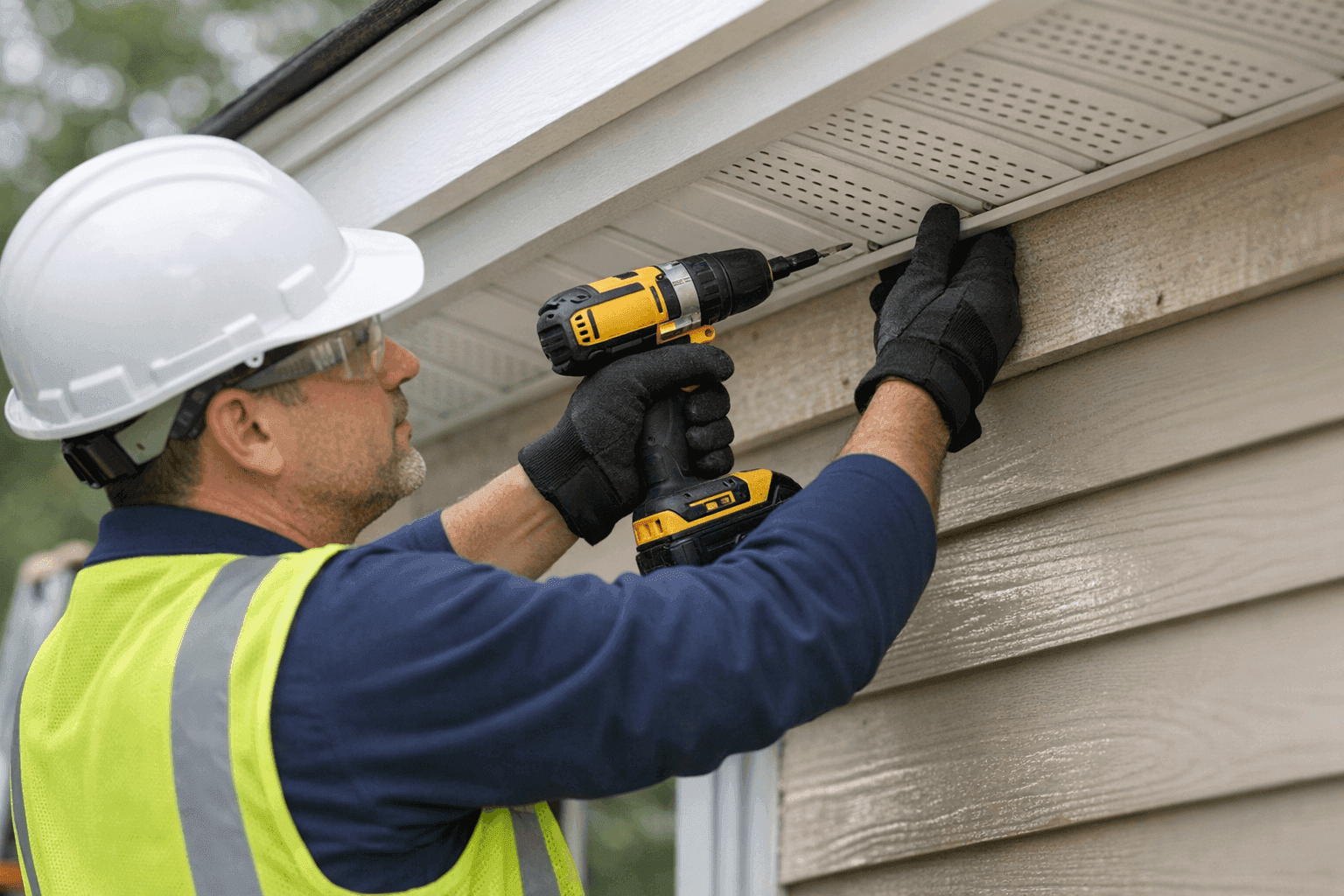
Moisture is the silent enemy of every building—creeping in unnoticed, it can turn your dream home or workspace into a nightmare of mold, rot, and costly repairs. If you’ve spotted bubbling paint, warped siding, or that musty smell, you’re seeing early warning signs that shouldn’t be ignored.
At J.B. Siding, we know how important it is to keep your siding—and what’s beneath it—dry and healthy. Whether you own a cozy home or a busy storefront, the right siding ventilation solutions are your first line of defense.
Why Ventilation Matters: The Science Behind Moisture Management 🏡
Think of your siding as a raincoat for your building. But even the best raincoat gets clammy without ventilation. Siding needs a way to breathe—letting out humid air before it becomes a breeding ground for mold or wood rot.
The basic science is simple: Warm air holds more moisture. When that air sneaks behind your siding and cools, water droplets form, just like condensation on a cold drink. Over time, this hidden moisture can lead to decay, mold, peeling paint, and even structural damage.
Building codes (like the International Residential Code and recommendations from the U.S. Department of Energy) require proper ventilation for this very reason. Without it, you’re inviting trouble—inside and out.
Common Moisture Problems: What Could Go Wrong?
You might not see moisture, but you’ll see what it leaves behind. Some of the most common issues caused by poor siding ventilation include:
- Black mold creeping inside walls
- Rotting wood and compromised framing
- Bubbling or peeling paint
- Warped or swollen siding panels
- Unpleasant odors indoors
- Allergy and respiratory issues
Left unchecked, these problems can ripple through insulation, drywall, and even your floors. Early action is always less expensive than major repairs later.
How Ventilated Siding Works: Letting Your Home Breathe
Ventilated siding isn’t just about letting air in; it’s about creating an escape route for moisture.
Modern siding systems use techniques like:
- Vented soffits: Small holes or slots under your eaves let air flow up into the attic and out, carrying moisture with it.
- Rain screens: A slim gap between siding and wall sheathing acts like a chimney, allowing air to move and dry out any trapped water.
- Moisture barriers: Breathable wraps that block liquid water but let water vapor escape.
Each piece works together—like windows cracked open on a humid day. The result? Less trapped moisture, longer siding life, and a healthier building.
Warning Signs of Poor Ventilation: Don’t Miss These Clues ⚠️
How do you know if your siding is suffocating? Watch for:
- Discoloration, stains, or streaks on siding or trim
- Musty smells in certain rooms or near exterior walls
- Peeling or blistering paint outside
- Visible mold or mildew near soffits, fascia, or base of walls
- Soft, spongy wood when pressed (try gently pushing on trim or siding corners)
- Condensation inside windows (especially in winter)
If any of these sound familiar, it’s time for a siding inspection before small issues turn into big repairs.
Quick Safety Checklist: What Every Owner Should Know
Before you climb a ladder or poke around, keep safety front and center:
- Only inspect from the ground if unsure.
- Wear gloves if checking for soft spots.
- Don’t disturb visible mold—professional remediation is safer.
- Use a flashlight to check soffits and vents after rain.
When in doubt, call a pro who knows siding inside and out.
DIY or Call a Pro? Knowing When to Get Help
Some moisture issues are simple—like clearing blocked vents or trimming back shrubs. But hidden mold, rotten framing, or siding that feels soft is a different story. When you suspect bigger problems, professional help isn’t just smart—it could save you thousands.
Pros have tools like moisture meters and thermal cameras. We know how to spot trouble before it spreads, and we can recommend the right siding ventilation solutions for your specific home or business.
What the Pros Do on Arrival: The Inspection Process
When J.B. Siding arrives, we start with a thorough check:
- Walk the property, looking for visible damage or discoloration.
- Inspect soffits, fascia, and vented areas for blockages or signs of water.
- Use moisture meters to check hidden areas.
- Examine attic spaces for damp insulation or mold.
- Review gutter and flashing details—water needs a clear path away from your siding.
We never guess. Our goal is to pinpoint the cause, not just patch the symptoms.
Prevention & Maintenance: How to Keep Moisture at Bay
Think of siding ventilation as a habit, not a one-time fix. Here’s how to stay ahead:
- Clean soffits and vents once or twice a year to remove debris.
- Keep gutters clear—overflow leads to water running behind siding.
- Trim back plants—shrubs pressed against siding trap moisture.
- Check caulking and seals every season and replace as needed.
- Schedule regular siding inspections, especially after storms or harsh winters.
Prevention takes minutes. Repairs can take weeks.
Costs & Time Factors: What to Expect
Every job is unique. Small fixes—like cleaning vents or replacing caulk—might take an afternoon. Larger repairs, including replacing rotted trim or installing rain screens, can take several days.
Costs depend on the extent of damage and the type of siding. Ventilation upgrades are an investment in your property’s lifespan, helping you avoid much bigger bills for mold remediation or structural repairs down the road.
When It’s an Emergency: Acting Fast
Sometimes moisture problems can’t wait, especially after severe storms or flooding. If you notice water actively entering your building, sagging siding, or large patches of visible mold, treat it as urgent.
In these situations, our emergency siding services are available to respond quickly, secure your property, and start the drying process.
Timeline & Disruption: Will This Turn My Life Upside Down?
Most siding ventilation fixes are completed with minimal disruption. For residential projects, you might hear tools outside or see our team working on ladders, but you can usually stay at home.
For businesses, we work around your schedule to keep your operations running. Good communication is our promise—from first inspection to final walk-through.
Materials & Equipment: What Makes the Difference
Quality matters. We use durable vented soffit panels, high-performance moisture barriers, and corrosion-resistant fasteners. For custom siding solutions, we select materials that match your building’s look, climate, and budget.
Whether you need new construction siding near you or an upgrade to existing walls, choosing the right products is half the battle.
Common Mistakes: Don’t Fall for These Traps
- Blocking soffits with insulation or paint
- Skipping regular gutter cleaning
- Ignoring small leaks or stains
- Using the wrong caulk or sealant
- Postponing inspections after severe weather
A little maintenance now means a lot less hassle later.
Seasonal Considerations: When to Check Your Siding 🍂
- Spring: Inspect after snow melts—look for water stains and peeling paint.
- Summer: Ensure vents are clear before humidity spikes.
- Fall: Clean gutters and trim trees.
- Winter: Watch for ice dams or condensation inside windows.
Set reminders on your calendar—your siding (and wallet) will thank you.
FAQs: Siding Ventilation Answers
Q: How often should I check my siding ventilation?
A: Twice a year, ideally in spring and fall, and after severe weather.
Q: What if my home is older and doesn’t have vented soffits?
A: Upgrades are possible. Our team can recommend solutions to retrofit proper ventilation.
Q: Can ventilated siding help with energy efficiency?
A: Absolutely! Proper ventilation reduces moisture, which helps insulation work better and can lower heating and cooling bills.
Q: Is ventilation different for commercial buildings?
A: The principles are the same, but commercial projects may need more robust systems or code-specific details. We handle both.
Best Practices for New and Existing Homes
- Always choose siding and ventilation systems designed for your climate.
- Follow code requirements and manufacturer instructions.
- Prioritize both airflow and weatherproofing—these work hand-in-hand.
- For new projects, integrate ventilation from the start.
- For older homes, upgrades can be planned without a full siding replacement.
Looking for siding ventilation solutions or siding-weatherproofing that’s built to last? J.B. Siding has you covered.
Your Next Step: Protect Your Home for Good
Don’t let hidden moisture turn into costly repairs. Whether you need a siding inspection, new construction siding near you, or a full ventilation upgrade, our team is here to help. For homeowners in the Chesterfield area, check out our siding services in Chesterfield for trusted, local expertise.
Call J.B. Siding now — or reach us anytime at 855-598-5177 .