Siding Trim Repair: Restoring Style and Structural Integrity
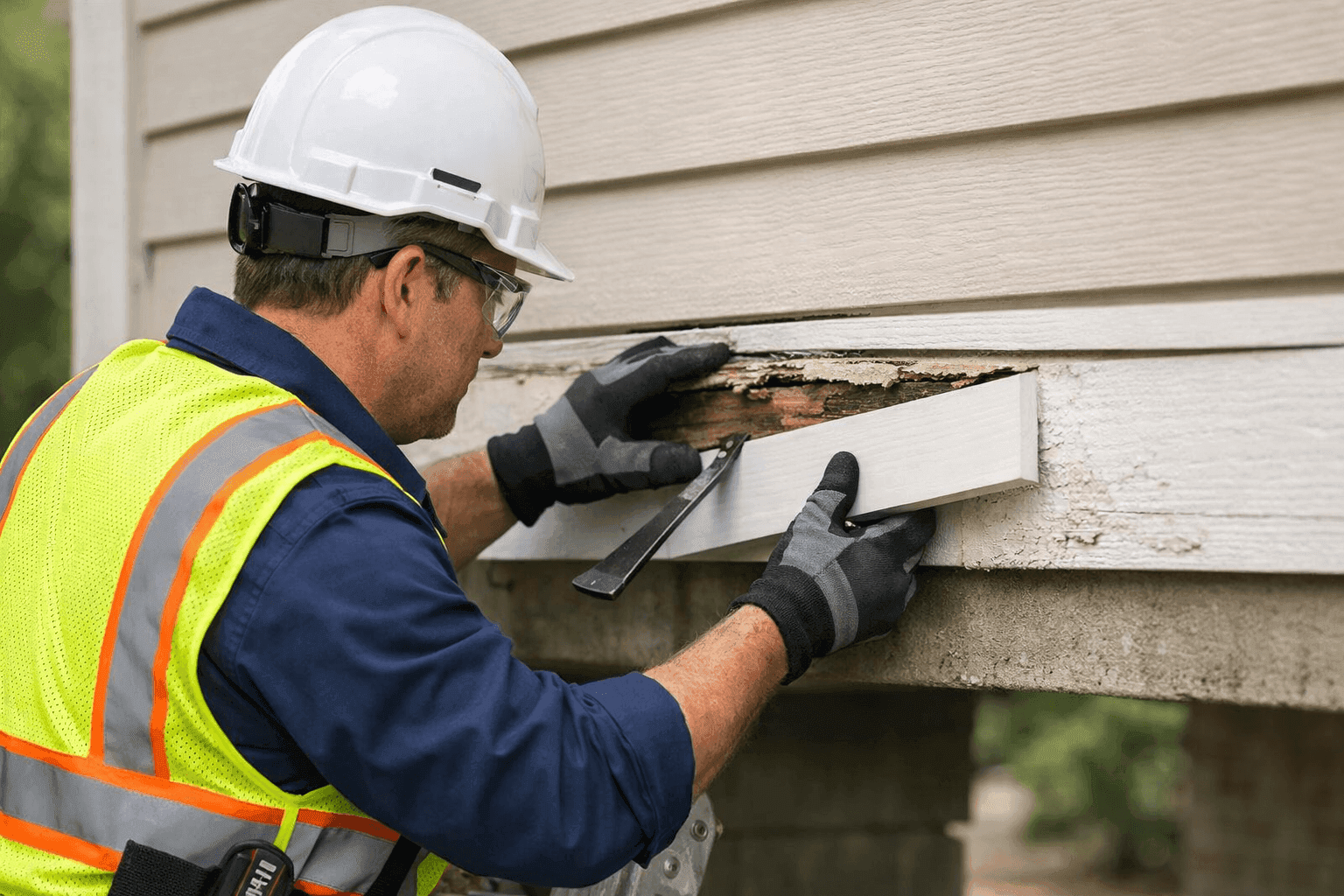
Is your siding trim showing cracks, peeling paint, or soft spots after a storm? Don’t shrug it off. Siding trim isn’t just for looks—it shields your home’s edges, corners, and seams from water, pests, and drafts. At J.B. Siding, we’ve seen how overlooked trim can quietly undermine an entire siding system. It’s not just about appearances; it’s about protecting what’s inside.
If you’re looking for lasting style and structural security, restoring damaged trim is the foundation. Here’s what every property owner should know.
What is Siding Trim? 🏡
Siding trim is the finishing touch that frames windows, doors, corners, and roof lines. Think of it as the picture frame that both highlights your home’s style and seals out trouble. Trim is usually made from wood, PVC, fiber cement, or metal. Each material has its strengths, but all share the job of keeping moisture and wind from sneaking behind your siding.
Trim also hides gaps and transitions, making everything look crisp and intentional—from new construction siding near you to historic restorations.
Common Causes of Trim Damage
Even the toughest trim takes a beating over time. Here’s what wears it down:
- Weather exposure: Sun, rain, snow, and freeze-thaw cycles can warp, crack, or rot wood trim. Metal can rust, paint can peel, and caulk can dry out.
- Poor installation: Gaps or crooked edges invite water in, leading to swelling and decay.
- Pests: Carpenter ants, termites, and even birds sometimes burrow or nest in soft trim.
- Mechanical impact: Lawn equipment, ladders, or hail can dent or break trim pieces.
- Neglected maintenance: Skipping routine inspections or painting accelerates deterioration.
Spotting the source is the first step toward a lasting fix.
Repair vs. Replacement: Making the Right Call
Not every damaged trim board needs to go. Sometimes, a quick repair restores both form and function. But when is replacement the better investment?
- Repair is best for minor splits, loose nails, faded paint, or small areas of soft wood. If most of the trim is solid, spot fixes save time and money.
- Replacement is necessary if rot has spread, sections are missing, or the damage is deep. If your siding or trim is more patch than original, a fresh start is safer.
An honest inspection—sometimes with a simple screwdriver test for softness—reveals what’s salvageable.
Professional Trim Repair Steps
At J.B. Siding, attention to detail is our calling card. Here’s how we approach siding trim repair:
- Assessment: We look for hidden moisture, loose fasteners, and damage beneath the surface. This includes checking caulking and flashing.
- Removal: Damaged sections are carefully pried loose, protecting adjacent siding and trim. We also check for mold or pest activity.
- Preparation: The exposed area is cleaned, dried, and treated (if needed) to prevent future issues.
- Replacement or Patch: New trim boards—matched for material and style—are installed. If repair is possible, we fill, sand, and seal as needed.
- Sealing and Painting: All joints are caulked, then painted or finished to match the rest of your exterior.
- Weatherproofing: We check flashing and drainage, ensuring your siding is ready for storms ahead.
Our goal? Seamless repairs that look invisible and last through every season.
Signs It’s Time for Trim Repair
Not sure when to act? Watch for these warning flags:
- Peeling or blistered paint
- Gaps between trim and siding
- Soft or spongy spots when pressed
- Mold, mildew, or water stains
- Visible cracks, warping, or missing sections
- Increased drafts or musty odors inside
Small problems rarely fix themselves. Early attention prevents bigger headaches down the line.
Quick Safety Checklist Before You Start
Thinking about a DIY patch? Safety first:
- Wear gloves, goggles, and a dust mask—especially when scraping old paint
- Watch for nails, splinters, and sharp tools
- Use ladders safely on firm, level ground
- Turn off outdoor power if working near wires or fixtures
For repairs involving heights, lead paint (common in pre-1978 homes), or structural rot, calling a professional is always the safer move. The U.S. Consumer Product Safety Commission offers helpful ladder safety guidelines.
Siding Trim Materials: What Lasts, What Looks Best
Choosing the right trim isn’t just about matching colors. Durability matters. Here are the most common options:
- Wood: Classic and beautiful, but needs regular sealing and painting
- Fiber cement: Resists rot, fire, and insects; low maintenance
- PVC/vinyl: Never rots or needs paint, but can warp with extreme heat
- Metal: Strong and modern, but may dent or need repainting
We recommend matching materials to your siding and local climate for best results. Not sure? Our siding material consultation service can help clarify your choices.
Common Mistakes to Avoid
Trim repair might look simple, but shortcuts can backfire:
- Using mismatched materials or fasteners
- Skipping proper caulking (water will find every gap)
- Painting before caulk cures
- Installing without a moisture barrier or flashing
- Ignoring nearby gutter or roof leaks
A little extra care during repair pays off in years of protection. If you’re unsure, professional help is always worth considering.
Timeline & Disruption: What to Expect
Worried about the mess or downtime? Here’s the usual flow:
- Small repairs: 2–4 hours, minimal disruption
- Larger replacements: 1–2 days, especially if scaffolding or custom trim is required
- Clean-up: We leave the area swept, with all scraps and nails removed
We work efficiently, respecting your space and schedule.
When Trim Damage Turns Into an Emergency
Some situations can’t wait:
- After a storm, high winds or flying debris may rip off trim and expose your home to water intrusion
- Active water leaks, interior stains, or pest infestations
- Structural trim failure that threatens siding panels
For urgent needs, our emergency siding services for siding repair are available—call us right away if your property is at risk.
Prevention Tips: Keeping Trim Strong Year-Round 🛡️
A little effort now prevents big headaches later:
- Inspect trim every spring and fall for cracks, gaps, or peeling
- Clean gutters and downspouts regularly—overflowing water destroys trim
- Touch up paint and caulk before winter or rainy seasons
- Keep landscaping trimmed back from siding to prevent moisture traps
- Address pest issues promptly
If you’re unsure what to look for, a professional siding inspection can spot concerns before they escalate.
Siding Trim and Weatherproofing: Why It Matters
Trim isn’t just eye candy. It’s your home’s raincoat. Properly installed and maintained trim keeps wind-driven water, snow, and ice from sneaking into walls and insulation. It also closes the door on bugs and rodents.
At J.B. Siding, we treat every trim repair as a chance to reinforce your home’s first line of defense. That’s why we pay close attention to caulking, flashing, and fit—because weather never takes a day off.
Siding Trim Repair for New Construction & Historic Homes
Whether you’re building from scratch or restoring a classic, trim deserves careful planning. New construction siding near you benefits from modern, low-maintenance materials. For historic properties, matching original profiles and finishes preserves charm—and value.
We work with both residential and commercial clients, tailoring trim repairs and updates to every style and code requirement. The International Residential Code (IRC) sets standards for exterior finishes—always check local codes or work with licensed professionals.
The Value of Professional Siding Trim Repair
DIY can be tempting, but siding trim repair is part art, part science. It’s about more than just nailing up a board. Professionals bring:
- Precision in matching materials, profiles, and colors
- Experience in weatherproofing and flashing
- The right tools for safe, efficient work
- Insight into hidden or future problems
Most of all, a professional touch means peace of mind—knowing your home’s style and structure are in good hands.
Ready to Restore Your Home’s Style and Strength?
Don’t let trim trouble sneak up on you. Whether it’s a quick repair, a full replacement, or simply a question about the right materials, J.B. Siding is here to help you protect what matters most.
Call J.B. Siding now — or reach us anytime at 855-598-5177 .