Siding Repair vs. Replacement: How to Decide
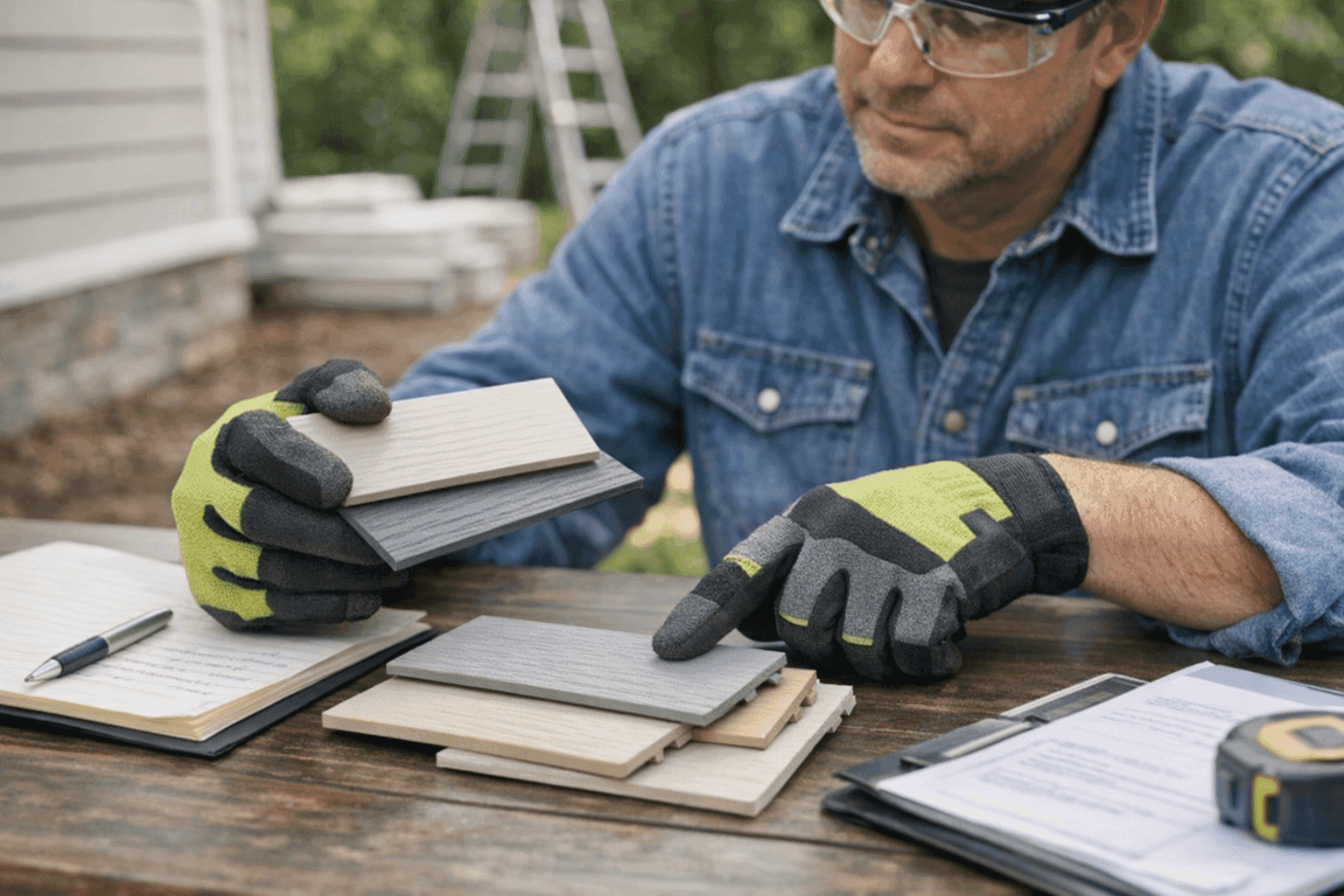
Is your siding looking tired, cracked, or faded? Maybe you’ve spotted a few panels that just don’t sit right anymore. Whether you’re a homeowner or manage a commercial property, the question is the same: Should you repair your siding, or is it time for a full replacement?
At J.B. Siding, we know the decision isn’t always clear-cut. Siding is your building’s armor. When it’s compromised, your property’s looks, efficiency, and safety all take a hit. Let's walk through the pros, cons, and key considerations—so you can make the best call for your home or business.
Understanding the Problem: What’s Actually Wrong?
Before you choose between repair or replacement, get to the root of the issue. Is it warping, rot, fading, or something more serious? Sometimes it’s obvious—a panel blown loose by a storm, a section chewed up by insects, or water stains creeping up from the foundation. Other times, issues hide beneath the surface, only showing up as higher energy bills or mysterious drafts.
Common siding problems:
- Cracks or holes in panels
- Warping or buckling boards
- Faded, peeling, or chalky color
- Mold, mildew, or rot
- Loose or missing sections
- Bubbling paint or water damage inside the house
If you’re unsure, a professional siding inspection can reveal hidden trouble before it gets worse.
Quick Safety Checklist 🛑
Safety first—always. Damaged siding isn’t just about appearances. It can invite pests, let moisture sneak into your walls, and even affect your indoor air quality.
Ask yourself:
- Is there visible mold or rot?
- Are panels loose or falling off?
- Is water entering the home or building?
- Are there electrical or structural hazards nearby?
If the answer is yes to any of these, consider this a red flag. Address these problems right away to avoid bigger headaches down the line.
When to Repair Siding
Repair makes sense when the damage is small, contained, and your siding is still relatively young. Think of it like patching a hole in your favorite pair of jeans instead of buying an entirely new wardrobe.
Repair is usually best when:
- Damage is limited to a few panels or a single area
- The rest of the siding is in good shape
- The color and style are still available
- There’s no widespread rot or mold
- The underlying structure is solid
Pros of repair:
- Lower cost upfront
- Less disruption to your day
- Maintains existing look (if materials match)
- Quick turnaround
Cons of repair:
- Repairs may be noticeable if colors have faded
- Multiple patches can add up over time
- Doesn’t address underlying age or widespread wear
When to Replace Siding
Sometimes, repair is just a bandage on a bigger wound. If the siding’s old, failing in multiple areas, or just can’t be matched anymore, replacement is often the smarter investment.
Replacement is the right move when:
- More than 30-40% of siding is damaged
- There’s significant rot, mold, or insect activity
- The siding is nearing or past its expected lifespan (usually 20-40 years, depending on material)
- Repeated repairs aren’t solving the problem
- You want to upgrade to a new look, better insulation, or eco-friendly options
Pros of full replacement:
- Complete, uniform appearance
- Opportunity to improve energy efficiency and weatherproofing
- Boosts property value
- Modern materials may offer longer warranties and lower maintenance
Cons of replacement:
- Higher upfront cost
- Longer project timeline
- Temporary disruption to home or business
Cost Comparison: Repair vs. Replacement
Money matters. Repairing a few panels is almost always cheaper than replacing all your siding. But that’s just the initial price tag.
Repair costs depend on:
- Extent of the damage
- Siding type (vinyl, wood, fiber cement, etc.)
- Labor and material availability
Replacement costs depend on:
- Total square footage
- Siding material chosen
- Removal/disposal of old siding
- Additional upgrades (insulation, trim, color changes)
Tip: Sometimes, frequent repairs add up to more than the cost of a one-time replacement. Factor in long-term maintenance, energy savings, and potential insurance discounts.
How Old Is Your Siding? The Age Factor
Siding has a shelf life. If your panels went up before you got your first smartphone, it might be time to think about starting fresh. Vinyl typically lasts 20–40 years; wood can last longer if maintained, but is more vulnerable to rot and insects. Fiber cement and metal options offer durability but aren’t immune to damage.
Signs your siding is past its prime:
- Fading or chalking that won’t clean off
- Brittle, cracked, or warped sections throughout
- Frequent need for repairs or touch-ups
- Obvious gaps, leaks, or pest infestations
If your siding is approaching or past its expected lifespan, replacement is usually the safer bet.
Siding Damage: Severity and Spread
Not all damage is created equal. A baseball dent is a quick fix. Widespread water damage is a different story.
Minor damage: A few cracked or loose panels, localized rot, or isolated impact marks often mean repair is enough.
Major damage: Large sections affected by mold, rot, hail, or wind—especially if the damage spreads across multiple walls—usually call for replacement.
Pro tip: Always check behind the damaged panels for hidden issues like wet insulation or framing rot. What you see may only be the tip of the iceberg.
DIY vs. Professional Siding Help
A handy homeowner can sometimes swap out a loose panel or touch up caulking. But most siding repairs—especially anything involving heights, ladders, or intricate trim—are best left to a pro.
DIY may be OK for:
- Small, accessible repairs
- Caulking or minor sealing
- Cleaning and surface touch-ups
Call a pro for:
- Large-area damage
- Storm or impact damage
- Suspected mold, rot, or pest activity
- Anything requiring special tools or safety gear
When in doubt, consult with a licensed siding contractor for new construction siding.
What to Expect: The Pro’s First Visit
Professional siding contractors don’t just eyeball your siding. They’ll inspect, poke, prod, and sometimes even use moisture meters or infrared cameras to check for hidden water damage.
Expect your contractor to:
- Examine exterior and interior walls for signs of leaks
- Check for loose, warped, or missing panels
- Assess caulking, flashing, and trim
- Recommend repair or replacement based on findings
They should also provide a detailed written estimate, explaining which materials will be used and why.
Prevention & Maintenance Tips
The best siding repair is the one you never need. Regular upkeep stretches the life of your siding and keeps small issues from ballooning into big expenses.
Try these maintenance habits:
- Wash siding annually to remove dirt and mildew
- Inspect after heavy storms for new damage
- Re-caulk joints and seams as needed
- Keep gutters and downspouts clear
- Trim shrubs and trees away from siding
Well-maintained siding isn’t just about looks—it’s about protecting your biggest investment.
When It’s an Emergency 🚨
Sometimes there’s no time to wait. Storms, fire, or impact damage can leave your home exposed to the elements.
Emergency siding repair is needed when:
- There’s an active leak into your home or business
- Large sections are missing or hanging off
- Mold or rot is spreading fast
Quick action prevents further damage and can help with insurance claims. For urgent help, ask about J.B. Siding’s emergency services.
Seasonal Considerations
Siding can take a beating from the weather. Freezing winters, scorching summers, hail, wind, and rain all play a role.
Tips by season:
- Spring: Check for winter damage, especially after freeze-thaw cycles.
- Summer: Watch for fading or warping from UV exposure.
- Fall: Clean gutters and inspect before wet, cold weather arrives.
- Winter: Be alert to ice dams and wind-driven rain.
Some siding materials handle certain climates better than others. Ask your contractor about the best options for your building type and region.
Common Mistakes to Avoid
Don’t fall into these traps when deciding between repair and replacement:
- Ignoring small problems (“It’s just a little crack…”)
- Mixing old and new siding without a color match
- DIY repairs on high or hard-to-reach areas
- Choosing the cheapest fix instead of the right one
Remember, sometimes saving a little now costs a lot later.
Siding Materials: Repair vs. Replacement
Each siding material has unique quirks. Vinyl is easy to patch, but matching color can be tricky. Wood repairs are possible, but rot spreads. Fiber cement is tough, but may need pro tools for repairs. Metal and stucco have their own needs and repair methods.
If you’re considering a material switch: Now’s the time to look at options like eco-friendly siding, fiber cement, or insulated panels for long-term savings and better performance.
Timeline & Disruption
Repairs usually take a few hours to a day, depending on the problem. Replacement projects can stretch over several days or weeks, especially for large homes or commercial buildings.
Plan for:
- Noise and dust
- Temporary loss of access to entrances or windows
- Crew vehicles and equipment on-site
Ask your contractor for a clear timeline and any steps needed to prepare your property.
Making the Best Choice: A Simple Flowchart
Think of your siding decision like a fork in the road:
- Is the damage small and limited?
→ Repair. - Is over 30% affected, or is your siding old and failing?
→ Replace. - Not sure, or worried about hidden issues?
→ Get a professional siding inspection.
Still on the fence? Sometimes, the best move is to consult with a siding pro. They’ll weigh your needs, budget, and timeline—and help you make the right call.
Frequently Asked Questions
How long does a siding repair last?
If done correctly and matched to the original material, repairs can last for years. But if the underlying siding is old or compromised, new problems may crop up.
Will replacement increase my property value?
Yes—new siding often boosts curb appeal and energy efficiency, which can pay off if you sell or lease your property.
Are there eco-friendly siding options?
Absolutely. Ask about materials like fiber cement, engineered wood, or recycled-content panels.
Do I need permits for siding work?
Maybe. Many municipalities require permits for siding replacement, especially in commercial settings. Always check local building codes (see International Residential Code for guidance).
Can I match new siding to my old panels?
Usually, but not always. Fading and discontinued colors can make a perfect match hard. Your contractor can help identify the best solution.
Ready to Take the Next Step?
Your siding is more than just a pretty face—it’s your first line of defense. If you’re still weighing the options between repair and replacement, J.B. Siding is here to help with honest advice and clear solutions.
Explore our siding replacement options or, for those searching for dependable siding in Frederick, check out our residential and commercial siding services in Frederick.
Call J.B. Siding now — or reach us anytime at 855-598-5177 .