How to Tell If Your Siding Needs Repair or Full Replacement
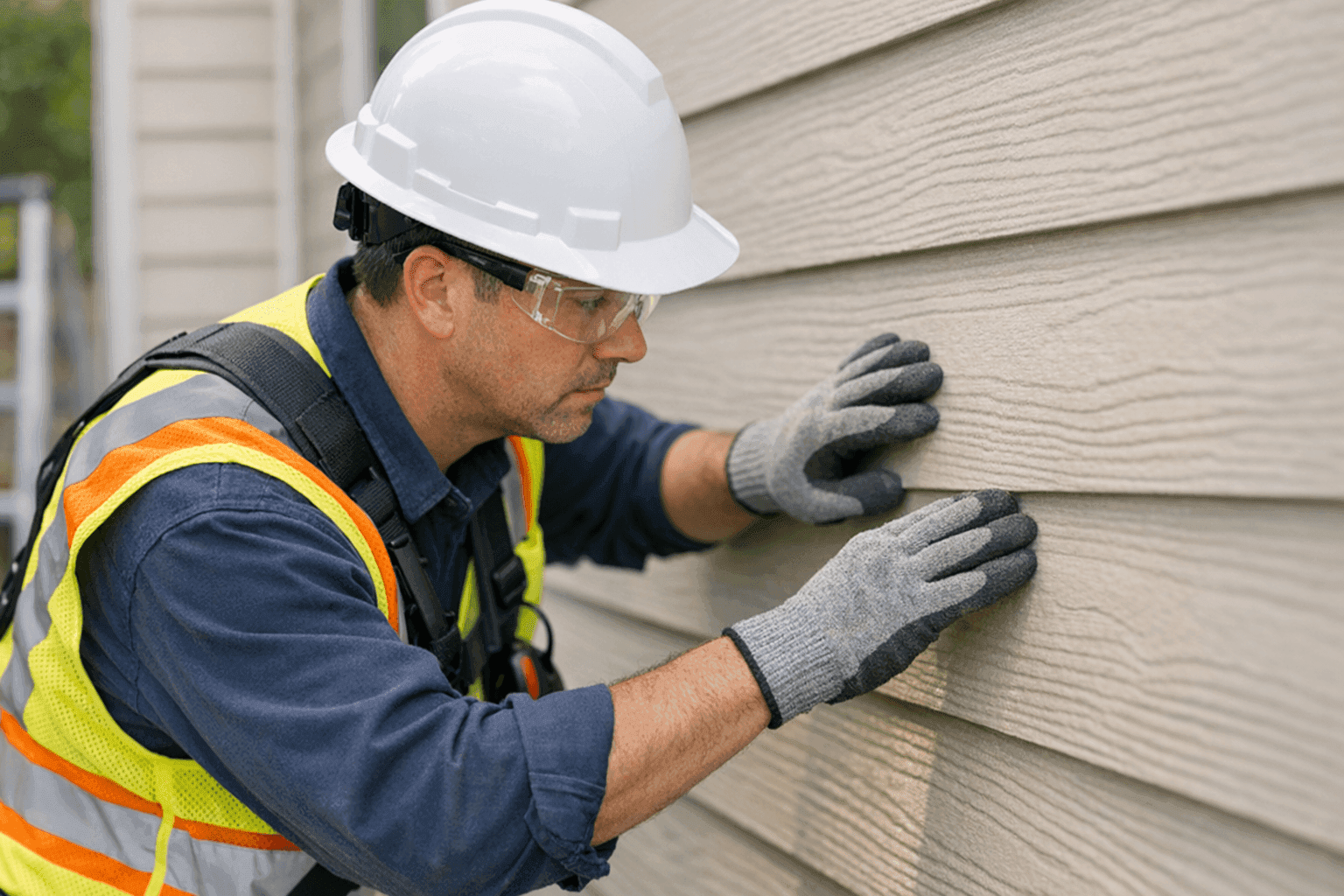
If your home or business siding is showing its age, you’re not alone. Maybe you’ve spotted a few cracks, a splash of mold, or even a loose panel after last night’s storm. The big question hits: is it time to repair—or do you need a complete siding replacement?
At J.B. Siding, we’ve seen it all. Our team helps homeowners and property managers weigh the real signs of trouble. Let’s break down how to decide what’s next for your exterior.
Signs Siding Can Be Repaired 🛠️
Not every blemish spells disaster. Many siding problems are like a chipped tooth—annoying but fixable. Here’s what to look for:
- Small cracks or dents: Localized damage often responds well to patching or panel replacement.
- Minor warping: Boards that pull away in just one spot can usually be refastened.
- Faded paint or stains: Cosmetic issues rarely mean structural trouble. Regular cleaning or painting can help.
- Loose trim or molding: These are usually quick repairs, restoring your curb appeal in a snap.
Structural vs. Surface Damage
Here’s the heart of the matter. Surface damage—like peeling paint or a loose piece of trim—is usually just skin deep. Structural damage digs deeper. Rot, mold under the panels, or soft spots when you press on the siding? Those hint at issues in the sheathing or framing underneath.
Local building codes (see International Residential Code) stress that underlying rot or pest damage means a more serious fix is needed. If you’re unsure, a professional siding inspection is the safest way to know.
When Replacement is Better
Think of siding like a winter coat. A patch or two is fine, but when it’s threadbare, it won’t keep out the cold or rain. Replacement makes sense when:
- Widespread cracking or warping stretches across several walls.
- Persistent moisture problems: Repeated leaks or mold mean the underlying system isn’t protecting your property.
- Energy bills rise: Poor insulation or drafts may signal siding that’s lost its seal.
- Storm or impact damage: Severe storms can leave panels beyond repair, especially after hail or high winds.
- Outdated materials: Old siding types may be unsafe (think asbestos) or impossible to match for repairs.
Warranty Issues
Check your siding’s warranty, if you have one. Manufacturer warranties often specify what’s covered and when replacement is recommended. Repairs might void coverage, especially if done incorrectly or with mismatched parts.
Quick Safety Checklist ⚠️
Before you inspect, protect yourself:
- Wear gloves and safety glasses.
- Use a sturdy ladder on flat ground.
- Check for live power lines nearby.
- Never investigate suspected mold or rot without a mask.
If you spot buckling panels, soft spots, or see daylight through the siding—call a professional before poking further.
DIY vs. Call a Pro
Some fixes are simple: a loose nail, a bit of caulk, or a splash of paint. Others, like hidden water damage, mean pulling apart layers or even repairing framing. Unless you have experience with exterior construction, most repairs and all replacements should be done by a trained crew.
For New Construction Siding near you, building codes require proper flashing, correct clearances, and ventilation—mistakes here can cost you thousands later.
What Pros Do On Arrival
A professional siding assessment isn’t guesswork. At J.B. Siding, our process includes:
- Visual inspection for cracks, gaps, and loose boards.
- Moisture meter readings to check for hidden water.
- Checking insulation and weatherproofing under the panels.
- Reviewing soffit, fascia, and gutter connections.
- Detailed report—no fluff, just facts.
This takes the guesswork out of your decision.
Prevention & Maintenance Tips
You can extend your siding’s life with a few routine steps:
- Clean your siding once or twice a year to remove dirt and prevent mold.
- Trim vegetation: Keep plants from rubbing or trapping moisture.
- Inspect after storms: Look for new dents or cracks right away.
- Keep gutters clear: Overflowing water is siding’s worst enemy.
Maintenance is your best defense against expensive surprises.
Cost Considerations
Pricing isn’t one-size-fits-all. Small repairs for a few panels? That’s like patching a tire—quick and affordable. Whole-home replacement? Think of it like re-roofing; it’s a bigger investment, but it pays off in protection and resale value.
- Repairs: Typically less expensive, especially for isolated damage.
- Replacement: Higher up front, but may lower energy bills and boost home value.
According to the Remodeling 2025 Cost vs. Value Report, quality siding replacement recoups a high portion of its cost at resale.
Long-Term Value
Repairs are a short-term fix when the rest of your siding is solid. But patching over old, failing materials is like taping a leaky hose—it only lasts so long.
- Modern siding (vinyl, fiber cement, metal) lasts decades with proper care.
- New insulation can be added at the same time, improving comfort and efficiency.
- Color and style upgrades can refresh your entire property’s look.
If you’re planning to sell or just want to avoid repeat headaches, replacement may be the smarter play.
Professional Assessment Steps
Wondering what happens during a siding repair or replacement assessment? Here’s what you can expect:
- Initial walkaround: Looking for visible trouble spots.
- Moisture check: Using meters to find hidden leaks or rot.
- Material analysis: Identifying your current siding type, age, and compatibility.
- Trim, soffit, and gutter check: Because these often hide early warning signs.
- Written recommendations: Clear, unbiased, and tailored to your needs.
When It’s an Emergency 🚨
Some siding problems can’t wait. These include:
- Panels blown off or hanging loose after a storm.
- Water leaking inside your property.
- Mold or fungus spreading quickly.
- Impact damage from vehicles or falling branches.
Immediate action helps prevent further structural damage. For urgent [emergency siding services], always call a pro—don’t risk your safety.
FAQ: Your Siding Questions Answered
How long does siding last?
Most quality siding lasts 20–40 years, but weather, maintenance, and type all play a role.
Can I replace one panel myself?
Small vinyl or wood panels can sometimes be swapped, but matching color and texture is tricky.
Is new siding noisy to install?
Expect some noise and dust, but a professional team works quickly and keeps disruptions minimal.
Will insurance cover my repair or replacement?
Depends on your policy and the cause—always check with your insurer and document any storm damage.
Timeline & Disruption
- Repairs: A few hours to a day for localized fixes.
- Full replacement: Most homes take 2–5 days, depending on size, material, and weather.
- Commercial projects: Larger scale may mean a week or more, with careful scheduling to minimize business impact.
Seasonal Considerations
Spring and fall are prime times for siding work—mild weather and fewer delays. Winter installs can be tricky due to temperature-sensitive materials and adhesives.
Materials & Equipment
Professional crews use:
- Moisture meters and levels
- Flashing, caulks, sealants
- Saws and nailers
- Safety harnesses for high walls
DIYers may lack the right tools for a safe, durable fix.
Common Mistakes
- Ignoring small leaks: They often hide bigger problems.
- Mismatched materials: Causes patchwork looks and can void warranties.
- Skipping inspections: Leads to missed rot or pest damage.
- Improper caulking: Traps water, causing more harm than good.
Siding for Every Property
Residential or commercial, every building needs a weather-tight shell. J.B. Siding offers solutions from classic wood to eco-friendly modern panels. For siding replacement, we help you choose materials and colors that last and look great.
If you're searching for a reliable siding contractor for your home or business, check out our work and services in Tempe for quality siding installation and repairs.
Making the right siding decision comes down to knowing what you see, weighing your options, and getting advice you can trust. Whether you need a quick repair or a full exterior makeover, J.B. Siding is ready to help.
Call J.B. Siding now — or reach us anytime at 855-598-5177 .