Siding Painting: When, Why, and How for a Lasting Finish
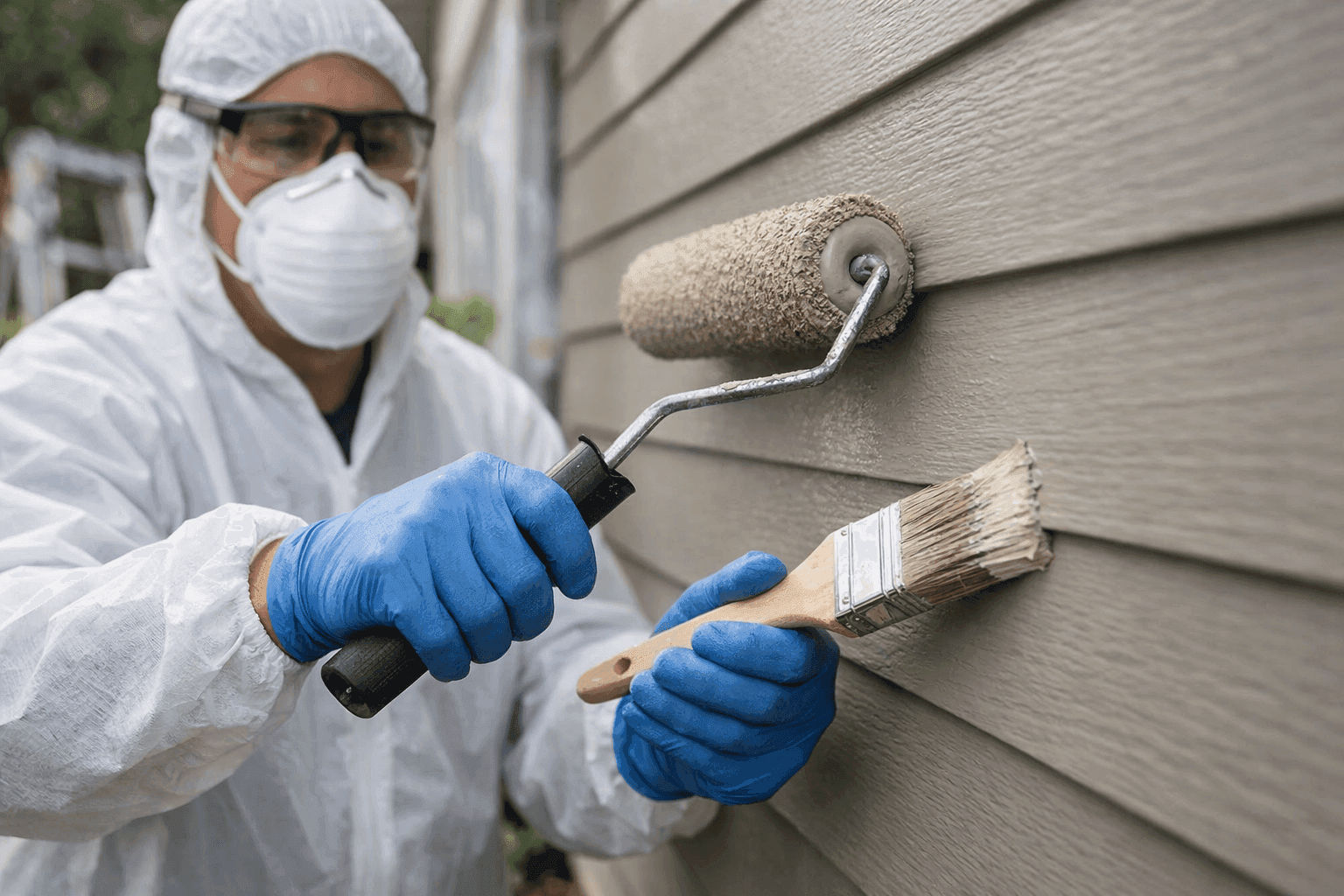
Painting your siding is a big step. It’s not just about curb appeal—it’s about protecting your home or business from everything the weather throws at it. Whether you’re eyeing scuffs from years gone by or dreaming of a bold new color, the right approach can make your siding last longer and look fantastic.
At J.B. Siding, we’ve seen what happens when siding is painted too soon, too late, or with the wrong products. Let’s walk through the essentials so your siding stands strong for seasons to come.
When to Paint Siding: Timing Is Everything ⏰
Not all siding wears its age the same way. Like a favorite pair of jeans, some types fade quietly, while others show every scratch. So when do you know it’s time for a new coat?
Look for these signs:
- Fading or chalky patches
- Peeling or bubbling paint
- Water stains or mildew
- Cracks in wood or warped panels
Most siding needs fresh paint every 5–10 years, though factors like sun exposure, previous paint quality, and climate can push that timeline. If you just had new construction siding near you, wait until the original finish truly needs it—don’t rush the first coat.
Choosing the Right Paint: More Than Just Color
Picking paint isn’t just about matching your favorite shade. It’s about choosing the right type for your siding material:
- Wood siding: Needs high-quality, flexible exterior latex or oil-based paint.
- Vinyl siding: Use vinyl-safe paints; dark colors can cause warping.
- Fiber cement: Acrylic paints provide solid coverage and durability.
- Metal siding: Specialized primers and paints prevent rust and peeling.
Always check manufacturer guidelines or siding material consultation for what’s best. The right paint grips your siding like a winter glove—tight, comfortable, built to last.
Prep and Application Steps: The Secret to a Lasting Finish 🛠️
Painting siding is a marathon, not a sprint. Skipping steps is like baking bread and forgetting the yeast.
Step-by-step prep:
- Inspection: Look for damaged or rotten panels. Siding repair first—painting over problems only hides them.
- Cleaning: Wash off dirt, mildew, and old residue. Power washing is great, but don’t blast water into seams.
- Sanding & Scraping: Remove peeling paint and smooth rough spots. For lead paint (pre-1978 homes), follow EPA safety guidelines.
- Caulking & Sealing: Fill gaps around trim, windows, and doors. Water sneaks in wherever it can.
- Priming: Bare wood, metal, or patched areas need primer. It’s the handshake between siding and paint.
Painting tips:
- Paint in dry, mild weather—ideally 50–85°F.
- Start at the top and work down.
- Use brushes for edges and rollers for big, flat sections.
- Two thin coats beat one thick one every time.
Common Painting Mistakes: Pitfalls to Dodge 🚫
Even seasoned DIYers can stumble. Here are some common missteps:
- Skipping prep: Paint won’t stick, and you’ll see bubbling or peeling fast.
- Wrong paint type: Siding can crack, warp, or discolor.
- Painting in damp or hot weather: Leads to streaks, blisters, or poor adhesion.
- Neglecting safety: Always use ladders safely. Wear protective gear for dust, fumes, and chemicals.
- Ignoring manufacturer’s warranty: Some siding warranties are voided by painting—always check first.
Maintenance: Keeping Painted Siding Looking Fresh
Fresh paint is only the beginning. Keep it clean and inspect it regularly—think of it as brushing your teeth, but for your building’s shell.
- Wash annually: Gentle soap and a garden hose work for most siding.
- Inspect for chips and cracks: Touch up as needed to prevent water damage.
- Trim shrubs and trees: Keep branches off siding to prevent scratches and mildew.
- Check caulk and flashing: Seal up gaps before leaks creep in.
- For more help, see our siding maintenance tips.
DIY vs. Professional Painting: Know Your Limits
Painting siding looks simple—until you’re halfway up a ladder and wrestling with a roller. Consider:
- Skill level: Uneven coats, drips, and missed spots are common for first-timers.
- Safety: High walls and two-story homes demand caution and the right gear.
- Warranty: Many siding manufacturers require professional painting to keep warranties valid.
If you’re unsure, a professional team has the tools, lifts, and experience to tackle even tall commercial jobs safely and efficiently.
Safety First: A Quick Checklist
Before you start:
- Confirm there’s no lead paint (test kits are available).
- Use sturdy ladders and fall protection for heights.
- Wear gloves, goggles, and masks as needed.
- Store paints and chemicals away from pets and kids.
Follow all local codes and OSHA guidelines for workplace safety.
Siding Warranties: What You Need to Know
Painting your siding can protect it—but it can also void your warranty if you use the wrong products or skip professional installation. Always:
- Review your siding’s manufacturer warranty in detail.
- Keep records of paint brands, colors, and contractor invoices.
- When in doubt, call the manufacturer or J.B. Siding for clarity.
Seasonal Considerations: Timing Your Project
Spring and early fall are prime painting times. Avoid:
- Rainy days (paint won’t cure).
- Humid summer afternoons (traps moisture).
- Freezing temps (paint cracks and never sets right).
A well-timed paint job means fewer headaches and a longer-lasting finish.
Storm Damage? When Painting Can’t Wait
Did a recent storm leave your siding battered or exposed? Quick action is key. Paint can seal out moisture and prevent rot—but only after repairs. For urgent needs, consider emergency siding services.
Painting Commercial Siding: What’s Different?
Commercial properties face more foot traffic, parking lot grime, and sun exposure. A professional-grade finish, proper prep, and periodic inspections keep your business looking sharp and protected.
Frequently Asked Questions
How long does siding paint last?
Most jobs last 5–10 years, depending on siding type, prep, and paint quality.
Can I change my siding color dramatically?
Yes, but check with your siding manufacturer—some vinyl can warp if painted too dark.
Is painting cheaper than replacing siding?
Usually, yes. But if your siding is damaged or very old, replacement might make more sense.
Will painting affect my property value?
Fresh, modern colors can boost curb appeal and value—especially when done professionally.
Signs It’s Time for Professional Help
- Peeling, bubbling, or cracking paint reappears soon after DIY attempts
- Siding shows signs of rot, warping, or water damage
- Tall or multi-level buildings require extensive ladder work
- You’re unsure about color, paint type, or warranty coverage
Timeline & Disruption: What to Expect
A typical residential job takes 2–5 days, depending on weather and prep needs. Commercial projects may run longer but can often be scheduled to minimize disruption to your business.
Materials & Equipment: What You’ll Need
- Exterior-grade paint (matched to your siding type)
- Primer (for bare areas or repairs)
- Rollers, brushes, extension poles
- Caulk and sealant
- Ladders or scaffolding
- Drop cloths, painter’s tape, safety gear
Professional painters bring commercial-grade sprayers and know-how that make large jobs more efficient.
Final Thoughts: Protect and Beautify Your Siding for Years
Painting siding is more than a weekend project—it’s an investment in your property’s future. With the right prep, paint, and ongoing care, you’ll enjoy years of beauty and protection. Have questions or need professional help? Call J.B. Siding now — or reach us anytime at 855-598-5177 .