Siding for New Construction: What Builders and Homeowners Need to Know
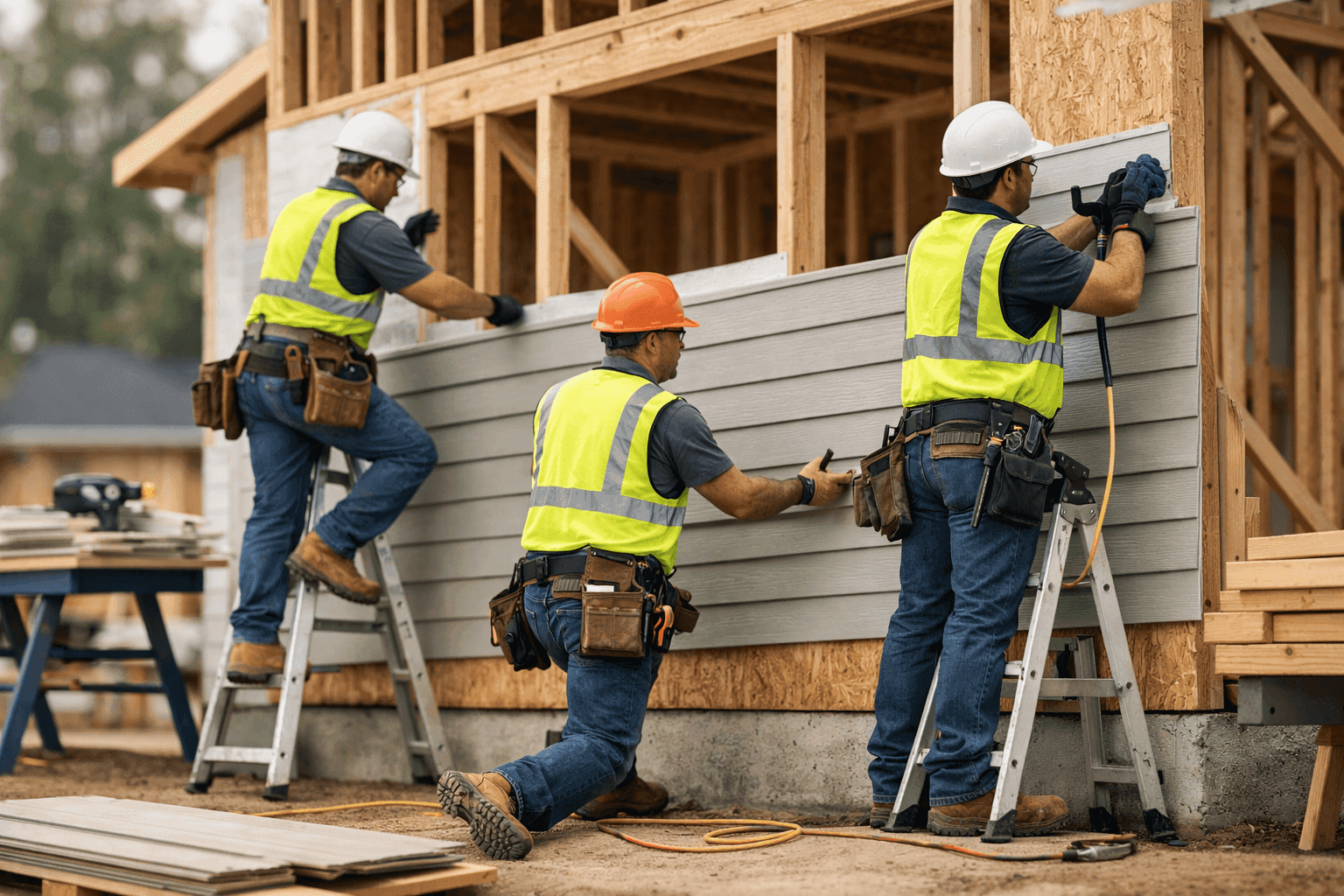
Building a new home or commercial property sparks excitement—and a mountain of decisions. Siding may not be the first thing you think about, but it’s what people see first and what shields your investment from the elements. The right siding choice now means fewer headaches (and repairs) later.
At J.B. Siding, we help builders and homeowners navigate the maze of modern siding options, project timelines, and code requirements. Here’s what you need to know to get it right from the start.
Siding Choices for New Construction
Choosing siding is like picking the skin for your building. It needs to look good, fit the climate, and stand up to daily wear.
- Vinyl Siding: Affordable, low-maintenance, and available in just about any color. It’s the popular choice for many residential projects.
- Fiber Cement: Resists fire, pests, and rot. It’s heavier, but its durability is hard to beat.
- Wood Siding: Classic charm for homes and boutique businesses. Maintenance is higher, but the curb appeal is real.
- Stucco, Metal, Eco-Friendly Options: Each has unique benefits for specific climates or sustainability goals.
Not sure which fits your vision? Our siding material consultation helps you weigh the pros and cons for your specific build.
Installation Timeline: What to Expect ⏳
Siding installation isn’t a sprint—it’s a relay in your construction timeline. Here’s how it usually unfolds:
- Prep Work: After the framing, we inspect for a solid, weather-ready structure.
- Material Delivery: Order ahead to avoid delays—supply chain snarls can sneak up.
- Installation: Most homes take 1–2 weeks, weather permitting. Larger commercial projects may run longer.
- Final Inspection: A thorough check ensures everything’s sealed, secure, and up to code.
Tip: Ask your builder for a schedule. Knowing when siding crews arrive can help avoid trades tripping over each other.
Building Code Compliance
Local building codes aren’t just red tape—they’re your safety net. Codes cover everything from fire resistance to energy efficiency and weatherproofing. The International Building Code (IBC) and International Residential Code (IRC) set the standards, but local rules may add more layers.
- Permits: Always required for new construction siding near you. Your builder typically handles this, but double-check.
- Inspections: Expect at least one city or county inspection before closing up your walls.
Miss a requirement, and you could face costly do-overs. Our siding consultation keeps your project on the straight and narrow.
Working with Your Builder
Good communication is the glue of any construction project.
- Clarify Roles: Who orders materials? Who schedules inspections? Who signs off on finished work?
- Share Your Vision: Show photos or samples. The clearer your expectations, the fewer surprises.
- Stay Involved: Walk the site. Ask questions. It’s your investment—never feel shy about double-checking details.
Remember, the best results come when you, your builder, and your siding professionals pull together as a team.
Common Pitfalls in New Construction Siding 🚩
Even experienced teams can stumble. Watch out for these classic traps:
- Rushing the Prep: Skipping proper weather barriers or flashing can lead to leaks.
- Wrong Material for the Climate: Not all siding stands up to every region’s storms, sun, or freeze-thaw cycles.
- Ignoring Ventilation: Poor attic or wall ventilation can trap moisture and trigger mold or rot.
- Color Regrets: Siding color looks different in daylight versus a showroom. Always review large samples on site.
Planning ahead—and working with a team that sweats the details—saves hassle down the road.
Safety Checklist for New Construction Siding
Safety isn’t just for the pros. It matters to homeowners and project managers, too.
- Proper Gear: Hard hats, eye protection, and gloves are non-negotiable on active sites.
- Secure Work Areas: Ladders and scaffolding must be stable and set on solid ground.
- Material Handling: Heavy siding panels (like fiber cement) require two people or special lifts.
Refer to OSHA’s construction safety guidelines for more on jobsite protocols.
Should You DIY or Call a Pro?
Siding looks straightforward, but mistakes can snowball. A single missed flashing can turn into a costly water leak.
- DIY: Possible with vinyl or small repairs, if you have the right tools and a steady hand.
- Professional Help: Essential for new builds, complex materials, or custom designs.
Most builders and homeowners trust teams like J.B. Siding for new construction siding near you—because experience is the best insurance.
What the Pros Do When They Arrive
When our crew steps onto a new build, here’s what happens:
- Site Walkthrough: Verify measurements, check for obstacles, and plan material staging.
- Moisture Barriers First: Install housewraps or vapor shields to block wind and water.
- Precision Cuts: Every panel and trim piece is custom-fit for your project.
- Attention to Details: Flashing, caulking, and sealing—these small touches guard against big problems.
We treat each home or business as if it were our own.
Prevention and Maintenance Tips
Great siding starts strong—but it also needs care.
- Annual Inspections: Look for cracks, loose panels, or caulk gaps.
- Cleaning: Gentle washes prevent mold and keep colors bright.
- Quick Repairs: Address storm or impact damage fast to avoid further issues.
A little maintenance goes a long way in keeping your siding looking new.
Costs and Time Factors
Budgeting for siding means balancing up-front costs with long-term durability.
- Material Choice: Vinyl and metal are generally more affordable. Wood and fiber cement cost more but may last longer.
- Labor: Complex designs or multi-story buildings take more time (and labor).
- Weather Delays: Rain or snow can push back timelines, so build in a buffer.
Ask for a detailed estimate, and talk through any budget concerns with your builder early.
When It’s an Emergency
Bad weather can hit before you’re finished. If siding is damaged or missing, quick action is key:
- Tarp Exposed Areas: Protect unfinished walls from rain or wind.
- Contact Pros Immediately: Emergency siding services are available for urgent repairs.
Fast fixes now prevent bigger headaches later.
Seasonal Considerations
Different seasons change how siding performs during and after installation.
- Summer: Heat can make some materials expand or soften. Installers must leave space for movement.
- Winter: Cold temps make vinyl brittle. Scheduling may need to wait for a warm spell.
- Storm Season: Plan for extra inspections and fast responses if weather hits.
Talk to your builder about the best season for your local climate.
Common Mistakes and How to Avoid Them
Even the best teams can slip up. Here’s what to watch for:
- Improper Nailing: Nails driven too tight can warp panels. Too loose, and they’ll rattle in the wind.
- Skipping Flashing: Water finds every gap. Flashing around windows and doors is essential.
- Wrong Caulk: The wrong sealant breaks down fast—use high-quality, paintable caulk rated for exteriors.
If you spot something that doesn’t look right, ask your siding team to explain it.
Signs of Trouble After Installation
Keep an eye out after move-in:
- Wavy or Buckled Panels: Usually from improper installation or temperature changes.
- Water Stains Inside: Could signal a leak behind the siding.
- Loose Trim: Wind or settling can loosen moldings—fix promptly to avoid bigger repairs.
Annual siding inspections help catch small problems before they grow.
Planning for Longevity
Siding isn’t just a finishing touch—it’s your home or building’s armor. The best results come from careful planning, quality materials, and seasoned professionals.
- Ask for Warranties: Understand what’s covered and for how long.
- Document Everything: Keep material specs, color codes, and contractor info on file.
- Schedule Regular Maintenance: Protect your investment year after year.
Next Steps for Your Siding Project
Ready to move forward? A little planning now avoids stress later. If you’re considering siding for your new build, or want inspiration for siding options in Meridian, you’re already one step ahead.
Call J.B. Siding now — or reach us anytime at 855-598-5177 .