Siding Inspection Checklist: What Pros Look For
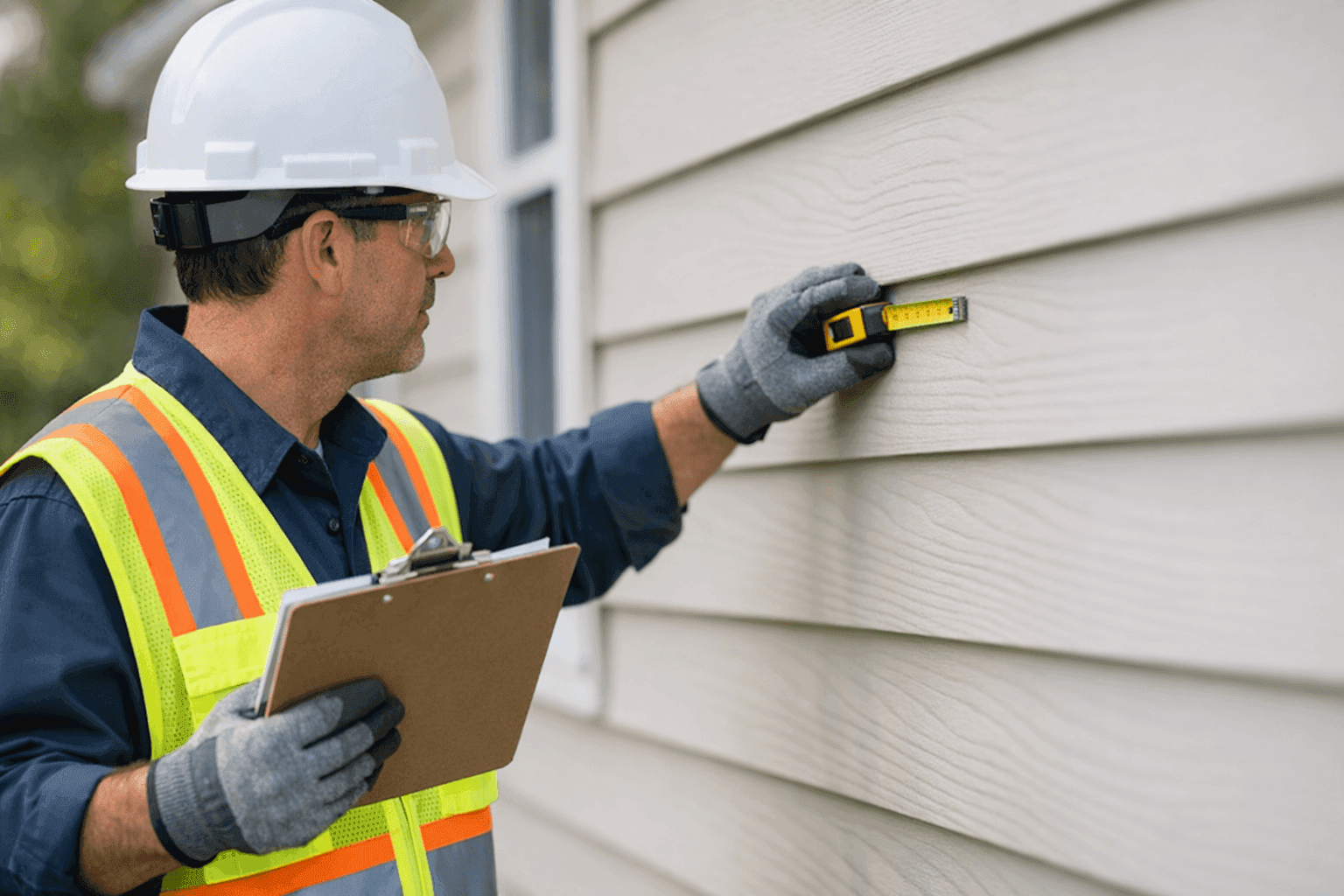
Does your siding look tired? Maybe it’s hiding a secret. Small cracks, loose panels, or warped boards can sneak up—turning into costly repairs before you know it. At J.B. Siding, we know how quickly a minor issue can grow. That’s why a thorough siding inspection is essential for homes and commercial buildings alike.
Your siding stands between you and the elements. It deserves a careful eye. Here’s how a pro approaches siding inspection—step by step.
Why Inspect Siding? 🏠
Think of your siding like armor for your building. It shields the structure from rain, wind, and pests. Over time, even the toughest materials wear down. Inspections catch problems early, saving you money and stress.
- Moisture trapped behind panels can lead to rot and mold.
- Small gaps invite insects and critters.
- Hidden cracks threaten insulation and efficiency.
- Damaged siding hurts curb appeal—and property value.
Regular inspections don’t just find damage—they help extend your siding’s lifespan, whether it’s for a new construction siding project near you or an older building that needs some TLC.
What Pros Look For
A siding inspection isn’t just a quick walk-around. It’s a top-to-bottom, hands-on process. Here’s what our team checks:
- Surface Damage: Chips, cracks, splits, and dents.
- Panel Movement: Warping, buckling, or loose boards.
- Moisture Issues: Water stains, mildew, or bubbling paint.
- Fastener Health: Missing nails, screws, or rusted hardware.
- Seal Failures: Caulking gaps around windows, doors, and joints.
- Flashing Condition: Are edges protected from water intrusion?
- Ventilation: Proper airflow in soffits and behind siding.
- Trim & Molding: Integrity and tightness.
- Gutter Performance: Overflow or leaks that impact siding.
Every material—vinyl, wood, fiber cement, metal, or stucco—has its own trouble spots. We tailor our inspection to your siding type.
Common Trouble Spots
Some areas are more likely to show wear:
- Bottom edges: Closest to splash-back from rain.
- Corners: Where movement and impact happen most.
- Around windows and doors: Frequent caulking failures.
- Transitions: Where siding meets roofing, trim, or masonry.
- Near gutters and downspouts: Water can sneak behind panels.
Pro tip: The smallest opening can let water in. That’s why we check every joint, seam, and cut edge.
Tools Used in Inspections 🛠️
Siding inspectors don’t just rely on sharp eyes. Here’s what’s in the toolkit:
- Moisture meter: Detects hidden dampness behind siding.
- Probe or awl: Gently tests wood for rot.
- Level: Checks for warping or bulging panels.
- Binoculars: For high or hard-to-reach areas.
- Ladders: To get up close—never just a sidewalk glance.
- Flashlight: Reveals issues in shadows or behind trim.
- Camera: Records problem spots for your report.
These tools help us see what others miss.
Reporting and Next Steps
After the inspection, you’ll get a clear, detailed report. No confusing jargon. Just:
- Photos of issues found
- Descriptions in plain language
- Recommendations for repairs, siding maintenance, or upgrades
We’ll prioritize what needs fixing now versus what can wait. You’ll know exactly where you stand.
If repairs are needed, our team can help with siding repair or ongoing siding maintenance, tailored to your property.
DIY vs. Call a Pro
Some homeowners like to take a look themselves. That’s great! But a professional eye spots things you might not. Pros know the warning signs, the codes, and the shortcuts that can create big headaches down the road.
If you see:
- Persistent moisture
- Soft or spongy spots
- Gaps or visible fasteners
- Peeling paint or mildew smell
—it’s time to bring in a specialist.
Quick Safety Checklist
Safety matters. Here’s what we always do—and what you should too, if you’re inspecting:
- Wear gloves and sturdy shoes.
- Use ladders on level ground.
- Don’t climb on wet or icy surfaces.
- Watch for wasp nests or hidden critters.
- Never remove siding without proper tools or training.
OSHA’s guidelines for ladder use and fall protection aren’t just for big jobs—they keep everyone safe.
Prevention & Maintenance
Routine siding inspections are like oil changes for your car. They keep everything running smoothly and prevent breakdowns.
- Clean your siding at least once a year.
- Trim back bushes and trees.
- Check caulking in spring and fall.
- Watch gutters after heavy rain.
These small steps add years to your siding’s life.
When It’s an Emergency
Some issues can’t wait:
- Water inside your walls or basement
- Siding peeled back after a storm
- Mold spreading fast
- Severe cracks or holes
Call right away if you spot any of these. Emergency siding services keep minor damage from becoming a disaster.
Materials Matter
Each siding material brings unique strengths—and weaknesses:
- Vinyl: Prone to cracking in cold or fading in sun.
- Wood: Needs regular painting and sealing.
- Metal: Can dent, especially near ground level.
- Fiber cement: Tough, but heavy and needs proper flashing.
- Stucco: Watch for cracks that let water in.
We inspect based on your specific material, following manufacturer guidelines and industry codes (like those from the International Building Code).
Costs, Time, and Disruption
A standard inspection usually takes 1–2 hours, depending on property size and complexity. Repairs vary: a quick caulk job might take minutes, while replacing damaged boards could be a half-day project.
Maintenance is always less expensive than waiting for rot or water damage. Think of it as insurance for your curb appeal and peace of mind.
Timeline & What to Expect
Here’s how a professional siding inspection with J.B. Siding works:
- Schedule your visit (we work around your calendar).
- On arrival, we walk the property—inside and out if needed.
- We check all siding types, trim, gutters, and ventilation.
- You get a clear, illustrated report—usually within 24 hours.
- We help you plan any needed repairs or upgrades.
You stay in control, every step of the way.
Common Mistakes to Avoid
- Ignoring small issues (“It’s just a little crack”)
- Skipping annual checks
- DIY repairs without understanding materials
- Using the wrong caulk or paint
- Blocking ventilation with stored items or landscaping
These shortcuts can cost you later. When in doubt, ask for a professional opinion.
Seasonal Considerations
Spring and fall are the best times for inspections. You catch problems after winter’s freeze-thaw or summer’s heat. But after any major storm—hail, wind, or heavy rain—it pays to check right away.
Don’t forget: Humid summers and snowy winters both test your siding’s defenses.
FAQ: Your Siding Inspection Questions
How often should I have siding inspected?
At least once a year, and after severe storms.
Is it worth inspecting new siding?
Yes—installation errors sometimes hide beneath the surface.
Can siding issues affect energy bills?
Absolutely. Gaps and cracks let in drafts, costing you in heating and cooling.
What about commercial buildings?
Businesses need inspections too—especially with high-traffic areas or stricter codes.
Learn More About Quality Siding Installation
If you’re curious about siding upgrades, check out our guide to wood siding installation for lasting curb appeal in Woodlawn. It’s packed with tips for choosing the right look and ensuring your siding stays strong.
Ready for Your Siding Inspection?
A proper siding inspection is the secret to protecting your investment. Whether you need emergency help, routine maintenance, or a second opinion, J.B. Siding is here with practical advice and skilled hands.
Call J.B. Siding now — or reach us anytime at 855-598-5177 .