Siding Flashing Repair: Protecting Your Home from Leaks
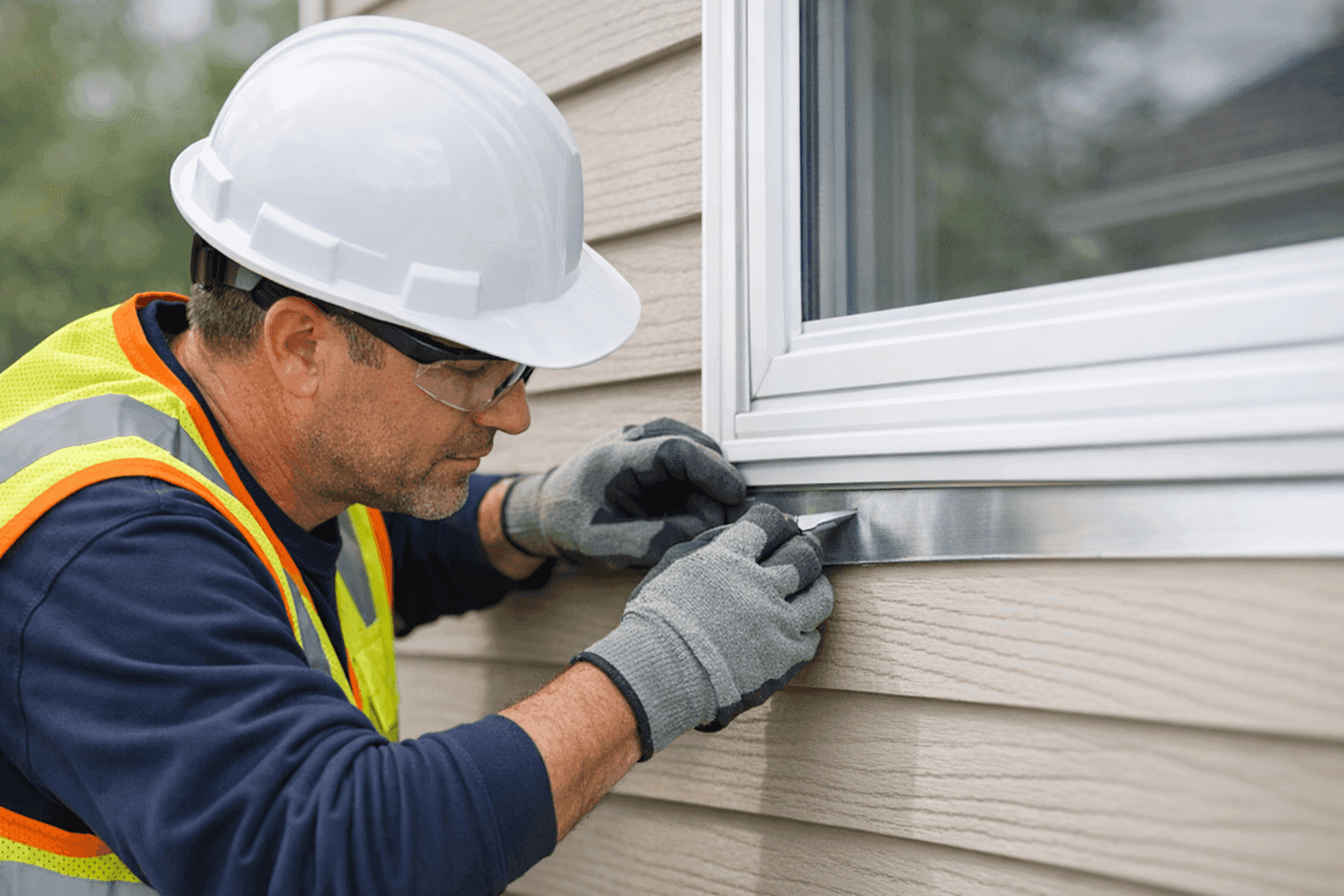
Is your home safe from water sneaking in where it shouldn’t? Many leaks start quietly—hidden behind siding, flashing, and trim. By the time you see stains or peeling paint, water may have already found its way inside.
At J.B. Siding, we’ve seen firsthand how small flashing failures can become big, expensive headaches. Whether you’re a homeowner or a property manager, understanding siding flashing repair could save you money, time, and stress.
What is Siding Flashing? 🏠
Think of siding flashing as an umbrella for your walls. It’s a thin layer—usually metal or waterproof material—that guides water away from seams, edges, and joints. You’ll find flashing around windows, doors, roofs, and anywhere siding meets another surface.
Proper flashing is essential for:
- Deflecting rainwater and melting snow
- Keeping moisture out of wall cavities
- Preventing rot, mold, and costly structural damage
Building codes (like those from the International Residential Code) require flashing in most siding systems. Without it, even the best siding can’t keep your walls dry.
Signs of Flashing Failure
How do you know if your flashing isn’t doing its job? Watch for these red flags:
- Water stains or bubbling paint indoors
- Visible rust or gaps at siding joints
- Peeling caulk or missing sealant
- Mold, mildew, or musty smells near walls
- Warped, cracked, or loose siding panels
Sometimes, the signs are subtle. A small drip during storms. A draft near a window. These clues often mean water is sneaking past the flashing.
The Hidden Risks of Ignoring Leaks
Water is patient—and relentless. Left unchecked, a minor flashing issue can lead to:
- Rotting wall studs and sheathing
- Mold growth, impacting health and safety
- Insulation damage and rising energy bills
- Costly repairs to siding, drywall, and framing
In multi-story buildings or commercial properties, leaks can spread further and faster. Acting early is key to protecting your investment.
Quick Safety Checklist Before Inspection
Before you check your siding and flashing:
- Wait for dry weather. Wet surfaces are slippery.
- Wear gloves and eye protection—flashing edges are sharp.
- Use a sturdy ladder on level ground.
- Watch for electrical wires and keep tools away from power lines.
If you’re not comfortable with heights or spotting hidden leaks, it’s best to call a professional.
How Siding Flashing Repairs Are Done
Repairing siding flashing is part science, part craftsmanship. Here’s how pros like J.B. Siding tackle the job:
- Assessment: Carefully inspect the area for visible and hidden damage. This may involve removing small sections of siding.
- Removal: Take out old, corroded, or failed flashing. Clean away debris and old caulk.
- Replacement: Install new metal or waterproof flashing, overlapping it correctly to direct water out and away.
- Sealing: Apply high-quality caulk or sealant along edges and seams.
- Siding Reinstallation: Replace and secure siding panels, checking for a tight, weatherproof fit.
Following manufacturer instructions and building codes is critical. Poor installation can trap water instead of guiding it away.
Common Mistakes to Avoid
Even handy homeowners can miss the mark with flashing. Some frequent errors include:
- Using the wrong type of flashing material
- Failing to overlap pieces properly
- Skipping sealant or using low-quality caulk
- Not sloping flashing away from the wall
- Covering flashing with insulation or trim
These shortcuts may save time today but often lead to bigger repairs tomorrow.
DIY vs. Calling a Pro: What’s at Stake?
Siding flashing repair seems simple on the surface. But like patching a hole in an umbrella, a quick fix can fail at the next downpour.
DIY repairs may work for tiny, accessible spots. But most flashing issues hide behind layers of siding, trim, or waterproof barriers. Without the right tools or experience, you risk:
- Missing hidden leaks
- Damaging siding or windows
- Voiding manufacturer warranties
- Creating long-term water traps
Professional repair goes deeper. At J.B. Siding, our team inspects the whole system—siding, underlayment, insulation, and more. We use proven materials and techniques to fix the root cause, not just the symptoms. That’s why so many trust us for siding-flashing-repair and related siding needs.
What Pros Do On Arrival
When J.B. Siding arrives for a flashing repair, you can expect:
- A thorough exterior and (if needed) interior inspection
- Moisture detection with specialized tools
- Honest recommendations—repair only what’s needed
- Minimal disruption to your home or business
- Cleanup of all work areas
We’ll also check for related issues, such as loose gutters or poorly sealed vents, that could be inviting water inside.
Protecting Against Future Leaks
A good repair is only part of the solution. To keep leaks from returning:
- Schedule regular siding inspections—especially after storms
- Keep gutters and downspouts clear (clogged gutters overflow and soak siding)
- Replace cracked or missing caulk around windows, doors, and trim
- Watch for animal or insect activity under siding—pests can widen gaps
For new homes or commercial buildings, ask about “New Construction Siding near you” that includes proper flashing and waterproofing from the start.
Emergency Siding Flashing Repairs
Water pouring in during a storm? That’s an emergency. Quick action can limit damage:
- Move furniture and valuables away from wet walls
- Catch drips in buckets or towels
- Call a siding repair professional right away
We offer emergency siding services for urgent situations, day or night.
Siding Flashing and Weatherproofing
Flashing isn’t just for leaks. It’s a key part of siding weatherproofing. Properly installed, it keeps wind-driven rain, snow, and even pests outside—where they belong.
Weatherproofing upgrades may include:
- Enhanced flashing around vulnerable areas
- Upgraded caulking and sealant
- Improved siding overlaps and trims
These measures can help your property meet or exceed local building codes and energy standards.
Costs and Timeline: What to Expect
Most siding flashing repairs are affordable—especially compared to the cost of repairing rot or mold. Factors that affect price and timing:
- Extent of the damage
- Siding type (vinyl, wood, fiber cement, metal, stucco)
- Accessibility (single-story vs. multi-story)
- Need for matching colors or custom materials
A typical repair might take a few hours to a day. Major restoration projects, or jobs after major storms, can take longer.
Seasonal Considerations for Siding Flashing
Spring and fall are great times to inspect and repair siding flashing. Winter ice and summer storms can both exploit even small vulnerabilities.
- After heavy rain or melting snow, check for new stains or leaks inside.
- Before winter, re-caulk and seal as needed.
- Clear leaves and debris from gutters every season.
Frequently Asked Questions
How often should flashing be inspected?
At least once a year—or after any major storm. Older homes may need more frequent checks.
Can I just re-caulk instead of replacing flashing?
Caulk is a support, not a substitute. If the flashing itself is damaged or missing, it needs replacement.
Is flashing needed with all siding types?
Yes. Whether vinyl, wood, metal, or fiber cement, every siding system relies on flashing for leak prevention.
Serving Your Community with Reliable Siding Solutions
J.B. Siding is proud to help homeowners and businesses keep their properties dry, safe, and beautiful. Need help with siding, flashing, or weatherproofing? Learn more about our full range of siding services for Bloomington siding installation and repair—we’re here whenever you need us.
Ready to Stop Leaks Before They Start?
Don’t wait for moisture to do its worst. Protect your home or commercial property with professional siding flashing repair and maintenance.
Call J.B. Siding now — or reach us anytime at 855-598-5177 .