Why Siding Caulking and Sealing Matter for Every Home
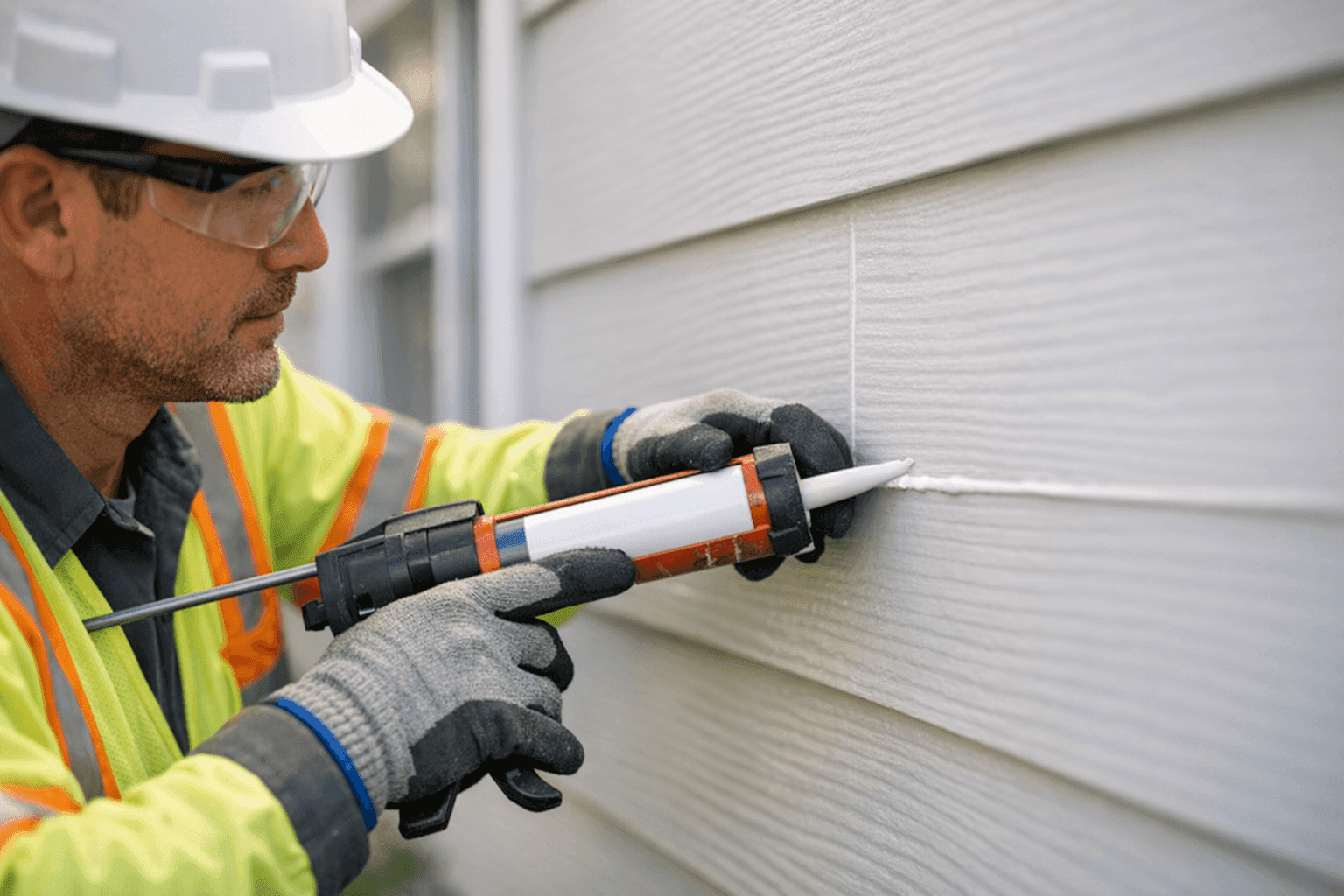
Is your home’s siding ready for another season of rain, wind, and temperature swings? It’s easy to overlook those thin lines of caulk and sealant—but they’re the silent defenders standing between your home and the elements.
At J.B. Siding, we know that a well-sealed exterior is more than curb appeal. It’s peace of mind, protection, and lower energy bills. Whether your building is brand new or decades old, proper siding caulking and sealing are essential.
What is Siding Caulking and Sealing? 🏠
Think of caulking and sealing as the weatherproof jacket for your home. Where siding panels meet, where trim hugs the corners, or where pipes poke through—these are weak spots. Caulking fills the tiny cracks and seams. Sealing adds a protective barrier, making water bead up and roll away instead of sneaking inside.
This careful work keeps out rain, wind, insects, and dust. For both new construction siding and older homes near you, it’s a must-have layer of defense.
Why It’s Critical for Home Health
A leaky seam is more than an eyesore. Water seeps behind your siding, rotting wood, feeding mold, and even threatening your insulation. The U.S. Department of Energy highlights how gaps in your envelope can waste up to 30% of your heating and cooling energy.
Proper caulking and sealing:
- Block drafts and lower your utility bills
- Keep moisture out, stopping rot before it starts
- Deter pests looking for an easy entrance
- Extend the life of your siding and trim
It’s not just about looking good. It’s about keeping your investment strong for years to come.
Common Problem Areas
Some parts of your home are more prone to trouble. Watch these spots closely:
- Window and door frames
- Where siding meets brick or stone
- Corners and joints between different siding materials
- Spots where pipes, wires, or vents exit the wall
- Under eaves, soffits, and fascia boards
If you see cracks, peeling, or gaps, it’s time for action.
The Energy Savings You Can Feel
Ever notice a draft near your walls, even when windows are shut tight? Gaps around siding and trim leak precious conditioned air. Sealing up these trouble zones is like putting a stopper in a leaky rowboat—suddenly your home holds temperature better.
The EPA’s ENERGY STAR program recommends sealing exterior gaps to boost comfort and slash energy bills. Homeowners in climates with big seasonal swings see the biggest gains.
How Pros Seal Siding
At J.B. Siding, we don’t take shortcuts. Here’s how a siding professional approaches caulking and sealing:
- Thorough Inspection: We walk the exterior, checking every seam, joint, and penetration. This includes siding, trim, soffit, and flashing.
- Removal of Old Caulk: Old, cracked, or peeling material must go. A fresh bond is only possible on clean, sound surfaces.
- Surface Prep: We clean away dirt, dust, and mildew. Sometimes, a siding cleaning is in order before repairs.
- High-Quality Materials: We select caulks and sealants rated for your siding type—vinyl, fiber cement, wood, or metal.
- Skilled Application: Smooth, even beads. Firm pressure. No gaps or weak spots left behind.
- Final Check: After curing, we inspect again, ensuring every seam is tight.
See our Siding Caulking and Sealing service for more details on our approach.
Signs You Need Resealing
Not sure if your home is due? Watch for:
- Visible cracks or gaps in caulk along siding and trim
- Flaking, peeling, or missing caulk
- Drafts or cold spots along exterior walls
- Water stains, mold, or musty smells indoors
- Insect trails or signs of pests near joints
If you notice any of these, it’s time to act before small leaks turn into major headaches.
DIY or Call a Pro? 🤔
A handy homeowner can tackle small repairs. But getting every seam right—especially on a tall or complex exterior—takes real skill. Professional siding crews have the tools and ladders for hard-to-reach spots, and they know which products match your siding.
- DIY: Good for small, accessible gaps, using exterior-grade caulk.
- Pro: Best for multi-story homes, commercial properties, or when old caulk is failing everywhere.
Not sure? A quick siding inspection can give you answers and peace of mind.
Common Mistakes That Cost You
We’ve seen it all—here are the usual suspects:
- Using interior caulk outside (it won’t last)
- Skipping surface prep, so new caulk won’t stick
- Overfilling or underfilling gaps
- Caulking places that should be left open for drainage (like some siding bottom edges)
- Ignoring manufacturer and code guidelines
Always follow best practices and local building codes. The International Residential Code (IRC) offers guidance for proper weatherproofing details.
Seasonal Considerations
Spring and fall are the best times for siding caulking and sealing. Temperatures aren’t too hot or cold, so materials adhere properly. Avoid wet days—moisture is the enemy of a good seal.
After storms, check your siding for fresh gaps or cracks. Quick repairs keep the weather out and expenses down.
Siding Caulking and Storm Damage
Heavy wind and flying debris can pull siding loose or open up seams. After a storm, walk your property. If you spot new gaps or moisture signs, call for emergency siding services right away.
Siding Types: What’s Different?
Vinyl, fiber cement, wood, metal, and stucco siding all have their own quirks. Vinyl may shift with temperature. Wood expands and contracts. Each requires specific caulks and techniques. That’s why siding material consultation is so important before repairs.
Maintenance Tips for Lasting Results 🛠️
- Inspect siding and trim twice per year—spring and fall are ideal.
- Clean siding before applying new caulk.
- Use only exterior, paintable, flexible caulk.
- Don’t forget the soffit, fascia, and underside of eaves.
- Address leaks, drafts, or pest activity promptly.
Regular maintenance prevents expensive repairs down the road.
When to Call for Emergency Siding Services
If you see water pouring in around windows, hear siding panels flapping in the wind, or spot major gaps after a storm, it’s time for urgent help. Fast action stops further damage and protects your home’s structure.
Costs and Time Factors
The cost of siding caulking and sealing varies by home size, siding type, and the extent of repairs needed. For most homes, it’s a fraction of what water damage or energy loss could cost. Most standard jobs finish within a day or two, minimizing disruption.
What to Expect During Service
A professional team will arrive on time, with all the gear needed:
- Drop cloths to protect your landscaping
- Ladders or scaffolds for tall spots
- Industrial-grade caulks and sealants
- Careful, tidy application
- A walk-through with you at the end
Your home will be buttoned up, ready for whatever the weather brings.
Resealing Timeline and Disruption
Most jobs are quick and clean. You may need to keep pets or small children indoors during work hours, but you’ll have full use of your property by day’s end. New caulk usually cures within 24 hours, depending on temperature and humidity.
Preventing Damage Before It Starts
A stitch in time saves nine. Regular siding caulking and sealing, paired with siding weatherproofing, keeps your home protected season after season. Think of it as a small investment with big returns.
FAQ: Siding Caulking and Sealing
How often should I check my siding caulk?
Twice a year, plus after major storms.
Can I paint over new caulk?
Yes—once it cures. Use paintable, exterior-grade caulk.
What’s the best caulk for my siding type?
It depends. Ask a siding pro or consult manufacturer guidelines.
Will sealing fix drafts and leaks for good?
It solves most issues, but regular checks are still important.
Ready to Protect Your Home?
Don’t wait for the next storm to find out your siding isn’t sealed tight. If you’re searching for “New Construction Siding near you” or want a siding pro who cares about every detail, J.B. Siding is here to help. For residential and commercial siding solutions—including caulking, sealing, and repairs—reach out today.
Looking for siding services in your area? Visit our Highlands Ranch siding experts for reliable help on any exterior project.
Call J.B. Siding now — or reach us anytime at 855-598-5177 .