How Siding Affects Home Insurance: What to Know Before Upgrading
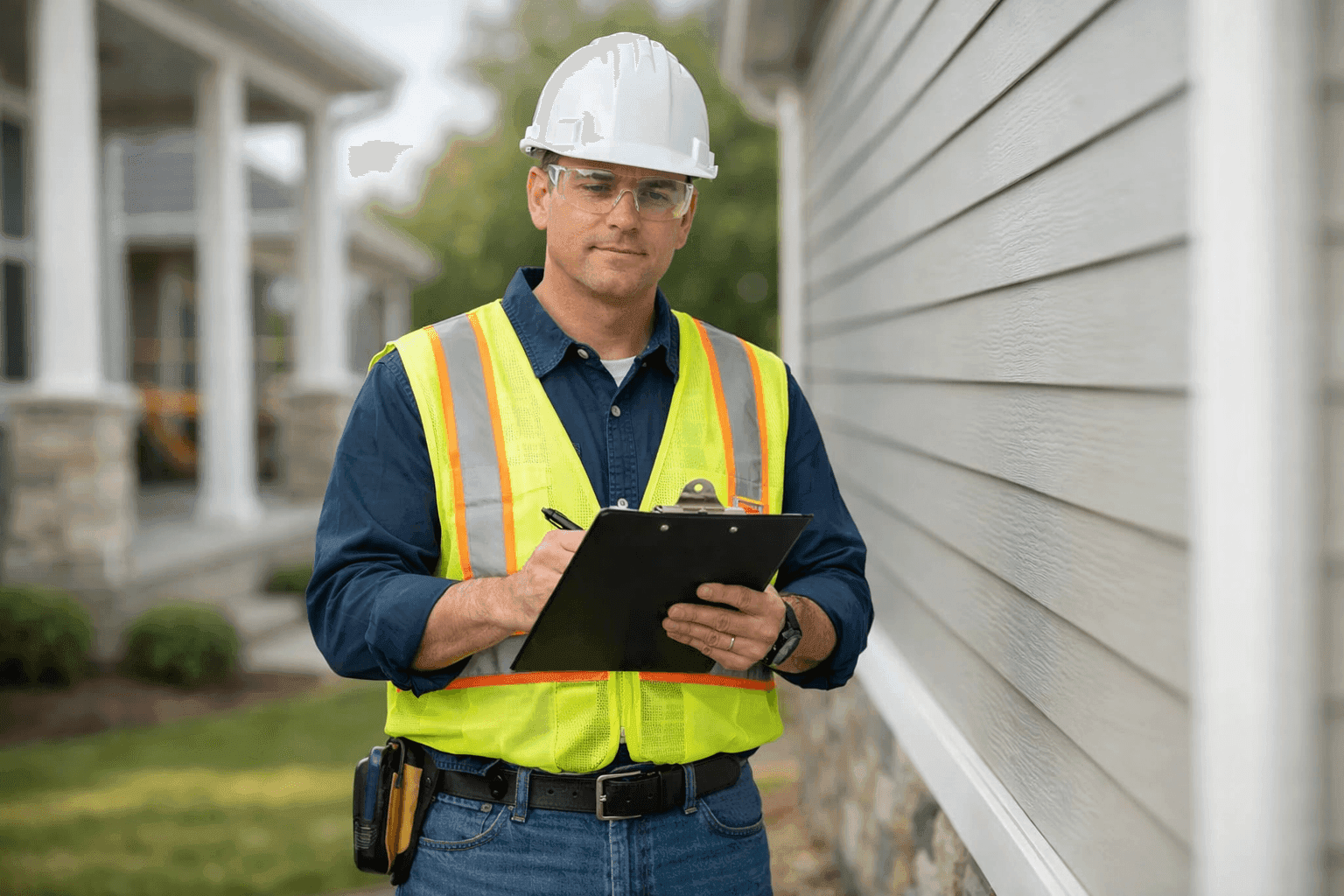
Your home’s siding does more than look good or keep out the rain. It can play a surprisingly big part in your insurance premiums, coverage, and even how smooth the claims process is after a storm or accident. If you’re considering a siding upgrade, knowing the insurance angle isn’t just smart—it’s essential.
At J.B. Siding, we’ve walked countless property owners through these decisions. Whether you’re building new, replacing old siding, or just curious how your home’s exterior can protect your investment, let’s break down what you need to know.
Siding Materials and Insurance Rates 🏡
Think of siding like armor. The better it is at standing up to weather, fire, and pests, the less risk your insurer sees. That risk translates directly into your insurance rate.
- Vinyl siding: Popular for its durability and budget-friendliness. It resists rot and insects, but may be less resilient to high heat than some alternatives.
- Fiber cement siding: High up on the list for fire resistance, which often means lower insurance premiums.
- Wood siding: Classic beauty, but insurers sometimes raise rates due to higher risks of rot, termites, or fire.
- Metal siding: Known for standing up to wind and fire. Insurance companies may reward that with better rates.
- Stucco and brick: Often favored for their fire and pest resistance—sometimes leading to savings.
The National Fire Protection Association (NFPA) and local building codes often recommend or require materials with better fire ratings. Following these guidelines not only keeps your home safer, but can also keep insurance adjusters—and underwriters—happy.
How Insurers Evaluate Siding
Insurance underwriters look at siding the way a mechanic looks at a car’s frame. They check for:
- Material type and quality
- Age and condition
- Installation quality
- Compliance with current codes
They weigh risks like flammability, storm resistance, and the likelihood of water infiltration. If your siding is new, properly installed, and a low-risk type, you might land a better rate.
A proper siding inspection after installation helps document these facts for your file. It’s like keeping your receipts—just in case.
Reporting Upgrades to Your Insurer
Upgrading your siding? Don’t just keep it to yourself. Here’s what to do:
- Get before-and-after photos. Document the original condition and the finished project.
- Save your contracts and warranties. These prove what was installed and when.
- Share details with your insurance agent. Provide all documentation. Ask if your coverage or rates will change.
- Confirm your policy is updated. Don’t assume your insurer knows; you want your investment protected.
Proper documentation is like putting breadcrumbs in the forest—you want a clear path back if you ever need to file a claim.
Insurance Claims and Siding Damage
Storms, hail, wind—when trouble hits, your siding is often the first to take the blow. Here’s how insurance usually handles it:
- File quickly. Report damage as soon as possible.
- Gather evidence. Snap close-ups and wide shots of affected areas.
- Get professional support. A detailed inspection from a pro, like J.B. Siding, can clarify what’s cosmetic and what’s structural.
- Be specific. Insurers want to see the difference between routine wear and actual loss.
Some policies cover “like kind and quality” only, so if you upgraded to a premium siding, check whether your coverage matches your investment.
When to Consider New Construction Siding Near You
If you’re building or renovating, it’s the perfect time to weigh siding choices for both looks and insurance impact. Materials like fiber cement, brick, and high-grade vinyl can make a difference in premiums and long-term protection.
Choosing the right siding during siding material consultation can help guide the decision with both style and insurance in mind.
Quick Safety and Maintenance Checklist
- Inspect siding twice a year for cracks, mold, or gaps.
- Keep gutters clear to prevent water damage.
- Check caulking and sealing, especially after severe weather.
- Address any loose panels or damaged trim immediately.
- Schedule routine professional inspections.
Staying ahead on maintenance is like getting regular oil changes—prevention beats repair every time.
DIY vs. Call a Pro: What’s Best for Insurance?
While DIY repairs can be tempting, insurers often require professional documentation for claims. Shoddy work or missing permits can void parts of your coverage.
Pros not only install to code, but also provide paperwork that makes insurance adjusters’ jobs easier (and your claim more likely to succeed).
Prevention & Maintenance: Lowering Your Risk
Regular cleaning, prompt repairs, and seasonal checks do more than extend siding life. They show insurers you’re a low-risk homeowner, which may help in rate negotiations or claims.
- Clean siding annually to prevent mold or algae.
- Address small repairs before they grow.
- Keep landscaping trimmed to avoid scratching or damaging panels.
Common Mistakes That Can Cost You
- Upgrading siding without notifying your insurer
- Tossing out receipts, contracts, or warranty info
- Ignoring small cracks, which can lead to water damage (and denied claims)
- Choosing materials that don’t meet local code or insurance requirements
Signs Your Siding is Hurting Your Coverage
- Age: Siding over 20 years old may prompt higher premiums
- Damage: Warping, rot, or visible holes can signal risk
- Outdated materials: Some insurers won’t cover certain old sidings
If you see these signs, a siding replacement might be due—not just for curb appeal, but for peace of mind.
Timeline & Disruption: What to Expect
Most siding upgrades can be completed in days, but the paperwork and insurance updates take a little longer. Keep your insurer in the loop from start to finish.
- Plan for a brief period of noise and dust
- Clear the work area for the crew
- Save all documentation as the job wraps up
Siding and Weatherproofing: More Than Just Looks
Weatherproofing isn’t just about drafts—it’s about keeping water, pests, and fire out. Proper flashing, caulking, and up-to-date materials can help lower insurance claims after storms or accidents.
Emergency Siding Situations: Insurance Steps
Storm damage? Hail? Don’t panic.
- Secure the area safely.
- Take photos before making any temporary fixes.
- Contact your insurer and a siding professional right away.
- Save receipts for emergency repairs.
Emergency services, like those offered by J.B. Siding, can help bridge the gap until full repairs are made.
Seasonal Siding Considerations
- Spring: Inspect for winter damage.
- Summer: Watch for sun fading or warping.
- Fall: Clean and prep before winter storms.
- Winter: Check for ice damage or leaks.
A little attention each season can save you big headaches—and possibly lower your insurance risk profile.
The Role of Inspections and Documentation
Insurance claims are all about the paper trail. Detailed siding inspections provide third-party verification of your siding’s condition before and after incidents.
Keep:
- Inspection reports
- Photos (dated)
- Invoices and contracts
These act as your safety net if you ever need to file a claim.
Siding Upgrades and Local Codes
Always check that new siding meets local building codes (see International Residential Code or state-specific guidelines). Insurers may deny claims if installations aren’t up to code.
Siding Color and Insurance: Surprising Factors
Believe it or not, color can matter. Lighter colors may reflect heat, reducing fire risk. Some insurers note this in their assessments—though it’s rarely a make-or-break factor.
For guidance on colors and material choices, check out this high-value siding resource.
FAQs: Siding and Home Insurance
Q: Will new siding always lower my insurance rate?
Not always, but higher-rated materials and professional installation may help.
Q: What if my siding is discontinued?
You may be eligible for a full replacement, but check your policy details.
Q: How often should I update my insurer?
Any time you make a major upgrade or repair.
Final Thoughts: Siding, Insurance, and Your Home’s Future
Upgrading your siding isn’t just about style. It’s about protection, value, and sometimes even your wallet. By choosing the right materials, keeping documentation, and working with trusted professionals, you’re building more than curb appeal—you’re building peace of mind.
Call J.B. Siding now — or reach us anytime at 855-598-5177 .