Residential vs. Commercial Siding: What’s the Difference?
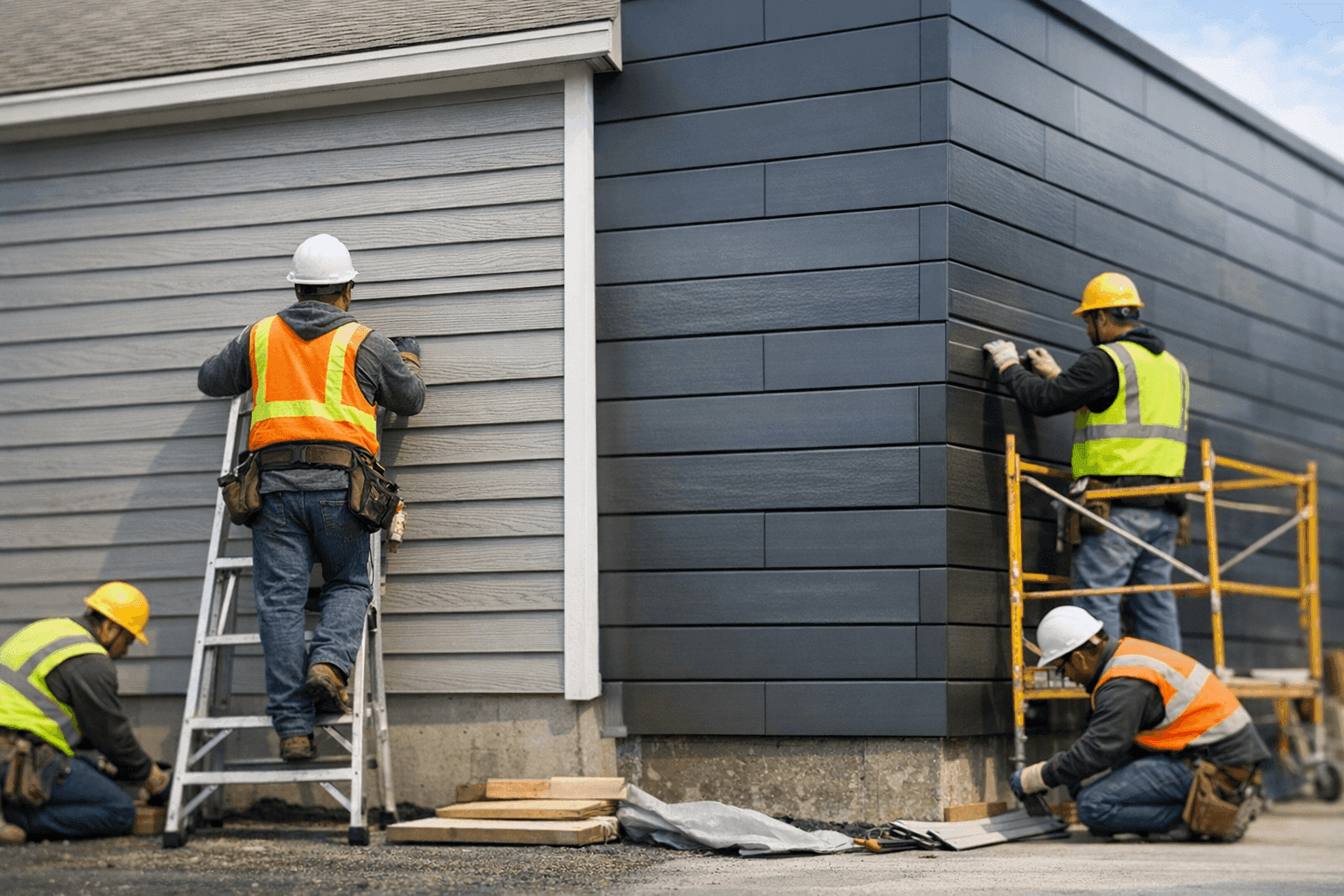
Is your property ready for a facelift? The right siding can make all the difference—boosting curb appeal, protecting your investment, and keeping energy bills in check. Whether you own a cozy home or a bustling storefront, knowing the differences between residential and commercial siding matters.
At J.B. Siding, we’ve seen it all. From storm-battered neighborhoods to high-traffic business strips, we match property owners with the best siding solutions for their needs. Let’s break down what sets these two siding worlds apart—and help you feel confident about your next step.
Residential Siding Overview 🏠
Residential siding is like the skin of your home. It shields, insulates, and sets the tone for your curb appeal. Homeowners often look for materials that balance beauty and resilience, with plenty of room for personal taste.
Key features of residential siding:
- Wide range of colors and textures
- Designed for insulation and weather protection
- Materials: vinyl, wood, fiber cement, stucco, metal, eco-friendly options
- Focus on aesthetics and energy efficiency
Durability
Homes need siding that stands up to sun, wind, rain, and hail. For residential projects, we often recommend materials that handle the elements gracefully, like fiber cement or insulated vinyl. These choices keep your house looking sharp for years—without demanding constant repairs.
Aesthetics
Residential siding is all about personality. Want a classic look? Wood siding delivers warmth and charm. Prefer a modern twist? Metal panels or sleek vinyl can set your home apart. The options are nearly endless, letting you match your style with your neighborhood vibe.
Customization
Homeowners get creative with trim, molding, and accent colors. Your siding isn’t just a shell—it’s an expression of your taste. Custom siding solutions, color consultations, and decorative trim take your exterior from ordinary to outstanding.
Learn more about our residential siding solutions.
Commercial Siding Explained 🏢
Commercial buildings are built for business. Their siding works overtime—protecting against heavy use, foot traffic, and the unique needs of commercial tenants and customers.
What sets commercial siding apart?
- Prioritizes durability and low maintenance
- Materials: metal panels, fiber cement, high-durability vinyl, specialty composites
- Designs often focus on insulation and energy code compliance for larger structures
- Must meet strict fire, safety, and accessibility standards
Durability
Commercial siding faces more wear and tear. Think delivery trucks, equipment, and unpredictable weather. Materials like heavy-gauge metal or advanced composites are chosen not just for looks, but for their muscle—resisting dents, scratches, and fading.
Aesthetics
While appearance still matters, commercial siding usually leans toward clean lines, neutral colors, and branding opportunities. Flat panels, bold trims, and easy-to-clean surfaces keep your business looking sharp and professional.
Customization
Branding is big. Commercial clients often request custom colors, signage integration, or even special textures that match their business identity. Our commercial siding team works with you from concept to completion.
Key Differences in Materials and Design
The gap between residential and commercial siding is as wide as a boulevard. Here’s how they compare:
Residential Siding:
- Softer materials for curb appeal (wood, vinyl, fiber cement)
- Decorative trims, shutters, and moldings
- Often installed with a focus on insulation and energy savings
Commercial Siding:
- Industrial-grade options (steel, aluminum, high-impact composites)
- Larger panels for faster installation on big surfaces
- Fire-rated, vandal-resistant, and weatherproof choices
When considering New Construction Siding near you, the right material depends on your building’s purpose and daily demands.
Building Code Considerations
Safety isn’t optional. Both residential and commercial siding projects must meet strict building codes—these rules keep properties safe and energy-efficient.
Residential codes (like those from the International Residential Code, or IRC) focus on:
- Wind resistance
- Fire safety
- Weatherproofing
Commercial codes (referencing the International Building Code, or IBC) add layers:
- Higher fire resistance
- Accessibility requirements
- Structural load standards
At J.B. Siding, code compliance is woven into every project. We stay up to date with the latest National Fire Protection Association (NFPA) and local municipal guidelines, so you never have to worry about safety—or surprise code violations.
Maintenance Needs
Think of siding like the tires on your car. Ignore them, and problems sneak up fast. With a little care, though, they’ll last much longer.
Residential Siding Maintenance
- Wash annually with a garden hose or gentle cleaner
- Inspect for cracks, warping, and mold after storms
- Repaint or reseal wood siding every few years
- Clean gutters and check flashing to prevent leaks
Commercial Siding Maintenance
- Schedule regular power washing (especially for high-traffic locations)
- Inspect for impact damage or graffiti
- Repair caulking and weather seals after severe weather
- Monitor for insulation gaps to keep energy costs down
Staying ahead of maintenance saves money and headaches—no matter your property type.
Quick Safety Checklist
Before you hire anyone (or try DIY), ask these questions:
- Is the contractor licensed and insured for siding work?
- Are materials rated for local wind, fire, and climate conditions?
- Will the work meet current building codes?
- Is there a plan for debris removal and site safety?
We always encourage clients to check the Occupational Safety and Health Administration (OSHA) guidelines and request a clear project plan.
DIY vs. Call a Pro
It can be tempting to tackle siding as a weekend project. But there’s more beneath the surface. Improper installation can lead to leaks, rot, and expensive repairs.
DIY is best for:
- Small cleaning tasks
- Gutter touch-ups
- Minor caulking or paint fixes
Call professionals for:
- Installing new siding or replacing large sections
- Flashing, trim, and moldings
- Storm, fire, or pest damage
- Siding inspections and code compliance
Our siding consultation team helps you decide what’s safe to handle—and what’s better left to the pros.
What Pros Do On Arrival
When J.B. Siding arrives, here’s what you can expect:
- Full inspection of your existing siding, soffit, fascia, and gutters
- Moisture, pest, and damage assessment
- Code and safety review
- Clear recommendations tailored to your building type
- Transparent quote and timeline
No guesswork. Just honest, practical advice.
Prevention & Maintenance
A few smart habits can save you thousands:
- Trim trees and bushes away from siding
- Keep gutters clear to prevent water backup
- Caulk gaps before winter hits
- Schedule professional inspections every few years
Regular maintenance is the secret to long-lasting siding—at home or at work.
Costs & Time Factors
Residential siding projects usually move faster. Think days or a couple of weeks, depending on weather and material choice. Costs are influenced by:
- Material type (vinyl is affordable, fiber cement costs more)
- House size and complexity
- Custom features or trim
Commercial siding jobs take longer—weeks, sometimes months. Factors include:
- Building height and accessibility
- Specialty materials (like fire-rated panels)
- Coordination with other construction or tenant schedules
Get a clear, detailed estimate upfront to avoid surprises.
When It’s an Emergency
Storms, accidents, or vandalism can leave your building exposed. If you spot:
- Missing panels or loose siding
- Water leaks inside
- Sagging soffits or damaged fascia
- Sharp metal edges
Act fast. Emergency siding services are available to protect your property and prevent further damage.
FAQ: Common Siding Questions
Q: Can I use commercial siding on my home?
A: Some materials overlap, but commercial options may look too industrial for residential settings.
Q: How long does siding last?
A: Vinyl can last 20–40 years, fiber cement up to 50, and metal even longer with good care.
Q: Will new siding improve energy efficiency?
A: Yes! Modern siding, especially with added insulation, can cut energy costs and keep interiors comfortable.
Q: Do I need permits?
A: Most exterior siding projects require permits. We handle the paperwork for you.
Seasonal Considerations
Siding faces different challenges as the seasons change:
- Spring: Check for winter damage, clean off debris.
- Summer: Inspect for fading or warping from heat.
- Fall: Clear gutters, seal gaps before cold weather.
- Winter: Watch for ice dams and snow buildup.
Plan major projects for mild weather if possible—installation is smoother, and materials perform better.
Common Mistakes to Avoid
- Skipping underlayment or vapor barriers
- Ignoring flashing around windows and doors
- Using nails or fasteners not rated for the siding material
- Delaying repairs after visible damage
A little attention now prevents big headaches later.
Signs of Trouble
Your siding might need attention if you notice:
- Peeling paint or bubbling surfaces
- Soft or rotting boards
- Gaps, cracks, or loose panels
- Higher energy bills without an obvious cause
Don’t wait—small issues can snowball into expensive fixes.
Timeline & Disruption
Every project is different. For most homes, expect some noise, dust, and brief disruptions—but our crews keep things tidy and safe. Commercial jobs may involve off-hours work to avoid interrupting your business.
We always coordinate closely with owners to minimize impact.
Materials & Equipment
We work with top-tier siding brands and proven materials—always installed with the right tools and safety gear. Our crews use scaffolds, lifts, and harnesses as needed to keep everyone protected.
Local Siding Expertise
Looking for the best siding solutions and New Construction Siding near you? Read more about our approach to siding installation in Cleveland and see how J.B. Siding delivers quality on every project.
Ready to Upgrade Your Siding?
Whether you’re protecting a home, storefront, or anything in between, the right siding makes all the difference. From material choices to code compliance, J.B. Siding guides you every step of the way.
Call J.B. Siding now — or reach us anytime at 855-598-5177 .