Preventing Winter Siding Damage: Tips for Cold Weather Protection
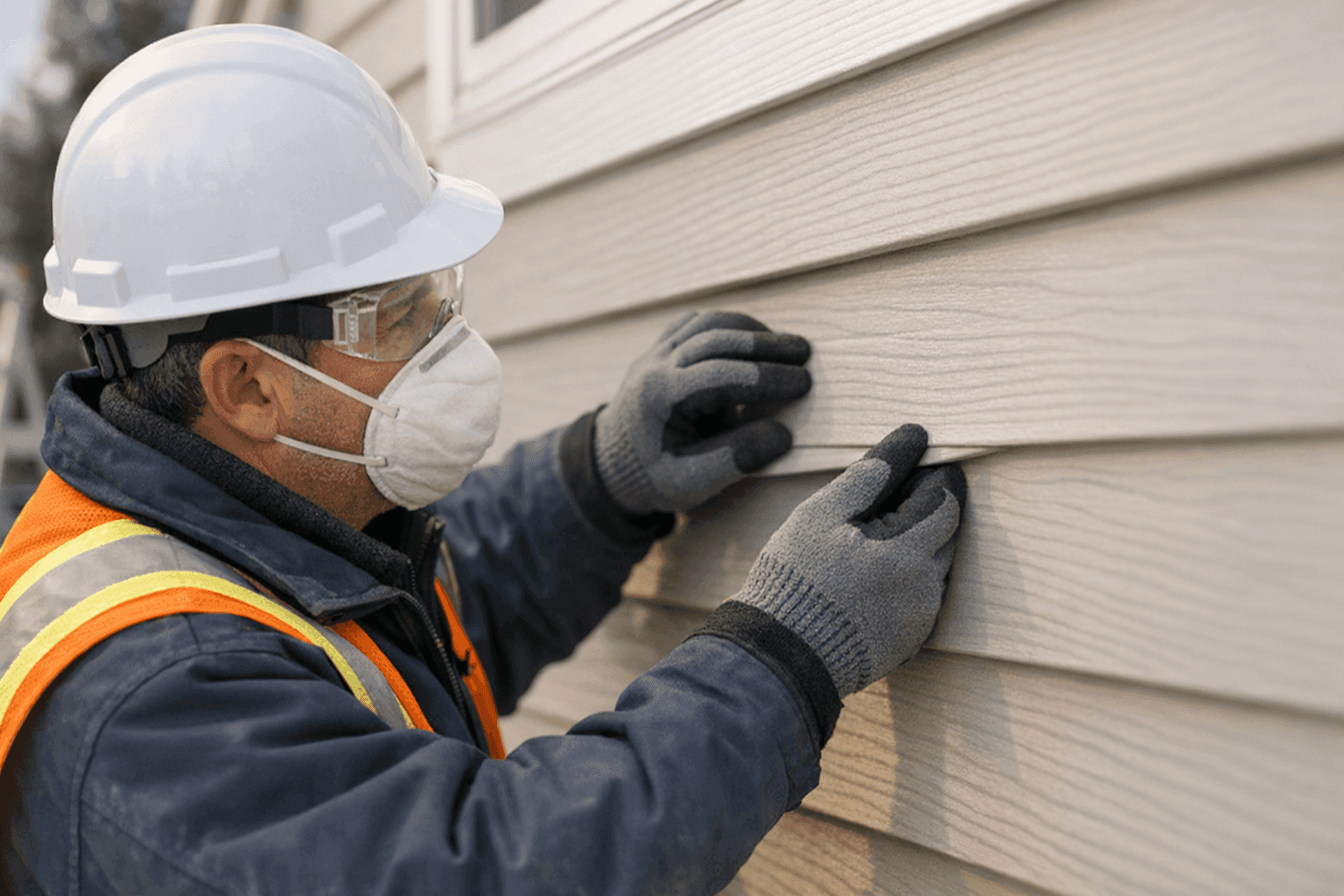
When winter rolls in, siding takes the brunt of wind, snow, and icy rain. It’s easy to forget about those sturdy boards until something goes wrong—but by then, repairs can bite hard. Cold weather isn’t just uncomfortable; it’s a real threat to your home or business exterior. With the right steps, you can keep your siding strong, dry, and looking sharp all season.
At J.B. Siding, we know each winter brings new challenges. Let’s break down why winter is tough on siding, what can go wrong, and what you can do now to avoid bigger headaches later. Whether you handle upkeep yourself or call in support, a bit of prevention can mean the difference between smooth sailing and a mid-January emergency.
Why Winter is Hard on Siding ❄️
Think of siding as your building’s winter coat. It shields against biting winds, heavy snow, and freezing rain. But as the temperature dips, siding faces a perfect storm:
- Expansion and contraction: Cold makes materials shrink. When temps swing wildly, siding can crack, warp, or pull away from the wall.
- Moisture invasion: Snow and ice melt, seep into gaps, and refreeze. This “freeze-thaw” cycle acts like a crowbar, prying apart boards and panels.
- Hidden water damage: Even a tiny opening can invite water behind the siding. Over time, trapped moisture leads to rot, mold, or insulation breakdown.
No two winters are exactly alike. Some years, it’s relentless snow. Other times, it’s ice storms or wind-driven rain. The siding that holds up in one season might need extra help the next.
Common Cold-Weather Risks
What’s the worst that could happen when siding isn’t ready for winter? Here are the most frequent dangers:
- Cracks and splits: Vinyl, wood, and fiber cement react differently, but all can crack if stressed by rapid temperature shifts.
- Loose panels: Fasteners shrink and expand. This can leave boards rattling—or even falling off—in high winds.
- Peeling paint or finish: Moisture sneaks in, then paint blisters or flakes away, especially on wood siding.
- Mold and mildew: Water trapped behind panels creates a breeding ground for spores, leading to health hazards and ugly stains.
- Insect intrusion: As siding separates, pests find shelter in gaps, especially after summer’s warmth gives way to cold.
Pre-Winter Siding Prep Checklist ✅
Winter-proofing siding doesn’t have to be overwhelming. A little attention now pays off all season. Here’s your straightforward checklist:
- Inspect for gaps and cracks: Walk around your property. Look near windows, doors, corners, and seams.
- Check caulking and seals: Old, crumbling sealant lets water in. Scrape away rough patches and reapply as needed.
- Clean gutters and downspouts: Clogged gutters send water behind siding. Keep them clear to prevent overflow and ice dams.
- Trim trees and bushes: Overhanging branches scrape siding or drop extra snow and ice onto it.
- Clean siding surfaces: Dirt and mildew trap moisture. A gentle wash with mild detergent keeps surfaces breathing.
- Look for loose fasteners: Tighten or replace any loose nails, screws, or clips.
- Check soffit and fascia: Damage here lets water and critters inside your roofline.
For a deeper look, a professional siding inspection can reveal hidden trouble spots before winter bites down.
Signs of Trouble: Red Flags to Watch For
Not sure if your siding is ready for winter? Watch for these warning signals:
- Warped or bulging panels
- Soft spots (especially in wood siding)
- Blistered paint or unusual stains
- Visible gaps at seams or trim
- Drafts or cold spots inside, near exterior walls
- Unexplained spikes in heating bills
If you spot any of these, don’t wait. Catching issues early saves major hassle later.
DIY: What You Can (and Should) Do
Some siding prep is safe and easy for most property owners:
- Clean with a soft brush and soapy water.
- Replace missing or cracked caulk with weather-resistant sealant.
- Tighten loose panels with screwdriver or hammer (carefully!).
- Replace damaged trim or fascia if you’re handy.
Always work safely. Use ladders carefully and avoid working in icy or wet conditions. When in doubt, call for help—especially with tall buildings or tricky repairs.
When to Call a Pro
Some jobs are best left to those with the right tools and know-how. Call a siding professional if:
- You notice widespread damage, mold, or rot.
- Your siding feels spongy or soft.
- There’s water leaking inside.
- Storm damage leaves panels missing or loose.
- You’re unsure what’s causing drafts or high energy bills.
A pro can provide an in-depth inspection, recommend siding maintenance, and tackle repairs that keep the cold at bay.
Emergency Siding Repairs: What to Expect
Winter emergencies happen fast. When they do, here’s what you can expect:
- Rapid response: Speed matters when water or wind threatens your interior.
- Temporary weatherproofing: Pros may install tarps, flashing, or quick patches to block the elements until a full repair is possible.
- Assessment and plan: After stabilizing the situation, you’ll get straightforward recommendations for permanent fixes.
- Safety first: Professional crews follow safety and building codes—like those outlined by the International Residential Code (IRC)—to protect your property and their team.
Siding Materials: How They Handle the Cold
Every siding material has strengths and weaknesses in winter:
- Vinyl siding: Affordable, but can crack in deep cold if panels are already stressed.
- Wood siding: Beautiful, but vulnerable to moisture and needs regular sealing.
- Fiber cement: Tough, fire-resistant, and holds up well, but needs proper caulking.
- Metal siding: Resists snow and ice, but dents if hit hard (think hail or wind-blown debris).
- Stucco: Durable, but must be inspected for cracks where water might seep.
Ask about New Construction Siding near you if you’re planning an upgrade or new build—choosing the right material now means less worry later.
How Much Time and Disruption?
Most siding prep and minor repairs take just a day or two. Larger fixes or full replacements may stretch longer, especially in bad weather. Professionals will help you schedule work around storms and keep disruption to a minimum.
Common Mistakes to Avoid
It’s easy to let siding slide until something big goes wrong. Here are a few mistakes to dodge:
- Ignoring small cracks or missing caulk.
- Forgetting to clean gutters.
- Putting off repairs until spring (when damage is already done).
- Using harsh chemicals or power-washing, which can damage siding surfaces.
- Overlooking attic and wall insulation, which helps protect siding from inside-out temperature swings.
Frequently Asked Questions
Does all siding need winter prep?
Yes. Even low-maintenance options benefit from a quick check.
Can I paint siding in cold weather?
Only with products approved for low temperatures. Otherwise, paint may peel or not cure properly.
What about storm damage—should I wait for spring?
No. Repairs are best done right away to prevent further issues.
Timeline: When to Start Winterizing Siding
Aim to finish inspections and repairs before the first frost. Early fall is ideal, but it’s never too late to address urgent problems.
Safety, Codes, and Best Practices
Always follow ladder safety rules. Wear gloves and eye protection when cleaning or caulking. Check that repairs meet local codes (for example, referencing International Residential Code guidelines for siding and flashing). When in doubt, ask your local building department or a professional for advice.
The Value of Routine Siding Maintenance
Winter is just one season. Regular care—checking siding after storms, re-caulking as needed, and cleaning annually—keeps your property looking good and performing well year-round.
Ready to Winterize? Start Today
Don’t let winter catch your siding off guard. With a little attention now, you’ll avoid costly repairs and keep your property safe and comfortable.
Call J.B. Siding now — or reach us anytime at 855-598-5177 .