How to Prepare Your Home for Siding Installation
When you decide it’s time for new siding, there’s a tangle of nerves and excitement. You want your property to look its best, but the thought of construction dust and disruption? That’s enough to make anyone’s palms sweat. At J.B. Siding, we’ve helped homeowners and businesses across the region prep for everything from quick repairs to full siding transformations—and we know what makes a project run like clockwork.
Whether this is your first time tackling a siding project, or you’re upgrading after years in your home, a little planning goes a long way. Here’s what you need to know to prepare your home (and your life) for a smooth, efficient siding installation.
Why Preparation Matters
Think of your siding project like hosting a big family dinner. The smoother the prep, the better the outcome. Skimping on prep can mean delays, extra costs, or even damage to your belongings. The right steps keep your property safe, your installation team working efficiently, and your stress levels low.
Proper prep also helps your new siding last longer. The International Code Council and local building codes outline requirements for safe work zones and weather protection—so being ready isn’t just smart, it’s required.
Exterior Prep Steps 🛠️
Get started outside. Here’s your essential checklist:
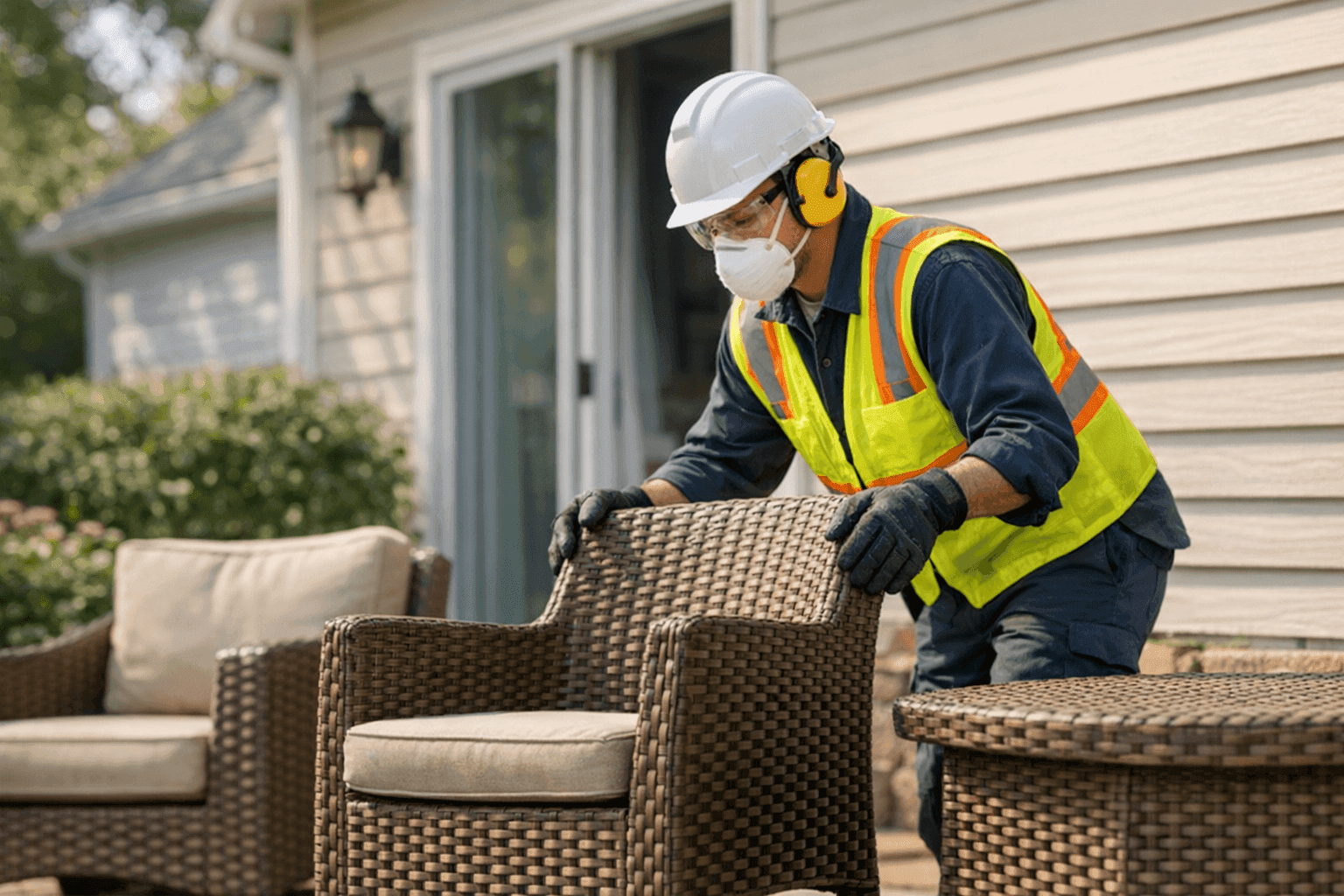
- Move outdoor furniture and décor. Grills, planters, benches—shift them at least 10 feet from your siding.
- Trim back shrubs and branches. Allow clear access for ladders, scaffolding, and crew movement.
- Mow your lawn. Short grass makes cleanup easier after the job.
- Remove wall hangings. Take down address numbers, decorative lights, and seasonal banners.
- Secure windows and doors. Close and lock everything. If you have storm doors, check their function.
For commercial buildings, coordinate with property managers to alert tenants about work schedules and access points.
Interior Considerations
Siding work can cause vibrations that rattle walls inside. Take these steps to prevent mishaps:
- Remove fragile items. Take down pictures, mirrors, and shelves from exterior walls.
- Protect electronics. Unplug sensitive equipment, especially near exterior walls.
- Check window blinds and curtains. Pull them up or aside to avoid dust and debris.
If your home is older, talk with your contractor about insulation and potential lead paint concerns (the EPA provides guidance for pre-1978 homes).
Protecting Landscaping and Pets 🌱
Your garden might not love construction. Neither do pets. Here’s how to keep both safe:
- Cover delicate plants. Use burlap or old sheets for shrubs close to walls.
- Mark sprinkler heads. Flag them to prevent accidental damage.
- Create pet-safe zones. Set up temporary fencing or use rooms away from the work area.
- Alert your installer. Let the crew know about hidden hazards: bee hives, underground wiring, or irrigation.
A little attention now saves heartache (and vet bills) later.
What to Expect on Installation Day
Siding installation is a symphony of movement: vehicles arriving, ladders going up, power tools humming. Here’s what you can anticipate:
- Early crew arrival. Most teams show up between 7–9 a.m.—so leave driveway space.
- Noise and vibration. Expect hammering, saws, and the occasional thud.
- Temporary access changes. You may need to use a back door or alternate entrance.
- Dust and debris. While reputable crews clean up daily, some mess is inevitable.
Talk to your installer about any specific concerns. Clear communication keeps surprises to a minimum.
Safety First: Quick Checklist 🦺
- Keep children and pets indoors or supervised.
- Alert your installer to medical equipment (like oxygen tanks) that might be affected by dust.
- Know where your main water shutoff and breaker box are, just in case.
The Occupational Safety and Health Administration (OSHA) sets standards for worksite safety—reputable installers should follow these, but you can help by keeping the area clear.
DIY Prep vs. Letting Pros Handle It
Some prep is up to you, but your siding crew handles the heavy lifting:
Homeowner tasks:
- Clearing spaces
- Notifying neighbors (if close proximity)
- Securing breakable items
Professional tasks:
- Setting up scaffolding
- Protecting windows and doors
- Disposing of old materials (check your contract for details)
If you’re unsure about any step, a siding consultation with J.B. Siding can walk you through the process.
What the Pros Do When They Arrive
Expect a walkthrough. Your crew leader will:
- Confirm the scope of work
- Double-check material deliveries
- Review your prep work and make adjustments as needed
- Answer last-minute questions
They’ll also review safety and access, ensuring everyone’s on the same page.
Prevention & Maintenance Tips
Protect your new investment with these habits:
- Clean gutters regularly after installation
- Schedule annual siding inspections
- Address small repairs (like caulking or minor cracks) before they grow into bigger problems
Find more about new construction siding for long-term durability.
Costs & Time Factors
Siding projects vary—some wrap up in days, others take weeks. Weather, home size, and material choice all play a part. Ask for a realistic timeline. Expect some variability, especially if you’re tackling repairs along with installation.
Budget a little extra for surprises, especially in older homes where hidden issues can lurk beneath the surface.
When It’s an Emergency 🚨
Storm damage? Sudden leaks? Safety is the priority. Temporarily move valuables and call for siding inspection as soon as possible. Temporary repairs can prevent water intrusion while you await full installation.
Seasonal Considerations
Spring and fall are prime times for siding work—the weather is mild and crews can work efficiently. In winter, snow and ice can add delays. In summer, extreme heat can affect materials and crew safety.
Plan ahead and schedule early to avoid seasonal rushes.
Common Mistakes to Avoid
- Not moving patio furniture far enough away
- Forgetting to alert neighbors, leading to parking or access headaches
- Leaving pets outdoors during construction hours
- Skipping the interior wall check—one dropped frame can ruin your day
A little attention to detail keeps your project on track.
Signs of Trouble: When to Call Your Installer
- Unexpected water leaks inside
- Siding materials delivered but no crew arrival
- Noticeable damage to landscaping or property
Don’t wait—communication can solve small problems before they grow.
Timeline & Disruption: How to Minimize the Impact
Siding installation can feel a bit like camping in your own home. There’s dust, noise, and the occasional blocked entryway. But with good prep, most families and businesses can carry on with only minor inconvenience.
Plan meals ahead, keep a sense of humor, and remember: the short-term hassle leads to years of improved curb appeal and protection.
Materials & Equipment: What to Expect
Your yard will host more than just siding—expect delivery of scaffolding, dumpsters, and pallets of material. Keep driveways clear and ask if street parking will be impacted. If you’re unsure about siding materials, J.B. Siding offers comprehensive guidance during your consultation.
FAQ: Your Siding Prep Questions Answered
Q: Should I be home for installation?
A: Not always, but someone should be available for questions and access.
Q: Can I use my AC or heating during installation?
A: Usually yes, but discuss vent locations with your crew.
Q: How do I keep my kids entertained and safe?
A: Set up indoor play zones and explain the importance of staying clear of the work area.
Ready to Get Started?
Preparation is the secret ingredient for a smooth siding project. Want more advice or a custom plan for your property? For those looking for the best siding solutions in the region, check out our siding services in Albany for a thorough, high-value approach.
Call J.B. Siding now — or reach us anytime at 855-598-5177 .