Insulation Installation: How It Boosts Siding Performance and Savings
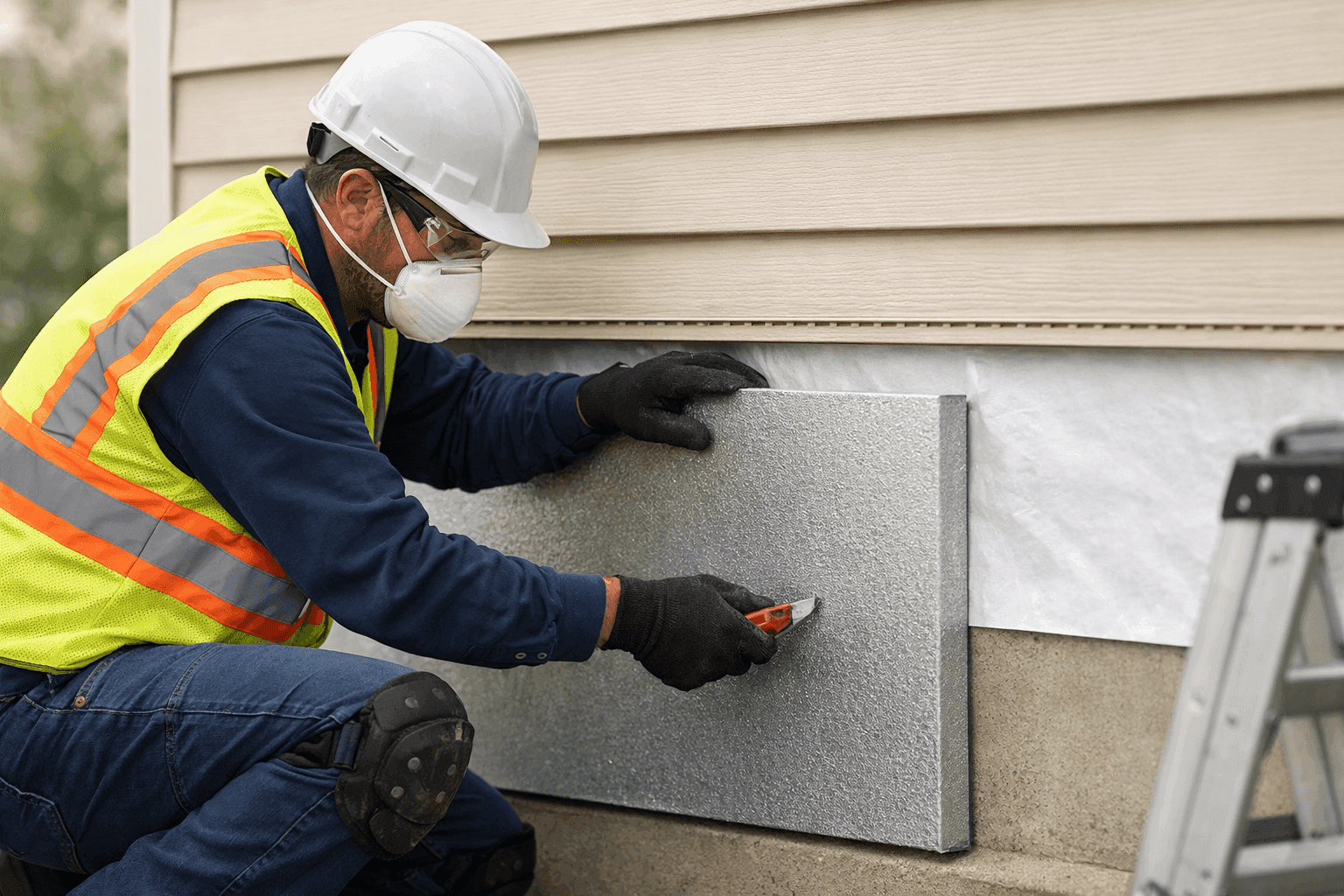
If your home or business feels drafty, or if you’re tired of energy bills climbing higher each season, you’re not alone. Many property owners face the same struggle—walls that let heat slip out in winter and let the summer swelter creep in.
At J.B. Siding, we see it every day: insulation is the unsung hero behind high-performing siding. Whether you’re building new or updating an older exterior, insulation isn’t just an add-on. It’s essential for comfort, efficiency, and long-lasting value.
Why Insulate With Siding? 🏡
Siding is more than a pretty face for your building. It’s your shield against wind, rain, and extreme temperatures. But without insulation, even the best siding can’t do its job fully.
Adding insulation during siding installation is like slipping on a warm sweater under a rain jacket. The siding blocks the elements, and insulation traps the warmth (or coolness) where you want it. The result? Lower energy bills, quieter interiors, and siding that lasts longer because it’s protected from the inside out.
Siding and Energy Codes
Building codes increasingly recommend or require insulated siding for new construction and major renovations. The U.S. Department of Energy and the International Residential Code both highlight insulation as key to energy efficiency. If you’re planning New Construction Siding near you, think insulation from the start.
Types of Siding Insulation
Insulation isn’t one-size-fits-all. The best option depends on your home, your climate, and your siding material.
- Rigid Foam Board: Lightweight panels that fit snugly behind siding, offering a reliable thermal barrier.
- Blown-In Insulation: Tiny fibers or pellets are blown into wall cavities—great for retrofits but requires pro equipment.
- Spray Foam: Expands to fill gaps, creating a tight seal against drafts and moisture. Usually used in new builds or major siding replacements.
- Insulated Vinyl Siding: Vinyl panels with foam backing, combining two layers of protection in one.
Some eco-friendly insulation materials, like cellulose or mineral wool, add fire resistance and are made from recycled content. See more on eco-friendly siding options.
The Installation Process: Step by Step
Insulation installation is more than tucking panels behind your siding. Here’s how the pros at J.B. Siding do it:
- Inspection: We assess your current siding, check for signs of damage, and identify where heat or cold leaks in. This may include a siding inspection if you’re unsure about your exterior’s health.
- Material Selection: Based on your needs, budget, and local requirements, we pick the insulation type that fits best.
- Preparation: Old siding is removed if necessary. Wall surfaces are cleaned and repaired. Any rot, mold, or pest issues are addressed before installing insulation.
- Installation: Insulation boards are cut to fit, seams are taped, and gaps are sealed. For blown-in or spray foam, pros use specialized equipment to fill cavities without leaving air pockets.
- Siding Replacement: Once the insulation is in place, new or existing siding is carefully installed, with all edges sealed for weatherproofing.
- Final Check: Everything is inspected for fit, finish, and compliance with local codes—no shortcuts.
Benefits for Comfort and Efficiency
Insulation does more than keep you warm. Here’s what it brings to the table:
- Lower Energy Bills: Insulation keeps conditioned air inside, cutting heating and cooling costs by up to 20% according to Energy Star.
- Consistent Temperatures: Fewer drafts. No cold spots by windows or walls.
- Sound Dampening: Silence street noise or your neighbor’s mower. Insulation absorbs sound vibrations.
- Moisture Protection: Properly installed insulation works like a sponge and barrier. It slows down moisture, keeping your siding and structure dry and free from rot.
- Longer Siding Life: By keeping moisture and temperature swings at bay, insulation helps your siding last longer with fewer repairs.
- Increased Resale Value: Energy-efficient upgrades are a strong selling point for future buyers.
Safety Checklist: Before You Start
Making your building more efficient is great. But safety comes first. Here’s what to keep in mind:
- Check for Asbestos or Lead: In older homes, walls may contain hazardous materials. Always have a pro test before disturbing old siding.
- Electrical Hazards: Turn off circuits if installing near wiring. Keep insulation away from exposed electrical boxes unless rated for contact.
- Ventilation: Don’t block soffit or roof vents. Airflow is critical for preventing mold.
- Local Codes: Always follow local energy and fire safety codes. The U.S. Department of Energy and National Fire Protection Association offer up-to-date guidance.
DIY vs. Calling a Pro
Installing insulation with siding looks simple on TV, but real-world projects can get complicated. Pros bring:
- Experience spotting hidden trouble—like rot, missing flashing, or pest damage.
- Tools for cutting, sealing, and weatherproofing insulation.
- Knowledge of which materials play nicely with your chosen siding.
- Up-to-date code compliance and safety.
DIY can be tempting for a single wall or small shed. For a whole house or business, or if you want peace of mind, call a pro.
What the Pros Do On Arrival
A J.B. Siding crew doesn’t just show up and start hammering. We:
- Listen to your concerns—drafts, cold rooms, rising bills.
- Inspect every inch of siding and underlying sheathing.
- Check attic, crawlspace, and basement for insulation gaps.
- Map out an installation plan that covers all trouble spots.
- Tidy up, leaving your yard and walkways clean.
Siding Insulation and Moisture Management 💧
Just like a raincoat needs to breathe, your siding and insulation work best when moisture can escape but not get in. A key part of insulation installation is water management:
- Taping seams and sealing gaps to block water intrusion.
- Using breathable house wraps to let trapped moisture escape.
- Installing flashing around windows, doors, and trim to steer water away.
Moisture that sneaks behind siding can lead to mold, rot, and expensive repairs. Insulation plus weatherproofing keeps your home dry and healthy. For more on this, see siding weatherproofing services.
Seasonal Considerations
Winter chills. Summer scorchers. Spring storms. Each season tests your siding and insulation. The best time to install insulation is during mild weather—spring or fall—when your walls are dry. But emergency repairs after storm damage can’t wait. If you spot water stains, loose siding, or feel sudden drafts, act fast.
Common Mistakes to Avoid
- Skipping the Inspection: Don’t guess what’s behind your walls.
- Blocking Vents: Never cover soffit or attic vents with insulation.
- Using the Wrong Type: Match insulation to your siding material.
- Poor Sealing: Gaps around windows and doors defeat the purpose.
- Ignoring Codes: Local building codes exist for a reason—don’t cut corners.
Signs Your Siding Needs Insulation
- Unexplained spikes in energy bills.
- Rooms that are always colder or hotter than others.
- Siding panels that feel cold inside during winter.
- Drafts around electrical outlets or baseboards.
- Condensation or moisture stains on interior walls.
If you notice these, an insulation upgrade may be overdue.
Timeline & Disruption: What to Expect
For most single-family homes, insulation installation with siding takes a few days to a week. Larger commercial properties may run longer. Noise, dust, and temporary access limits are normal, but pros work to minimize the mess. Your daily routine shouldn’t be upended for long.
Costs & Return on Investment
Costs vary by material, wall size, and labor. Foam board and spray foam cost more up front, but deliver the highest energy savings. Think of insulation as an investment—most homeowners recoup costs through lower utility bills within a few years, according to research from the U.S. Department of Energy.
Maintenance and Upkeep 🛠️
Insulation, once installed, is mostly hands-off. But you should:
- Check siding for cracks or warping every season.
- Make sure gutters and downspouts send water away from walls.
- Inspect attic and crawlspace for signs of moisture or pests.
- Clean siding regularly—dirt and grime can hide trouble spots.
- Schedule periodic siding inspections to catch issues early.
Staying proactive means your insulation and siding work together for decades.
When Insulation Installation Is Worth the Investment
If you’re replacing old siding, building from scratch, or dealing with high energy bills, adding insulation is a smart move. It pays off in comfort, savings, and peace of mind.
For more on siding upgrades, see our madison siding solutions page for high-value siding tips and options.
FAQ: Your Insulation Installation Questions
Is insulated siding required by code?
It depends on your location and building type. Many areas now require a minimum R-value (insulation rating) for exterior walls. Always check local codes.
Can you add insulation without removing siding?
Sometimes—blown-in insulation can be added to cavities in certain cases. But for best results, especially with old or damaged siding, a full removal and replacement is ideal.
Will insulation help with moisture problems?
Yes, if installed with proper sealing and ventilation. Insulation reduces condensation, but moisture management starts with quality installation.
How often should insulation be replaced?
High-quality insulation can last decades if kept dry and undisturbed. Regular inspections help spot issues early.
Ready to boost your comfort and savings? Call J.B. Siding now — or reach us anytime at 855-598-5177 .