How to Tell If Your Siding Needs Professional Inspection
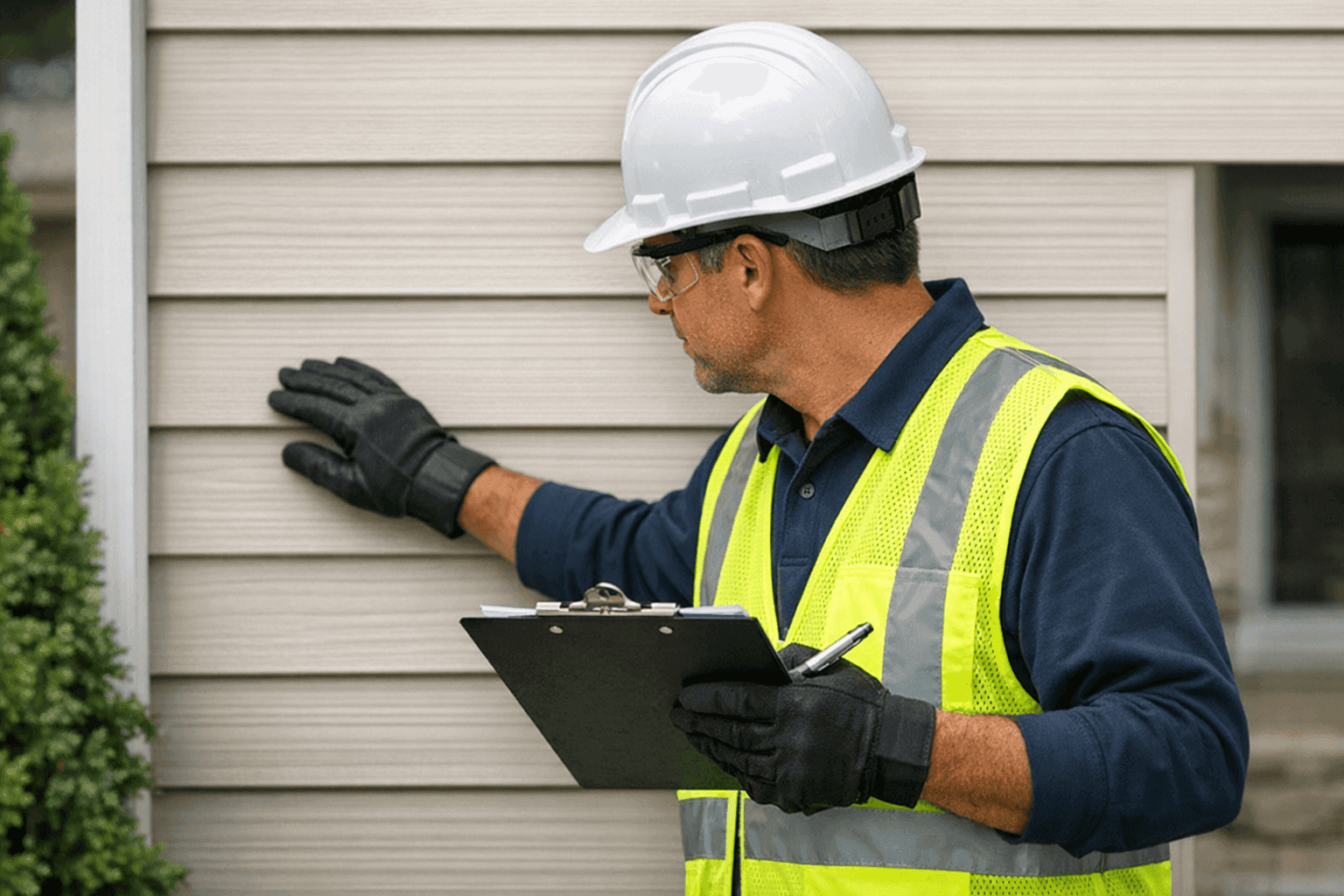
Siding is your building’s armor. Whether you own a cozy home or a bustling storefront, your siding shields what matters most from the elements. But even the toughest armor can crack under pressure—sometimes literally. When problems start, they’re rarely obvious at first. That’s where a professional siding inspection comes in.
A quick walk around your property might not tell the full story. Some warning signs hide in plain sight. Ignoring them could mean bigger bills and headaches down the road. Here’s how to spot the red flags, why expert eyes make a difference, and what happens during a thorough siding check.
Signs to Watch For
Some siding problems shout for attention. Others whisper. Here’s what to look for before small issues become big trouble. 👀
- Cracks or warping: Like a warped book cover after a spill, misshapen siding panels hint at water damage or age.
- Peeling paint or bubbling: Paint that bubbles or flakes is a smoke signal for trapped moisture.
- Visible mold or mildew: Dark streaks and fuzzy patches are more than unsightly—they’re warnings your siding is letting water in.
- Gaps or loose boards: If boards pull away from the wall, wind and pests can sneak inside.
- Unexplained energy bills: Have your heating or cooling costs shot up? Your siding might not be insulating as it should.
- Interior leaks or stains: Stains on interior walls can mean your siding isn’t weatherproof anymore.
- Rusted nails or fasteners: Corrosion signals that water is working its way behind the scenes.
- Strange noises: Popping, creaking, or rattling on windy days can mean siding is loose or failing.
If you spot any of these, it’s time to act. The sooner you respond, the less likely you’ll face extensive repairs.
Why Expert Inspection Matters
Think of a siding inspection like a yearly physical for your building. You might feel fine, but a professional can catch issues you miss. Homeowners and property managers often overlook subtle signs or underestimate the impact of small flaws.
An expert’s trained eye can:
- Identify hidden moisture or rot before it spreads
- Assess ventilation and insulation issues affecting comfort and energy use
- Spot code or safety violations—especially important for commercial properties
- Recommend repairs tailored to your specific siding material
- Guide you on next steps, whether it’s a simple fix or more involved siding repair
Professional inspection isn’t just about fixing what’s broken. It ensures your investment stays protected—meeting local building codes and safety guidelines (see the International Residential Code and local ordinances for reference).
What Inspectors Check
A thorough siding inspection isn’t just a walkaround. Inspectors follow a step-by-step process to uncover issues both obvious and hidden.
Exterior Review
- Surface scan: Looking for cracks, warping, gaps, and discoloration
- Joints and seams: Checking for proper caulking, sealing, and flashing
- Soffit and fascia: Ensuring edges are intact and ventilated
- Corners and trim: Inspecting for damage, rot, or missing pieces
Interior Clues
- Walls and windows: Looking for water stains, peeling paint, or soft patches on walls
- Attic and crawl space: Checking for signs of leaks, dampness, or insulation gaps
Material-Specific Checks
- Vinyl siding: Warping, fading, or brittle sections
- Wood siding: Rot, pest damage, or splintering
- Metal siding: Rust, corrosion, or loose panels
- Fiber cement: Cracking, chipping, or moisture intrusion
- Stucco: Cracks, bulges, or soft spots
Safety & Code Review
Inspectors also review for compliance with local codes—like proper weatherproofing, fire resistance, and ventilation—especially on new construction or commercial projects.
When to Schedule an Inspection
Timing matters. Don’t wait for a full-blown emergency. Book a professional siding inspection if:
- You’ve noticed any of the red flags above
- Your property recently weathered a major storm or high winds
- You’re planning renovations, upgrades, or selling the property
- It’s been more than a year since the last check (recommended by most local building authorities)
For New Construction Siding near you, early inspection ensures your project starts on a solid foundation.
DIY Checks vs. Calling a Pro
A quick look at your siding is a good habit, but it can’t replace a trained inspection. Here’s why:
- DIY: You can spot visible damage, debris buildup, or obvious gaps. But hidden problems—like moisture behind panels—often go unnoticed.
- Pro: Inspectors use moisture meters, thermal cameras, and expert knowledge. They see what’s beneath the surface and can catch problems before they get costly.
If you’re unsure, err on the side of caution. Small repairs found early can save you from replacing whole sections later.
Quick Safety Checklist
Before you inspect on your own, keep yourself safe:
- Walk the perimeter on solid, dry ground
- Don’t climb ladders alone or in poor weather
- Wear gloves and closed-toe shoes—sharp siding edges can cut
- If you see signs of electrical issues or major structural damage, call a professional immediately
Your safety comes first.
What Happens During an Inspection
Curious what to expect when J.B. Siding arrives? Here’s a typical process:
- Walkthrough and briefing: We’ll chat with you about your concerns and any changes you’ve noticed.
- Exterior inspection: We examine all siding surfaces, corners, trims, soffits, and fascia.
- Interior checks: Where needed, we look for water stains or mold inside.
- Specialized tools: We may use moisture meters or infrared cameras to check for hidden leaks.
- Review and report: You’ll get a clear summary, photos if needed, and practical next steps.
We respect your space and your time—most inspections take less than an hour for average-sized homes.
Common Mistakes Property Owners Make
- Ignoring subtle signs: That tiny crack may seem harmless now, but it can grow fast.
- Skipping annual checks: Out of sight shouldn’t mean out of mind.
- Delaying minor repairs: Procrastination can turn a simple siding maintenance into a full replacement.
- Using the wrong cleaning products: Harsh chemicals can damage siding finishes and void some warranties.
Stay proactive. Preventative care always costs less than emergency repairs.
The Cost—and Value—of Inspection
An inspection is a small investment compared to replacing an entire wall of siding. Early detection saves money, minimizes disruption, and preserves your property’s value. It helps you avoid code violations and insurance headaches, too.
When It’s an Emergency
If you notice:
- Large holes or missing sections after a storm
- Water actively leaking inside
- Visible mold spreading quickly
Act immediately. These are signs of urgent failure. Emergency siding services are available for situations where time is critical.
Seasonal Considerations
- Spring/Fall: Prime time for inspections—weather is mild and issues from winter or summer extremes are easy to spot.
- After storms: High winds, hail, or heavy rain can cause hidden damage—schedule a check if you’ve recently weathered a rough patch.
Prevention & Maintenance Tips
- Clean siding gently with a hose or soft brush—avoid high pressure unless advised
- Trim trees and shrubs to prevent damage or mold growth
- Check gutters regularly—clogged gutters can cause water to pool behind siding
- Inspect caulking and flashing annually
For more on keeping your siding in top shape, see our siding maintenance page.
What to Do After Your Inspection
After your professional inspection:
- Review the findings and ask questions
- Prioritize repairs—fix urgent issues first
- Schedule regular follow-ups, especially if your property faces harsh weather
- Consider upgrades or insulation improvements if recommended
If you’re in the Delaware, OH area and need a thorough siding inspection or advice on New Construction Siding, check out our Delaware siding services for expert help.
FAQ: Siding Inspection
How often should I get my siding inspected?
At least once a year, or after major storms.
Can I clean my siding myself?
Yes—just be gentle and avoid harsh chemicals or high-pressure washers unless your siding manufacturer recommends it.
Is siding inspection needed for new construction?
Absolutely. Early checks ensure your investment is protected from day one.
What if I need repairs?
Your inspector will outline next steps and connect you with solutions—often right away.
Ready for Peace of Mind?
Don’t let hidden siding problems grow into costly surprises. Whether it’s your home or business, regular inspections keep your investment safe and your property looking sharp.
Call J.B. Siding now — or reach us anytime at 855-598-5177 .