How to Safely Remove Mold from Siding
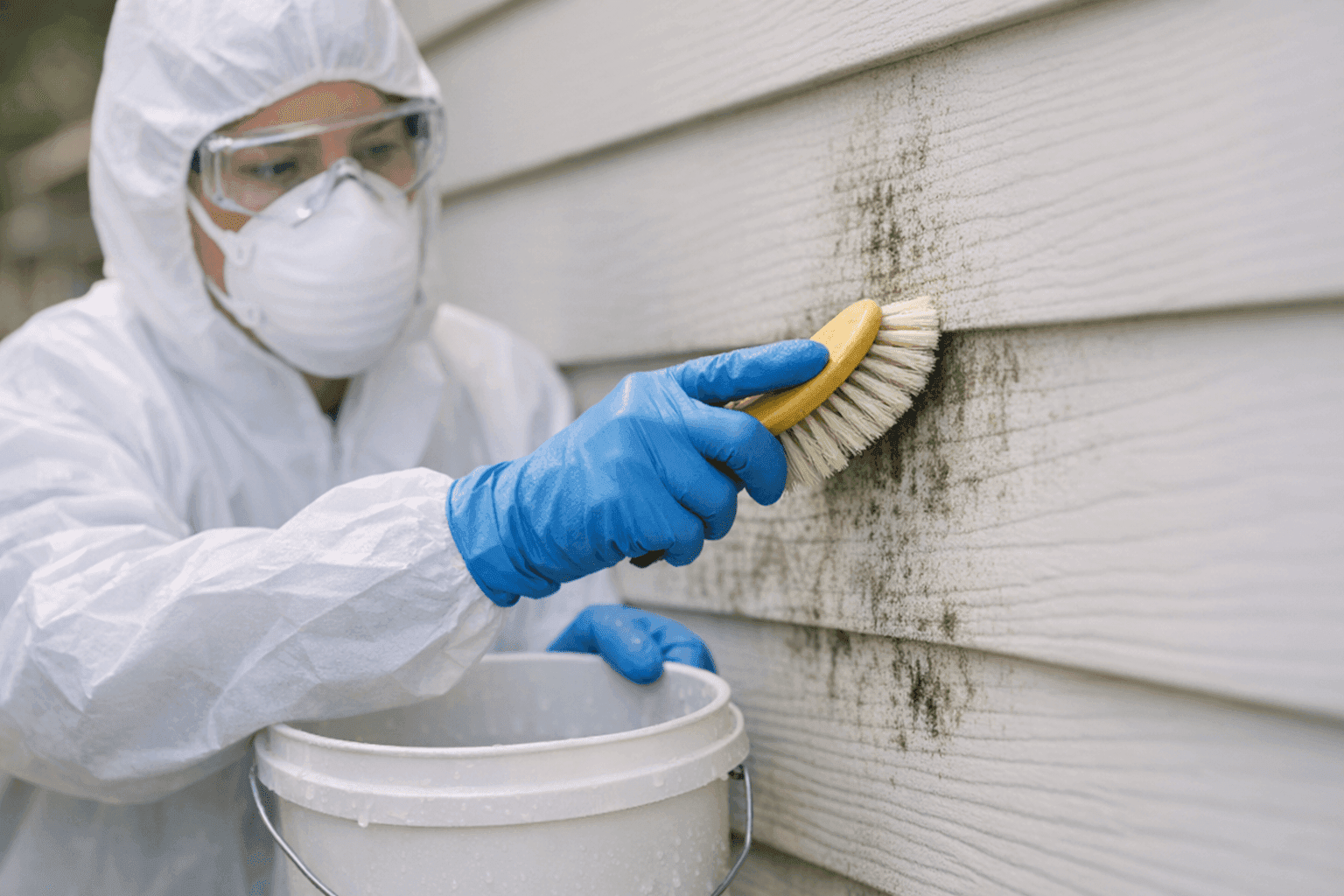
Mold on your siding isn’t just an eyesore—it’s a warning sign. Left unchecked, it can quietly eat away at your home or business exterior and even affect indoor air quality. Whether you’re a homeowner or a property manager, tackling mold on siding is a job that calls for careful attention, the right tools, and above all, safety.
At J.B. Siding, we’ve seen firsthand how quickly a small patch of mold can become a bigger problem. Let’s walk you through how to safely handle mold on siding, when it’s time to get professional help, and how to keep it from coming back.
Mold Removal Safety: Gear Up First 🧤
Before you even think about scrubbing, suit up. Mold spores are tiny travelers, and you don’t want them hitching a ride on your skin or into your lungs.
Essential Safety Gear Checklist:
- N95 respirator mask (not just a dust mask)
- Protective eyewear or goggles
- Thick rubber gloves
- Long-sleeved shirt and pants you can wash right after
- Non-slip shoes or boots
If you have allergies, asthma, or a compromised immune system, play it safe—consider letting a pro handle the job.
Pro Tip: The U.S. Environmental Protection Agency (EPA) recommends safety gear when cleaning visible mold, especially outdoors where spores can spread.
Signs Mold Is Too Advanced for DIY
Some mold jobs are best left to the pros. If you spot any of these warning signs, it’s time to stop and call in a siding specialist:
- The mold covers more than 10 square feet
- It’s growing inside cracks, under trim, or behind panels
- You see rot, crumbling, or soft siding
- Mold has a strong, musty odor that lingers after cleaning
- You have recurring health symptoms when near the area
Trying to tackle advanced mold yourself can spread spores and make the problem worse. When in doubt, get a professional siding inspection.
Choosing the Right Cleaning Solution
It’s tempting to grab the strongest cleaner you can find, but harsh chemicals can damage siding and harm plants, pets, or soil. Avoid bleach unless it’s recommended by your siding manufacturer. Instead, opt for safer, siding-friendly solutions:
- White vinegar: Natural, effective, and won’t corrode surfaces
- Oxygenated cleaner: Readily available at hardware stores; less harsh than chlorine bleach
- Mild dish soap and water: Gentle for light mold and regular siding maintenance
Never mix cleaning products, especially ammonia and bleach—this creates toxic fumes.
The Mold Cleaning Steps: A Real-World Guide
Tackling mold is like cleaning up after a muddy dog—you need patience and the right method, not brute force. Follow these steps for safer, more effective results:
- Clear the area. Move furniture, potted plants, and outdoor décor out of the way.
- Rinse with a garden hose. Use a gentle spray to wet the siding and loosen surface dirt.
- Apply cleaning solution. Use a pump sprayer or sponge, working from the bottom up to prevent streaks.
- Scrub gently. Use a soft-bristle brush—avoid wire brushes, which can scar vinyl, wood, or metal siding.
- Let it sit. Allow the solution to work for 10–15 minutes, but don’t let it dry out.
- Rinse again. Thoroughly wash away all residue.
- Inspect. If you see stubborn spots, repeat the process—never force it with sharp tools.
Tools to Avoid: Don’t Damage Your Siding
Some tools do more harm than good. Here’s what to steer clear of:
- Wire brushes or steel wool (they scratch and gouge)
- Pressure washers on high settings (can force water behind panels)
- Harsh scouring pads
- Undiluted bleach or ammonia
When in doubt, gentle is better.
When to Call a Pro: Know Your Limits
Not every mold patch is a weekend project. You’ll want professional help if:
- The mold keeps coming back after cleaning
- You see water stains, bubbling, or warping on the siding
- There’s visible damage to soffit, fascia, or trim
- Mold is present above the first story or in hard-to-reach areas
A pro can safely inspect for hidden water intrusion, recommend lasting solutions, and ensure proper siding maintenance.
What Siding Pros Do on Arrival
When you call a siding professional like J.B. Siding, here’s what you can expect:
- Thorough visual inspection (inside and out)
- Moisture meter testing for trapped water
- Expert identification of siding type and safe cleaning methods
- Recommendations for repairs or replacement if needed
- Clear communication, so you always know what’s next
We follow OSHA and industry safety guidelines to keep your property—and everyone on site—protected.
Mold and Siding Materials: Know the Difference
Vinyl, wood, fiber cement, and metal siding all have unique cleaning needs. For example:
- Wood siding: Mold can penetrate below the surface. Cleaning may reveal the need for refinishing or repairs.
- Fiber cement: Sturdy, but must be cleaned with pH-neutral products to avoid damage.
- Metal siding: Needs non-corrosive cleaners and a soft touch.
- Vinyl siding: Avoid high heat or pressure; regular cleaning helps prevent stains from setting.
Always check your siding manufacturer’s care recommendations—following them can preserve your warranty.
Preventing Mold Return: Your Long-Term Plan 🌱
Mold loves moisture and shade. Cut off its favorite conditions to keep your siding fresh:
- Trim back shrubs and trees to let sunlight hit your siding
- Fix leaky gutters and downspouts
- Direct sprinkler heads away from the house
- Clean your siding once or twice a year, especially in damp climates
- Replace missing or damaged caulk around windows, doors, and trim
A proactive approach is like sunscreen for your siding—regular attention keeps the big problems at bay.
The Cost of Doing Nothing
Ignoring mold is like ignoring a slow leak. Over time, it leads to rot, wood decay, and costly repairs—not just on the siding but potentially inside your walls. Mold growth can also hurt property value and even trigger insurance issues. Act early and save yourself the headache.
Timeline & Disruption: What to Expect
DIY mold cleaning on a single-story home usually takes a few hours. For larger or multi-story properties, or if you need repairs, expect a day or two of work from professionals. Most cleaning can be done with minimal disruption—just be sure to keep kids and pets away until the area is dry and gear is put away.
Seasonal Considerations: When to Clean
Spring and early fall are ideal times for siding cleaning. Avoid freezing days or extreme heat—cleaners and water can freeze or dry too quickly. After heavy storms, inspect your siding for new mold spots or water stains.
Common Mistakes to Avoid
- Skipping safety gear—protect yourself first
- Using high-pressure washers without training
- Cleaning in direct sun (solutions dry too fast, leaving streaks)
- Forgetting to rinse thoroughly
- Ignoring recurring mold—this signals a deeper issue
Mold FAQs
Can mold on siding make me sick?
Yes, especially if you have allergies, asthma, or a weakened immune system. That’s why safety gear is critical.
Will painting over mold fix the problem?
No. Paint can trap moisture and make mold worse. Always clean and dry the area before painting.
Does new construction siding get mold?
Even brand new homes can see mold if drainage or ventilation isn’t right. If you need "New Construction Siding near you," ensure your project includes proper flashing and moisture barriers.
Local Help for Lasting Results
Whether you’re dealing with a stubborn patch or want year-round peace of mind for your property, siding cleaning and inspection are essential steps. If you’re searching for "siding cleaning in Nashua," explore our Nashua siding services for reliable, professional support and lasting protection.
Ready to Protect Your Siding?
Don’t let mold take hold of your investment. For safe siding cleaning, repairs, or a professional inspection, reach out now.
Call J.B. Siding now — or reach us anytime at 855-598-5177 .