How to Prevent Siding Mold and Mildew
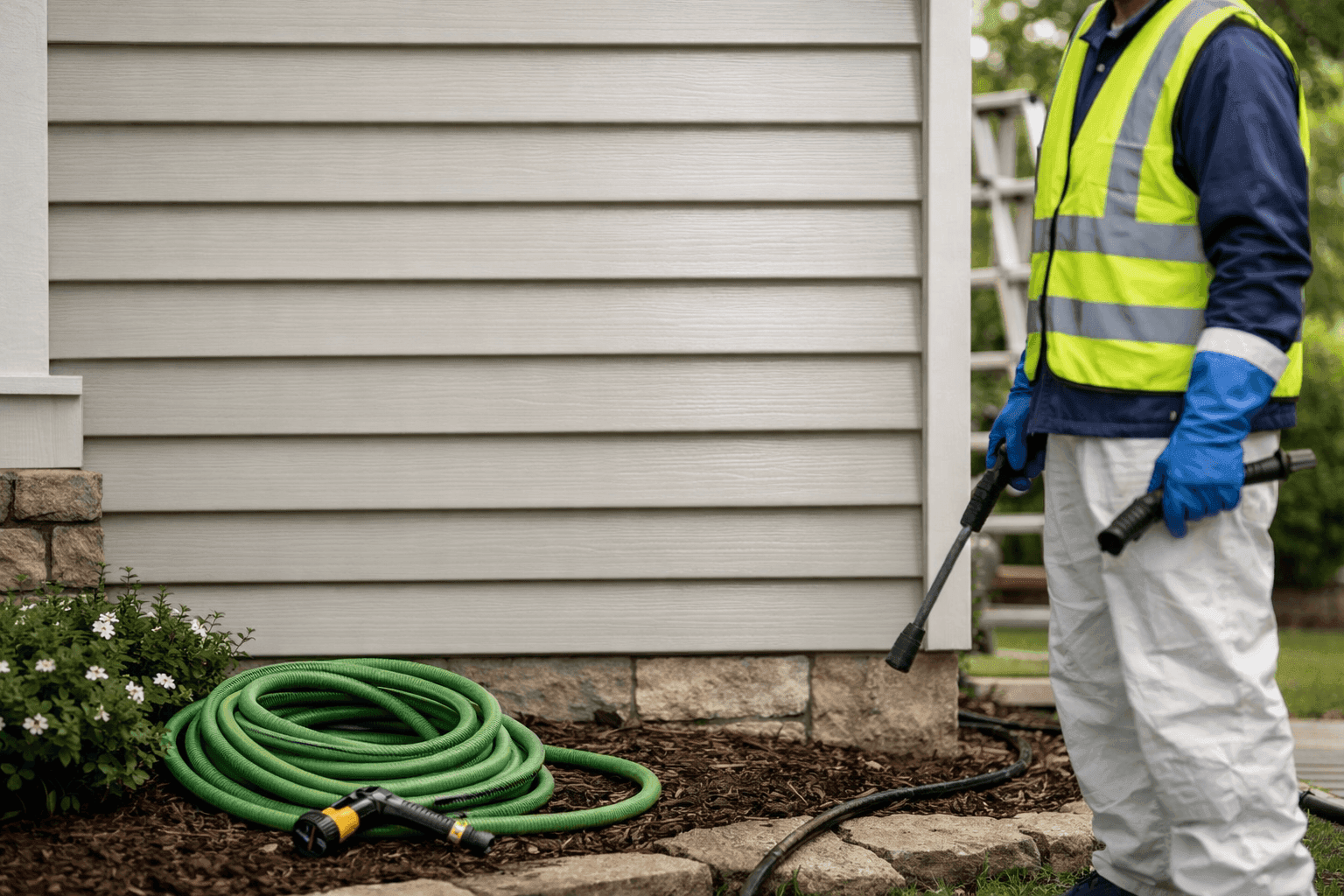
Your siding is the shield for your home or business. But even the toughest shield can get worn down by mold and mildew—invaders that never seem to quit. No one wants to see ugly green or black streaks crawling up their property.
At J.B. Siding, we’ve seen what unchecked moisture and shade can do. Let’s break down why siding mold grows, the risks, and the simple steps homeowners and business owners can take to prevent it.
Causes of Siding Mold
Ever noticed how a forgotten sandwich in a damp bag grows fuzzy overnight? Mold on siding acts the same way.
Moisture: The #1 Culprit
Mold and mildew need moisture to survive. Rain, snow melt, or even just humid air can settle on your siding. If that moisture lingers, it’s like rolling out the red carpet for spores.
Shade and Sunlight
Shady areas—often on the north-facing side or behind thick shrubs—are mold’s favorite hideouts. Sunlight helps dry things out. Shade traps dampness, letting mold thrive.
Poor Drainage and Gutter Issues
Clogged gutters or downspouts that spill water close to your siding create a soggy environment. Water pooling at the base amplifies the problem, especially if your lot doesn’t drain well.
Damaged or Aging Siding
Cracked, warped, or loose siding gives water a way in. Once inside, mold can grow undisturbed, hidden from view.
Airflow Matters
Stagnant air is like a closed room—stale and inviting for mold. When bushes or other obstacles block air from circulating around your siding, everything stays damp longer.
Understanding the Health Risks
Mold isn’t just an eyesore. It can be a real threat.
- Respiratory Problems: Mold spores can trigger allergies, asthma, and other breathing issues, especially in children and older adults.
- Structural Damage: Over time, mold can break down wood and other materials, weakening your home’s defenses.
- Indoor Risks: Mold outside can find its way in, especially if siding gaps aren’t sealed.
If anyone in your building starts sneezing, coughing, or feeling sick more often—don’t ignore it. Mold could be the silent culprit.
Risk Factors: Is Your Siding Vulnerable?
Some properties are more at risk than others. Here’s what to watch for:
- Lots of trees or heavy landscaping close to walls
- Siding facing north or always in shade
- Old, damaged, or poorly maintained siding
- Gutter issues—overflow, leaks, or missing sections
- Siding materials prone to moisture (like wood)
- History of roof or foundation leaks
Prevention Best Practices 🛡️
Think of siding maintenance like brushing your teeth. Do it regularly, and you’ll avoid bigger problems down the road.
Clean Siding Regularly
- Use a garden hose and soft brush every few months.
- Avoid pressure washing unless you know your siding is rated for it.
- For stubborn spots, use a siding-safe cleaner (always follow the label!).
Keep Gutters and Downspouts Clear
- Remove leaves and debris at least twice a year.
- Check for leaks or loose sections after big storms.
Trim Back Landscaping
- Cut shrubs and trees at least 1–2 feet away from siding.
- This lets air and sunlight reach the surface.
Inspect for Damage
- Look for cracks, warping, or missing pieces.
- Repair issues quickly to keep water out.
Encourage Airflow
- Don’t stack firewood, tools, or debris against your siding.
- Make sure vents (especially soffit and fascia) are clear and working.
Drainage Solutions
- Make sure water flows away from your foundation.
- Grade soil or add drainage as needed.
For more on long-term siding care, check out our siding maintenance services.
Cleaning Methods: What Works—and What Doesn’t
A little elbow grease can go a long way, but the right tools matter.
DIY Siding Cleaning
- Mild Soap and Water: Great for light mildew and general dirt.
- Vinegar Solution: One part white vinegar to three parts water helps kill mold naturally.
- Oxygen Bleach: Safer for plants and effective on tough stains. Always rinse thoroughly.
What to Avoid
- Power Washers: Unless you have the know-how, these can force water behind the siding.
- Harsh Chemicals: Some cleaners damage siding or kill nearby grass and flowers.
Safety First
- Wear gloves and eye protection.
- Avoid standing on unstable ladders. When in doubt, hire a pro.
Signs Your Siding Needs Attention
Mold and mildew don’t always advertise themselves loudly. Here’s what to watch for:
- Discoloration—green, black, or brown patches
- Musty odors near the siding
- Peeling paint or bubbling surfaces
- Soft, spongy spots on wood siding
- Water stains running down walls
If you spot any of these, prompt action can save you bigger headaches.
Why Regular Siding Cleaning Matters
Cleaning isn’t just about curb appeal. It’s about protecting your investment.
- Prevents permanent staining and decay
- Extends siding lifespan
- Reduces risk of costly repairs or replacements
- Keeps your family or employees healthier
You wouldn’t skip regular oil changes on a new car. Don’t skip siding cleaning, either. For a deeper clean, J.B. Siding offers professional siding cleaning.
Seasonal Considerations for Mold Prevention
Every season brings new challenges.
- Spring: Melting snow and rain = extra moisture. Inspect for winter damage.
- Summer: Humidity can spike mold growth. Clean and clear gutters after storms.
- Fall: Falling leaves clog gutters and trap moisture.
- Winter: Ice dams and snow can force water behind siding. Check for leaks after thaws.
Plan your maintenance calendar around these cycles for best results.
Siding Materials: Who’s Most at Risk?
Not all siding is the same. Some materials hold up better than others.
- Vinyl: Low maintenance, but algae can still grow in shade.
- Wood: Needs sealing and frequent inspection. Prone to rot and mold if neglected.
- Fiber Cement: Resistant, but can develop mold on the surface.
- Metal: Less likely to rot, but vulnerable where paint or coating is damaged.
- Stucco: Can hide moisture problems beneath the surface.
If you’re not sure what you have, a siding inspection can help. Or, for a full breakdown of options, check our siding weatherproofing solutions.
Siding Ventilation and Airflow Tips
Think of your siding like a raincoat—it only works if air can dry it out. Here’s how to help it breathe:
- Install or repair soffit and fascia vents.
- Add vented trim or moldings where possible.
- Make sure attic and crawlspace areas are ventilated to prevent heat and moisture build-up.
Building codes (like those from the International Residential Code) recommend proper ventilation for a reason. It’s not just about comfort—it’s about safety and longevity.
Common Mistakes to Avoid
- Ignoring shaded areas—these are mold magnets.
- Using the wrong cleaning products (or too much pressure).
- Forgetting to check behind bushes and under decks.
- Skipping gutter checks.
- Putting off small repairs until they balloon into big ones.
A little attention now can save a lot of money and hassle later.
When to Seek Help 🏠
Some mold problems are bigger than a bucket and brush can handle. Call in a pro if:
- Mold keeps coming back, no matter how much you clean.
- You see large patches, especially black or dark green.
- The siding feels soft, spongy, or is crumbling.
- Mold has spread indoors.
- You’re not sure what type of siding you have, or how to clean it safely.
A professional will assess the problem, recommend the safest solutions, and make sure mold doesn’t come back to haunt you.
What to Expect When Pros Arrive
Here’s how a typical siding mold remediation visit goes:
- Full inspection—inside and out.
- Moisture readings and airflow checks.
- Safe, siding-appropriate cleaning.
- Recommendations for repairs or upgrades (if needed).
- Advice on future prevention.
At J.B. Siding, we handle everything from siding inspection to siding replacement in Washington, DC and beyond.
Timeline, Disruption, and What It Costs
- DIY cleaning: A couple of hours for a small home; longer for heavy growth.
- Professional cleaning: Can be done in a day for most homes or small businesses.
- Major repairs: May take multiple days, especially if siding needs replacing.
Costs vary. It depends on your siding type, the size of the area, and the extent of the damage. The peace of mind? Priceless.
Quick Safety Checklist Before You Start
- Wear gloves, mask, and eye protection.
- Move or cover landscaping to protect it from cleaners.
- Use stable ladders or platforms.
- Read all product labels carefully.
- Don’t mix cleaning chemicals.
Stay safe, always.
Frequently Asked Questions
How often should I clean my siding to prevent mold?
At least once a year. More often if your property is shaded or near trees.
Does new construction siding get mold?
Yes—if not maintained and cleaned. Good news: starting with New Construction Siding means you can set strong habits from day one.
Can siding mold come back?
If the underlying moisture or airflow problems aren’t fixed, yes.
Is mold covered by my siding warranty?
Check your warranty. Many cover manufacturing defects—not mold from neglect.
Take Action—Protect Your Home and Health
Mold and mildew on siding are stubborn, but not unbeatable. With regular checks, smart cleaning, and a little help from the pros, you can keep your home or business looking sharp—and your air fresh.
Call J.B. Siding now — or reach us anytime at 855-598-5177 .