How to Prevent Insect and Pest Damage to Siding
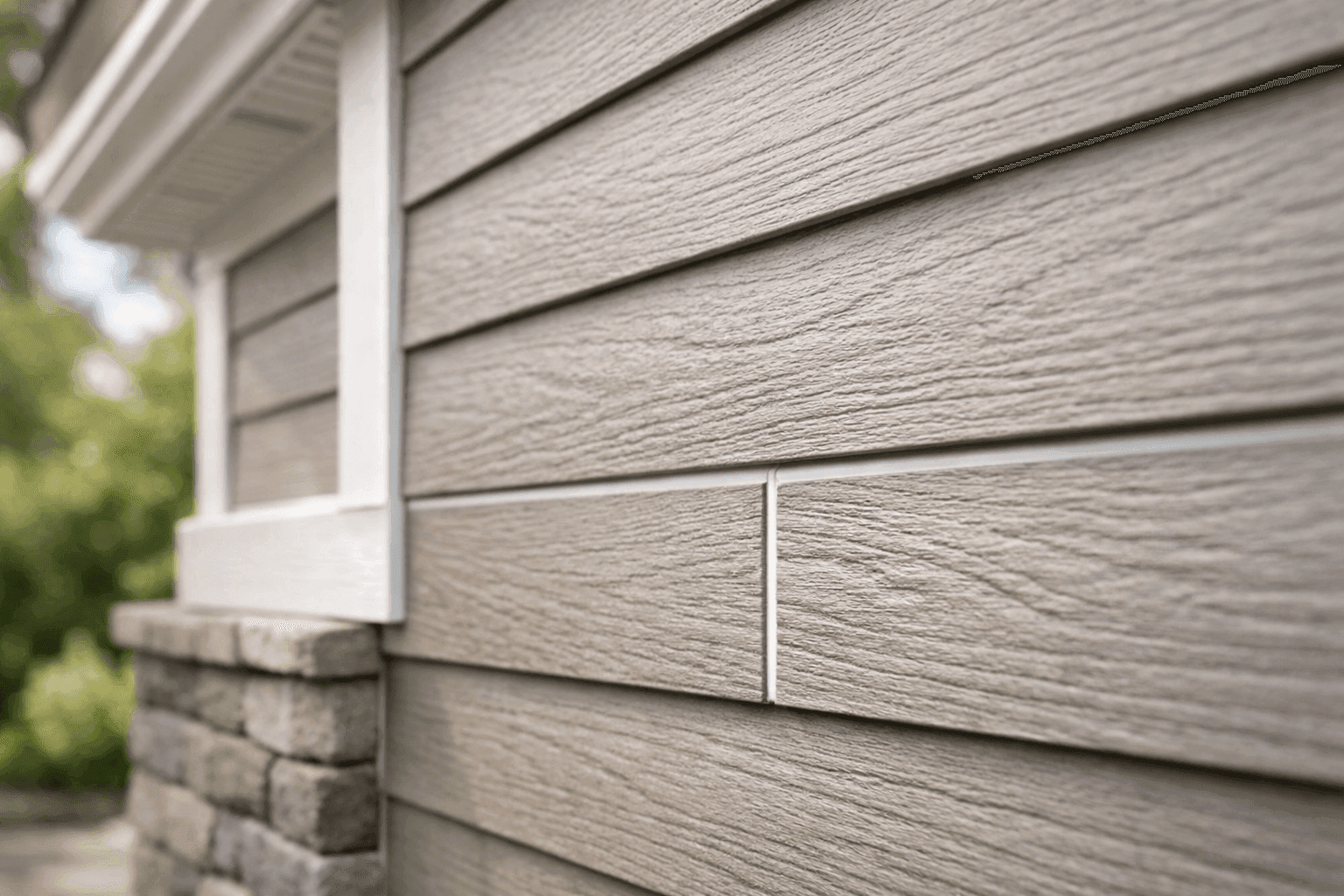
Is your siding under attack? You might not see it from the curb, but pests are masters of quiet destruction. Insects and rodents don’t just sneak into attics—they target siding, too. At J.B. Siding, we know the signs. And we know how fast a small problem can spiral.
Let's dig into which pests cause the most trouble, how they damage siding, and what you can do right now to keep your home or business protected. Prevention pays off. Here’s how to stay one step ahead.
Common Siding Pests 🕷️
Some pests love siding like a squirrel loves an acorn. Here’s who to watch out for:
- Termites: The heavyweight champs of hidden destruction. They bore into wood siding, creating tunnels and weakening structures.
- Carpenter Ants: Not just a picnic nuisance. They carve galleries in damp wood, especially where siding meets foundation or trim.
- Powderpost Beetles: Tiny, but relentless. Their larvae chew through wood, leaving a fine powder behind.
- Carpenter Bees: Drill perfect round holes in siding to build nests for young bees.
- Wasps and Hornets: Set up shop behind loose panels or inside soffits.
- Mice and Rats: Squeeze through small gaps in siding or trim, seeking warmth and food.
- Spiders and Insects: Take advantage of cracks or unsealed joints to make webs or nests.
Each pest brings its own set of problems. But they all share one thing: they’re opportunists.
Damage They Cause
Pests don’t just cause cosmetic issues. Their presence can snowball into serious repairs:
- Structural Weakness: Termites, ants, and beetles can hollow out wooden siding. Over time, this may threaten the safety of the building.
- Water Infiltration: Holes or gaps created by pests let water in, leading to rot, mold, and swelling.
- Paint and Finish Damage: Insects crawling or nesting beneath paint can cause bubbling, peeling, and discoloration.
- Increased Energy Costs: Rodents gnawing through siding or insulation can create air leaks—making heating or cooling less efficient.
- Health Hazards: Rodent droppings, wasp nests, or insect infestations can bring allergens into your living or working space.
Even metal and fiber cement siding aren’t immune. While wood is most at risk, pests find ways to exploit any weakness.
Signs of Pest Trouble
How do you know if pests are lurking in your siding? Watch for these clues:
- Small piles of sawdust (frass) at the base of walls
- Tiny round holes in wood or along trim
- Bubbling or peeling paint
- Unexplained rustling or tapping sounds inside walls
- Visible nests behind panels or in soffits
- Soft or spongy areas when you push on siding
- Trails or droppings along the foundation
Don’t ignore these warnings. A stitch in time saves nine—and often, a lot of money.
Prevention Tips: Keep Siding Pest-Free
Prevention is always easier than pest control. Here’s your action plan:
1. Seal Gaps and Cracks
Think of your siding like a fortress. Gaps are open gates. Inspect seams, joints, and places where siding meets windows, doors, or the foundation. Use exterior-grade caulking or sealant to close any openings.
- Pay special attention to soffits, fascia, and where utilities enter the building.
- Check for loose or missing trim and repair promptly.
2. Keep Siding Clean
A clean house isn’t just for show. It removes tempting food sources (like mold, algae, or debris) that attract bugs.
- Wash siding annually using a soft brush or low-pressure washer.
- Clear away spider webs, wasp nests, and leaf buildup.
- Use mild soap—avoid harsh chemicals that can damage finishes.
3. Control Landscaping
Nature’s beauty can turn into a pest highway. Keep shrubs, trees, and climbing plants trimmed at least 12–18 inches from your siding.
- Don’t stack firewood or mulch directly against your home.
- Avoid letting vines climb siding—they hold moisture and provide cover for insects.
4. Manage Moisture
Pests love damp, rotting wood. Make sure your gutters and downspouts are working properly.
- Clear leaves and debris from gutters regularly.
- Slope soil away from your foundation to prevent pooling water.
- Fix leaks in siding, flashing, or caulking immediately.
5. Use Pest-Resistant Materials
When replacing or upgrading siding, consider modern options:
- Fiber cement and vinyl siding are less attractive to wood-boring insects.
- Metal siding offers extra resistance to chewing and burrowing.
- For wood siding, always use pressure-treated or naturally resistant species.
6. Schedule Regular Inspections
Don’t wait for damage to show. Schedule a professional siding inspection annually—or after severe weather.
- Inspections can spot early warning signs you might miss.
- They also help keep your siding warranty valid.
Quick Safety Checklist
Before you start cleaning or repairing siding, take a moment:
- Wear gloves and eye protection when working with chemicals or debris.
- Use sturdy ladders on level ground.
- Read all product labels before applying sealants or cleaners.
- If you see active wasp nests or signs of rodents, call a pro before disturbing them.
Following basic safety steps keeps your project on track—and you out of harm’s way.
DIY or Call a Pro?
Some siding tasks are perfect for a Saturday afternoon. Others need more muscle.
DIY-friendly:
- Cleaning siding
- Sealing small gaps with caulk
- Trimming back shrubs
Call the pros for:
- Large areas of insect damage
- Soft or rotted siding
- Active rodent or bee infestations
- Major repairs or replacement
If you're unsure, it’s always better to get professional advice. The cost of a mistake can be much higher than a quick consultation.
What Pros Do On Arrival
When J.B. Siding arrives, we start with a thorough assessment:
- Identify the pest and the extent of the damage
- Check siding, trim, soffits, and gutters for hidden entry points
- Recommend targeted repairs, from siding repair to replacing affected sections
- Advise on long-term solutions—like ventilation, flashing, or new construction siding near you
We use safe, code-compliant methods, referencing standards from organizations like the International Residential Code (IRC) and EPA guidelines for pest control.
Siding Maintenance: Your Best Defense
Routine maintenance is the shield that keeps pests at bay:
- Clean your siding every year
- Inspect after storms, wind, or heavy rains
- Repair minor cracks or holes immediately
- Replace caulking and sealant as it ages
- Repaint or re-stain wood siding every few years
Keeping up with these tasks doesn’t just prevent pests—it extends the life and beauty of your home.
Timeline & Disruption
Most siding prevention or repair projects are quick—often done in a day or two. Severe infestations or extensive repairs may take longer, but we always aim to minimize disruption.
- Cleaning: 2–4 hours, depending on house size
- Sealing gaps: 1–2 hours
- Minor repairs: 1 day or less
- Major replacement: Varies (we’ll give you a clear timeline up front)
We work with you to schedule services at convenient times, and always clean up when we’re done.
Seasonal Considerations
Pest activity changes with the seasons:
- Spring: Insects emerge; inspect siding after thaw.
- Summer: Watch for wasps, bees, and increased moisture.
- Fall: Rodents seek warmth; check for gaps.
- Winter: Icicles and snowmelt can worsen gaps and rot.
Plan your maintenance before each season’s peak pest activity for the best results.
Costs & Time Factors
Prevention is always less expensive than repair. A few tubes of caulk and an afternoon of work can save thousands in the long run.
- Annual maintenance: Low cost, high value
- Minor repairs: Affordable, quick
- Major repairs or replacement: Investment-level, but worth it to protect your property
Insurance may cover certain types of pest damage—check your policy.
Common Mistakes to Avoid
- Ignoring small signs of damage
- Using the wrong caulk or sealant (always choose exterior-grade)
- Power-washing siding at too high a pressure
- Letting landscaping grow unchecked
- Delaying professional inspections
A little vigilance goes a long way.
When It’s an Emergency
Some pest problems can’t wait. Call immediately if you:
- Spot large, active wasp or bee nests near doors or windows
- Notice widespread wood rot or siding collapse
- Find rodents inside walls
- See water pouring in after a storm
Quick action keeps your family, tenants, or business safe.
FAQ: Siding & Pest Damage
Q: Can pests get through vinyl or metal siding? A: While less common, pests can exploit loose panels, gaps, or damaged sections. Regular checks are still important.
Q: Does cleaning siding remove all pests? A: Cleaning helps, but sealing and maintenance are key for long-term prevention.
Q: When should I replace siding vs. repair it? A: If damage is widespread or structural, replacement is safer. For local spots, siding maintenance and repair keep costs down.
Q: What if I’m in Orem or nearby? A: J.B. Siding proudly provides pest-resistant siding solutions in Orem for residential and commercial properties.
Your Next Step
Pest damage doesn’t have to be a nightmare. With simple steps and smart siding choices, you can protect your property year-round. If you spot signs of trouble—or just want a professional eye—reach out today.
Call J.B. Siding now — or reach us anytime at 855-598-5177 .