How to Plan a Siding Project: Timeline and Steps
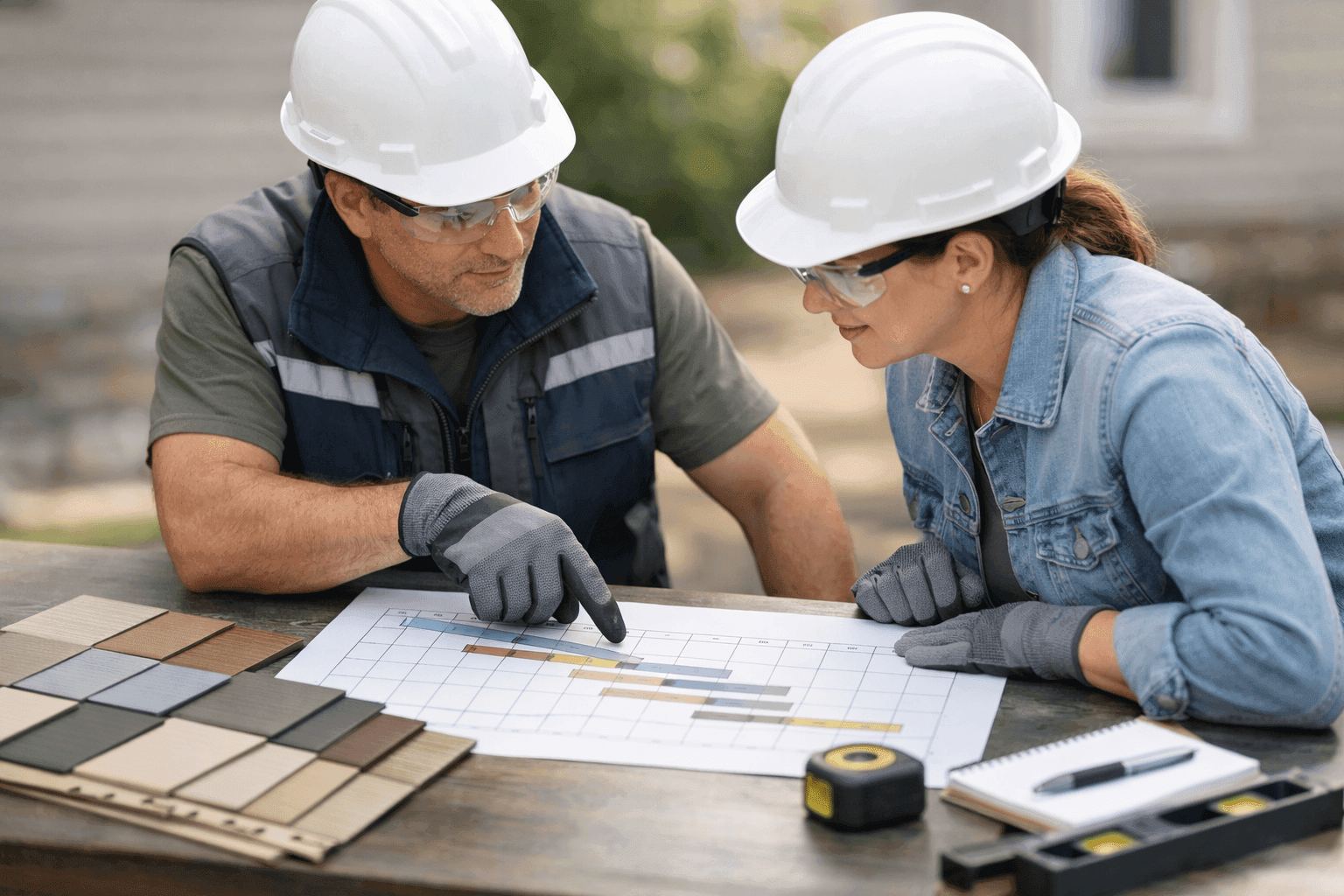
Planning a siding project can feel like preparing for a cross-country road trip. There are maps to consult, weather to watch, and a whole lot of steps to cover before you arrive at your “new home” look. At J.B. Siding, we know every project is a big investment—both in time and peace of mind.
Whether you’re looking at New Construction Siding near you, or need to refresh a timeworn exterior, a well-planned approach makes all the difference. Here’s a practical guide to help you understand what lies ahead, what could slow things down, and how to keep your project running smoothly.
Siding Project Phases: The Big Picture 🏗️
Every siding project follows a rhythm. Think of it like building a campfire: gather your materials, prep your space, and follow each step for a safe, satisfying result.
Assessment: The Starting Line
Before anything else, a thorough siding consultation is essential. A professional checks your home or business for damage, ventilation needs, and structural quirks. This step identifies issues that could complicate installation—like hidden rot, outdated insulation, or tricky roof lines.
- Inspect for water damage, pests, or warping
- Review local building codes (refer to the International Residential Code and local ordinances)
- Note any special access needs (multi-story, landscaping, etc.)
Material Selection: The Heart of the Project
Choosing siding is more than picking a color. Your decision affects energy efficiency, maintenance, and curb appeal for years.
- Consider vinyl, fiber cement, wood, metal, or stucco siding
- Factor in local weather patterns and sun exposure
- Balance budget, style, and longevity
- Ask about eco-friendly siding options if sustainability matters to you
Timeline Expectations
How long does a siding project take? The answer is, “It depends”—but there are rough guideposts.
Typical Timelines (for residential projects)
- Consultation & Inspection: 1–3 days
- Material Ordering/Delivery: 1–3 weeks (depends on availability)
- Preparation: 1–2 days
- Installation: 3–14 days (size, material, and weather make a big difference)
- Cleanup & Final Inspection: 1–2 days
Commercial projects or custom solutions may require more lead time for approvals and logistics.
Scheduling & Preparation: Keeping the Train on Track
Once you’ve selected your materials, it’s time to set a project schedule. Communication is key—think of this as setting the GPS before a trip.
- Set clear start and end dates, but allow for flexibility
- Notify neighbors if work will be noisy or disruptive
- Remove outdoor furniture, plan for pet safety, and clear driveways or walkways
- Budget for weather delays, especially in storm-prone months
Pre-Installation Checklist
A little prep goes a long way:
- Trim trees and shrubs near siding
- Remove wall-mounted items (lights, hose reels, planters)
- Ensure electrical outlets are accessible if needed
- Review safety plans with your contractor (OSHA guidelines are a good reference)
Installation: The Main Event
Now, your property transforms. This phase follows the sequence:
- Remove old siding (if needed)
- Repair sheathing or flashing
- Install insulation and weather barriers
- Attach new siding, trim, soffit, and fascia
- Integrate ventilation and gutter systems as needed
Experienced crews work efficiently, but attention to detail matters most. A rushed job can lead to callbacks or, worse, water damage down the line.
Siding Project Timeline & Disruption
No one likes surprises—especially when it comes to noise or access. Expect:
- Some dust and noise during removal and cutting
- Temporary dumpster placement for debris
- Possible need to move vehicles or cover landscaping
A good crew cleans up daily, keeping your home as livable as possible.
Managing Delays: What Can Slow Down a Siding Project? ⏳
Even the best-laid plans can hit a pothole or two. Here’s what to watch for:
- Weather: Rain, high winds, or freezing temps can pause work
- Material shortages: Custom colors or premium materials may have longer lead times
- Hidden damage: Discovering rot or pests can require extra repairs
- Permits: Some municipalities require inspections at each phase
Pro tip: Stay in close contact with your project manager. Clear communication is the best way to keep surprises to a minimum.
Common Mistakes and How to Avoid Them
- Skipping the inspection: Missing hidden issues leads to bigger repairs down the road. Always start with a siding-inspection.
- Poor planning: Rushing material selection or scheduling can cause costly delays.
- DIY gone wrong: Some repairs look simple, but incorrect flashing or sealing can allow water intrusion and void warranties.
Siding Maintenance & Prevention
Once your new siding is up, maintenance is your best friend.
- Schedule regular cleanings to remove dirt and mold
- Inspect caulking, paint, and seals every season
- Address minor repairs before they grow
If you notice warping, cracking, or color fade, it might be time to consider siding-replacement.
What Pros Do On Arrival
When your crew arrives, expect them to:
- Walk through the site with you
- Confirm the plan and any unique needs
- Set up safety barriers and equipment
- Review day-by-day expectations
This step ensures you’re comfortable and confident as work begins.
Costs & Budgeting Factors
Budgeting for siding is like building a puzzle. Each piece—material, labor, prep, and unforeseen repairs—fits together for the final cost.
- Material type and grade
- Size and complexity of your building
- Regional labor rates
- Removal/disposal of old siding
Ask for a detailed estimate and clarify what’s included.
Safety First: Quick Checklist
Safety is priority one. A reputable siding contractor follows all Occupational Safety and Health Administration (OSHA) guidelines.
- Use of harnesses and scaffolding for high work
- Safe tool use and debris management
- Clear walkways and emergency access
If you see unsafe practices, speak up—your property and the crew’s wellbeing come first.
DIY vs. Call a Pro
Some maintenance tasks (like cleaning or light caulking) can be DIY. But for installation, repairs, or storm restoration, it’s best to call in the professionals. Incorrect installation can void manufacturer warranties and lead to costly water or structural damage.
When It’s an Emergency
Storm damage or sudden leaks need urgent attention. Many contractors offer emergency siding services to secure your property and prevent further issues. Document damage for insurance and call your siding team as soon as possible.
Seasonal Considerations
Siding projects run year-round, but spring and fall are ideal—moderate weather means fewer delays. In winter, freezing temps can impact materials (especially caulking and paint). In summer, extreme heat can slow down crews and complicate installation.
Signs of Trouble: When to Act
Don’t wait if you notice:
- Peeling paint or fading color
- Warped or cracked panels
- Soft spots (possible rot)
- Gaps at seams or corners
- Unexpected spikes in energy bills
Timely action can save you money and hassle.
Final Inspection & Follow-Up 🧐
After installation, a walkthrough ensures every detail meets your expectations.
- Check seams, trim, and flashing for proper installation
- Confirm caulking and paint are even and clean
- Ask questions—your contractor should be happy to explain their work
Request a copy of your warranty and maintenance guidelines for future reference.
FAQ: Your Siding Project Questions Answered
How do I pick the right siding material?
Balance your style, climate, and maintenance preferences. A good siding-consultation helps you weigh pros and cons.
Will I need permits?
Most municipalities require permits for siding replacement or major exterior work—your contractor should handle this.
How do I find reliable siding installation near me?
Check reviews, ask for references, and make sure they follow OSHA and IRC guidelines for safety and quality.
What about color?
Many companies offer siding color consultation to help you match your architecture and neighborhood.
How can I keep my project on track?
Stay in touch with your project manager, confirm schedules, and prepare your property in advance.
Ready to Start Your Siding Project?
From planning and inspection to the final walkthrough, a smooth siding project is all about preparation, clear communication, and skilled hands. Whether you’re planning a quick siding repair, a full replacement, or looking for New Construction Siding near you, J.B. Siding can guide you every step of the way.
Looking for a trusted siding contractor for your next project? Explore our Scottsdale siding services for residential and commercial properties.
Call J.B. Siding now — or reach us anytime at 855-598-5177 .