How to Pick the Perfect Siding Color
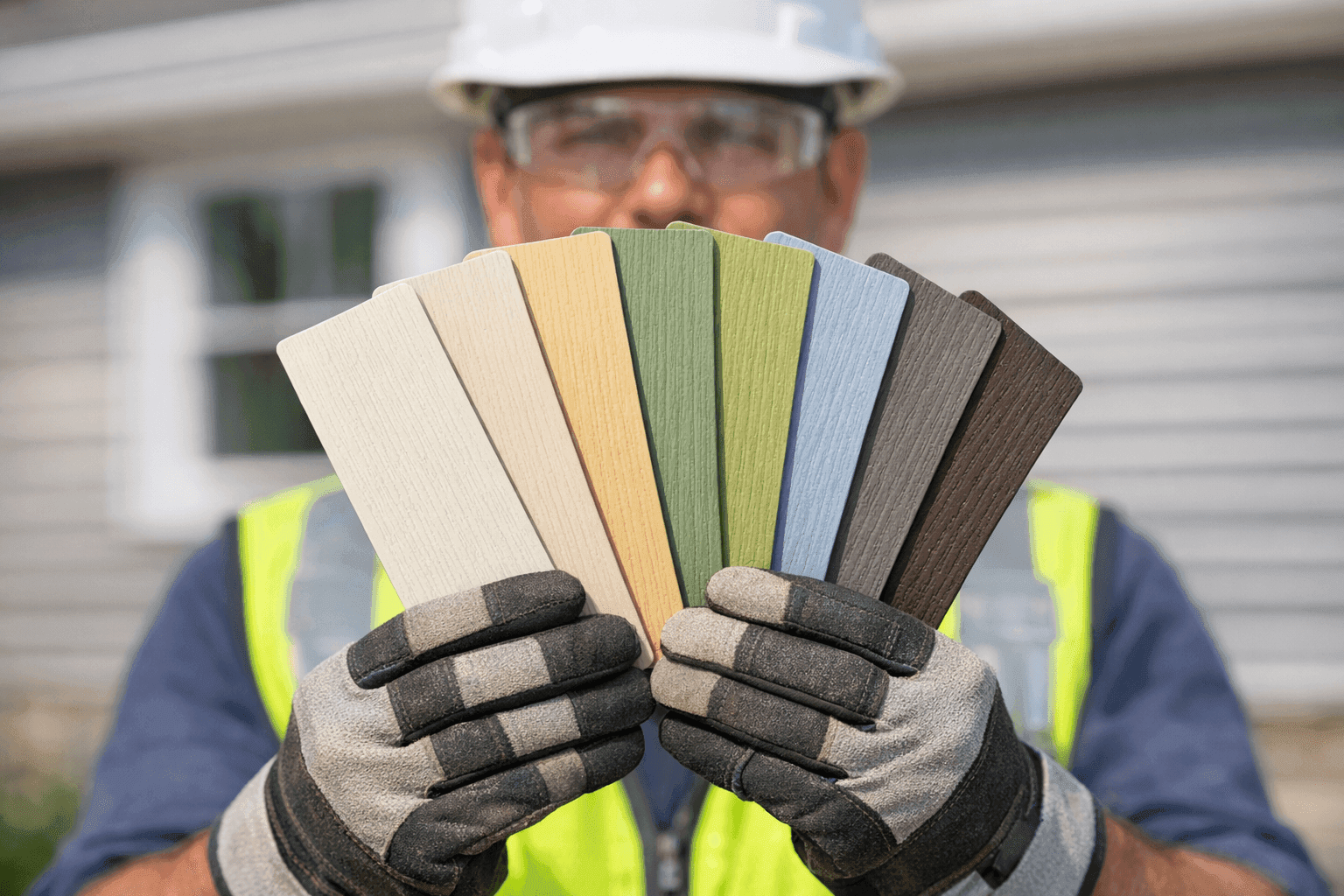
Choosing siding color can feel as daunting as picking out new shoes for a big event. It’s not just about looking good today—it’s about making sure your home or business feels welcoming for years to come. At J.B. Siding, we know how much the right color matters, both for curb appeal and peace of mind.
Whether you're a homeowner eyeing a fresh look or a business looking for that perfect blend of professional and inviting, color choice is a decision with staying power. Let’s break down the process into something simple, practical, and even a little fun.
Color Basics: The Heart of Siding Style 🎨
Colors tell a story. Some whisper calm and comfort; others shout energy and excitement. Before you dive into samples, it helps to understand a few basics:
- Warm vs. Cool Tones: Warm colors (like reds, yellows, and browns) can make your building feel cozy. Cool colors (blues, greens, grays) bring a crisp, clean vibe.
- Light vs. Dark: Light siding makes spaces look larger and more open, reflecting sunlight and brightening shadows. Darker shades create drama and can make trim pop.
- The Color Wheel: Opposites attract! Pairing colors from opposite sides (complementary) or those next to each other (analogous) can help you find harmony or contrast, depending on what you want.
If you’re ever stuck, try holding up paint swatches at different times of day. Light changes everything.
Matching Architecture: Let Your Building Lead
Every building has a personality. Colonial homes often shine with traditional whites or pale blues. Modern designs might suit bold contrasts or deep charcoal hues. Here’s how to work with what you’ve got:
- Roof & Trim: Your siding shouldn’t clash with your roof or trim. If your roof is a prominent color—say, forest green or brick red—neutral siding (like beige, gray, or soft taupe) is a safe bet.
- Material Matters: Wood siding absorbs color differently than vinyl or metal. What works for one might look off on another.
- Neighborhood Vibe: While you want to stand out, consistency with your surroundings can actually help your property value. Take a walk around the block. What colors dominate?
For new builds, consulting local design guidelines or even the International Residential Code (IRC) for materials and finishes can help ensure compliance and lasting beauty.
Popular Trends: What’s Hot, What’s Not
Trends come and go, but some colors have real staying power:
- Earthy Greens & Blues: Nature-inspired shades are popular for both homes and commercial buildings, offering a timeless, grounded look.
- Charcoal & Black Accents: These give a modern edge and work especially well with metal siding installations.
- Warm Whites & Creams: These never go out of style—great for a clean, fresh appearance.
- Bold Front Doors: Consider adding a pop of color on your entryway for instant curb appeal.
Seasonal changes influence trends, too. Spring and summer favor lighter, breezier tones, while autumn and winter bring out deep, cozy shades.
Making the Final Choice
So you’ve narrowed it down. Now what? Here are a few golden rules:
- Test Big Swatches: Don’t rely on tiny chips. Try painting a section of siding or using large sample boards.
- Think About Resale: According to the National Association of Realtors, neutral and broad-appeal colors can help boost your home’s value and attract buyers.
- Maintenance Counts: Dark colors may fade faster in sunny climates. Lighter shades tend to hide dust and weathering a bit better.
- Personal Satisfaction: You’ll see this color every day—make sure it’s something you genuinely love.
Balancing Siding With Roofing, Trim, and Gutters
Imagine a beautiful frame around a painting. That’s what trim and gutters do for your siding. Some practical ideas:
- Use contrasting trim to highlight architectural features.
- Match gutters and downspouts for a seamless, finished look.
- If your roof is a cool tone, consider siding in a complementary cool or neutral shade.
Every detail matters, from soffit and fascia installations to trim and molding. This attention to detail gives homes and businesses that polished, intentional appearance.
Color and Curb Appeal: The Resale Factor
The right siding color isn’t just about style—it’s a smart investment. Appraisers and buyers often judge a property’s value within seconds of seeing it. A well-chosen siding color can:
- Boost perceived property value
- Make your space look larger or more inviting
- Help commercial properties attract more foot traffic
Neutral, classic tones tend to appeal to the widest audience, but don’t be afraid to add your own twist.
Seasonal Trends: Adapting Your Choice
Colors can look different throughout the year. Snow, rain, sunshine, and even the color of your landscaping will play off your siding. Consider:
- Sun exposure: UV rays break down pigments over time, especially on south-facing walls.
- Local climate: Wet or humid weather can cause certain colors to appear darker or lighter.
- Foliage: The color of trees and plants around your property changes seasonally—think about how your siding will look in spring blossoms, summer greens, fall leaves, and winter snow.
Maintenance Considerations: Keep It Looking Fresh 🧽
Some colors and finishes need more TLC than others:
- Darker shades require more frequent washing to look crisp.
- Matte or textured finishes can hide smudges, but smooth, glossy siding might show every fingerprint.
- Siding material affects maintenance—vinyl is low-maintenance, while wood needs more regular care and protection.
For long-term satisfaction, think about how much effort you’re willing to put into upkeep. If you want more tips on siding maintenance and cleaning, see our residential siding solutions.
Safety Checklist: Color & Building Codes
Some neighborhoods, especially historic districts, regulate siding color. Before you commit:
- Check with your HOA or local building department.
- Confirm that your choice meets fire safety and reflectivity guidelines, especially for commercial siding.
The International Building Code (IBC) offers guidance on materials and finishes for safety and durability.
DIY vs. Call a Pro: When to Get Help
Sample boards and digital renderings are a great start. But there’s nothing like on-site consultation. Professional siding installers can:
- Advise on color fastness and weather resistance
- Show real-life examples from other projects
- Help coordinate with other trades (roofers, painters, gutter installers)
If you’re planning a big change or want the confidence of an expert eye, consider a siding color consultation to guide your decision.
Cost and Time Factors: Color’s Hidden Price Tag
Some siding colors and materials are more expensive—not just to buy, but to maintain. Special order hues, custom blends, or rare finishes can add to both upfront and long-term costs. Plus, certain colors might require extra prep or more coats of paint.
Ask your contractor for a realistic timeline. Weather, supply chain, and labor availability all play a role.
Signs It’s Time for a Change
If your siding looks faded, patchy, or has visible repairs in mismatched shades, it’s probably time for a refresh. Discoloration, peeling paint, or mildew stains can all signal that your siding—and its color—need attention.
Emergency Color Changes: When Speed Matters
Storm damage happens. Sometimes you need emergency siding services to restore curb appeal and structural soundness—not just patch things up. Fast, seamless color matching is crucial in these situations.
If you’re searching for New Construction Siding near you, or need urgent repairs, turn to local pros who know how to get the color right the first time.
Common Mistakes to Avoid
- Picking a color based only on a catalog or screen—always test in real light.
- Ignoring the undertones in your roof, trim, and landscape.
- Forgetting about long-term maintenance.
- Overlooking neighborhood or code restrictions.
Frequently Asked Questions
How long will my siding color last?
That depends on material and sun exposure. Quality vinyl and fiber cement can keep their color for decades with proper care.
Can I paint over existing siding?
In many cases, yes. But always check manufacturer guidelines and prep thoroughly.
Will a trendy color hurt resale value?
Not if you balance trends with timeless elements. Neutral main colors with a trendy accent is a safe bet.
Timeline & Disruption: What to Expect
Most color changes can be done in a few days to a week, depending on the size and material of your building. Expect some noise, a bit of dust, and the satisfaction of watching your property transform.
The Power of Professional Guidance
Color choice is personal, but it’s also technical. A siding pro can help you weigh all the factors—style, resale, maintenance, climate, and code—so you not only love your choice today, but for years down the road.
Looking for more inspiration or ready to get started? If you're in the area, check out our Waukegan siding services for local expertise and a full range of siding options.
Ready for a color that lasts? Call J.B. Siding now — or reach us anytime at 855-598-5177 .