How to Match New Siding With Existing Trim
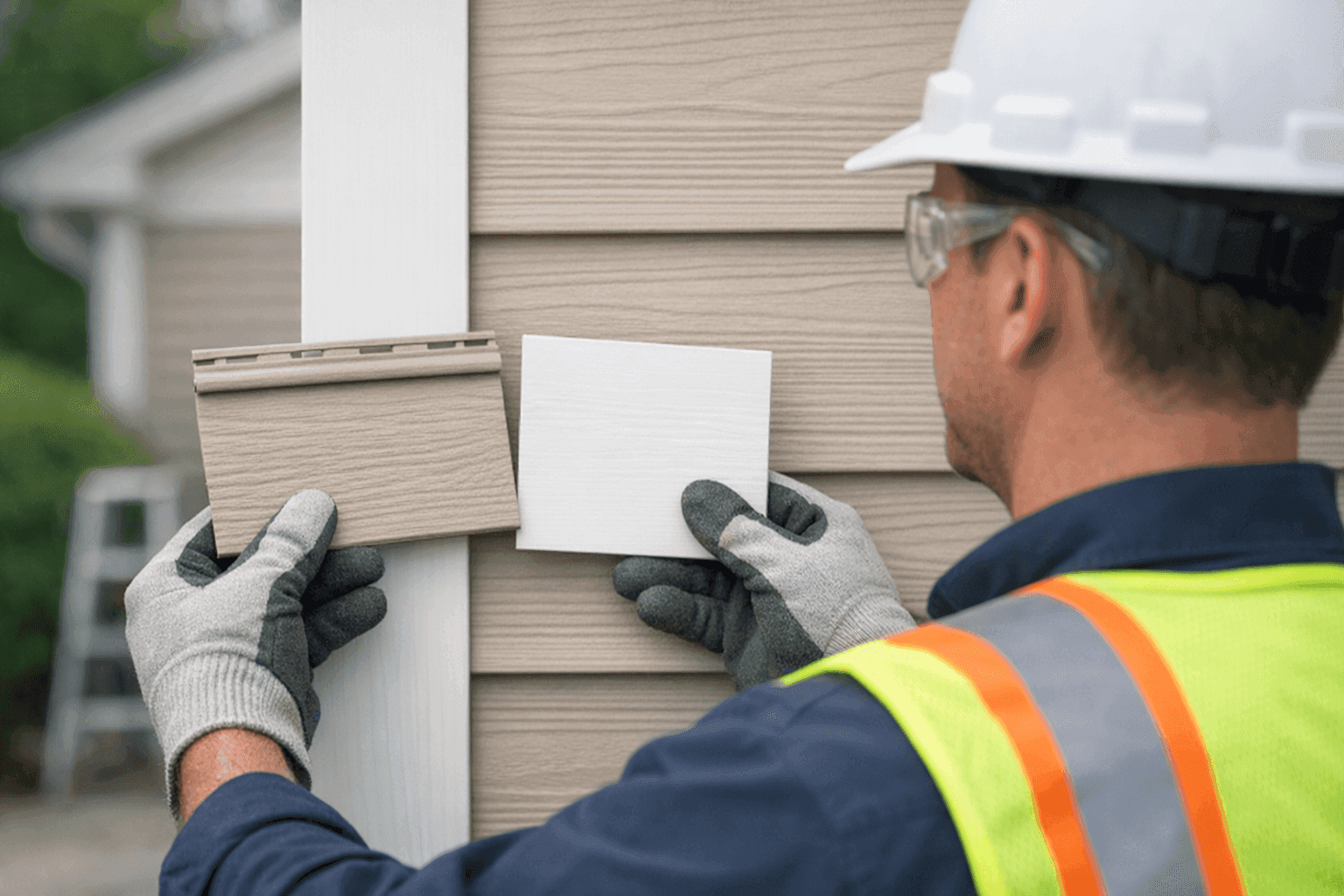
When your siding needs a refresh, matching it to your existing trim can feel like solving a puzzle with missing pieces. You want your home or business to look sharp—not like a patchwork quilt. That’s where smart planning meets expert know-how.
At J.B. Siding, we see it every week: owners facing repairs or upgrades, worried the new siding won’t mesh with the old trim. The good news? Seamless transitions are possible—with the right strategy.
Why Match Siding & Trim? 🎨
Think of siding and trim as a frame and a painting. If the frame clashes, the whole picture feels off. Mismatched colors or materials are more than cosmetic—they can signal shortcuts or poor planning, which may even hurt property value.
- Curb appeal: Consistent, harmonious looks draw the right kind of attention.
- Value retention: Buyers and tenants notice when exteriors are thoughtfully coordinated.
- Durability: Compatible materials age together, making maintenance easier down the road.
Color Coordination
Color isn’t just a matter of taste—it’s science and psychology. Here’s how to get it right:
Understanding Color Theory
- Undertones matter: Whites aren’t all the same. Cool versus warm undertones can make or break your match.
- Contrast or blend: Decide if you want crisp, defined edges (think white trim on blue siding) or a subtle, tone-on-tone look.
- Sunlight shifts: Outdoor colors change with weather and time of day. Test samples in place.
For real-world results, use color sample kits from manufacturers. Or schedule a siding color consultation to get personalized guidance.
Popular Combinations
- White trim with gray, blue, or green siding: classic and bright.
- Earthy trim with wood siding: blends with nature, timeless for cabins or craftsman homes.
- Black or dark trim: adds modern punch to light siding.
Material Compatibility: The Overlooked Factor
Your trim and siding need to “speak the same language.” Wood, vinyl, fiber cement, and metal each expand, contract, and weather differently. Mixing incompatible materials can cause:
- Warping or gapping at seams
- Paint failures
- Moisture traps leading to mold or rot
Always check manufacturer guidelines and local building codes (like the International Residential Code) to confirm what’s allowed and advisable.
Transition Techniques
There’s an art to blending new siding into an old exterior. Some best practices:
- Use color-matched caulking and sealants to hide minor shade differences.
- Install transition strips or trim boards to create a defined boundary between materials or colors.
- Feather in new siding—stagger joints rather than creating a straight dividing line, especially with wood or lap siding.
- Stagger repairs to avoid obvious “patches.”
Quick Safety Checklist ⚠️
Before starting any siding or trim work, review these essentials:
- Confirm all electrical and gas lines are marked and clear.
- Secure ladders and scaffolding per OSHA guidelines.
- Wear safety glasses, gloves, and protective clothing.
- Have a fire extinguisher and first aid kit nearby.
If you’re not sure, call a pro. Siding and trim installation can involve sharp tools, heights, and heavy materials.
DIY vs. Call a Pro
Some owners are tempted to tackle repairs themselves. Sometimes that’s fine—if you have the skills, time, and proper tools. But beware:
- Matching paint and caulk is tricky.
- Siding cuts must be precise to avoid leaks.
- Installation errors can void manufacturer warranties.
For major jobs, or when you need seamless transitions, hiring professionals like J.B. Siding saves headaches and protects your investment.
What Pros Do On Arrival
Here’s what you can expect from a professional siding team:
- Full inspection of siding and trim for damage or rot
- Moisture and insulation checks
- Color and material samples in natural light
- Recommendations for partial or full replacement
- Transparent estimate and clear work timeline
A good crew respects your property, keeps noise and mess to a minimum, and follows all safety codes.
Prevention & Maintenance Tips
Regular upkeep extends the life of your siding and keeps matched trim looking sharp:
- Wash siding and trim annually to prevent dirt and mildew buildup.
- Inspect caulk lines and touch up as needed.
- Repaint trim every 5–7 years, or per manufacturer recommendations.
- After storms, check for loose boards or cracks.
Need help? Ask about our annual trim and molding installation check-ups.
Costs & Time Factors
Matching new siding to old trim takes more care than full replacement. Expect:
- Higher labor costs for precision work and blending
- Extra time for color-matching and feathering transitions
- Potential need for custom-ordered materials if your trim is discontinued
For most projects, plan for 1–3 days of disruption, depending on size and weather.
When It’s an Emergency
Storm damage, fire, or sudden leaks can leave you with exposed framing—and big worries. Emergency siding services focus on quick, weatherproof coverage first, then color and trim matching later.
If your building envelope is compromised, call for help right away. Temporary patches keep water, pests, and cold out until a permanent fix is scheduled.
Signs of Trouble
Watch for these warning flags that your siding and trim need attention:
- Peeling paint or caulk
- Gaps, warping, or buckling at seams
- Faded patches or uneven color
- Visible mold, mildew, or rot
Catching issues early means simpler, cheaper repairs.
Timeline & Disruption: What to Expect
A typical partial siding replacement with trim-matching can take anywhere from a single day for a small repair to a week for larger commercial projects. Weather, custom material orders, and complexity of transitions are the biggest factors.
Expect some noise, dust, and movement around your property. Good contractors use drop cloths, clean up daily, and keep you updated.
Materials & Equipment
Here’s what goes into a successful match:
- Siding panels or boards, matched for type and finish
- Trim boards, moldings, or custom-milled replacements
- Color-matched caulk and paint
- Transition flashing and waterproof barriers
- Proper fasteners (galvanized or coated, per building codes)
- Power saws, measuring tools, ladders, and safety gear
Always verify that all products meet ASTM standards and local code requirements.
Seasonal Considerations
Temperature and humidity can affect installation. For example:
- Vinyl siding expands in heat; install with room to move.
- Paint dries best in mild, dry weather.
- Wet or frozen conditions can delay work or cause future issues.
Plan projects for spring or early fall when possible.
Common Mistakes to Avoid
- Ignoring undertones (leading to “almost but not quite” matches)
- Using incompatible caulk or fasteners
- Not prepping surfaces before painting or sealing
- Skipping a siding inspection before starting
These slip-ups can turn a quick fix into a costly do-over.
When to Replace Both Siding & Trim
Sometimes, matching just isn’t worth it. If your trim is rotten, warped, or paint is failing everywhere, it’s smarter to replace both. Here’s when full replacement is best:
- Siding or trim is more than 25 years old
- Multiple repairs have created a “patchwork” effect
- You’re updating insulation or adding new weatherproofing
- You want a whole new look—modernizing colors or materials
For a full transformation, see our siding replacement service.
FAQ: Partial Replacements and Repairs
Can I match new vinyl siding to old wood trim?
Yes, but the transition will need a special molding or flashing to hide expansion differences.
Will my new siding fade differently than the old trim?
Most modern siding is UV-resistant, but all materials fade over time. Repainting or replacing trim may be needed down the road.
How do I choose the right caulk?
Always use exterior-grade, paintable caulk. Match the color as closely as possible.
Get Local Help for New Construction Siding Near You
Whether you’re repairing a small section or planning new construction siding, seamless transitions matter. If you’re searching for siding contractors in the Burlington area, visit our Burlington siding services page for more details and advice.
Ready to make your siding and trim blend beautifully?
Call J.B. Siding now — or reach us anytime at 855-598-5177 .