How to Maintain Siding After a Major Storm
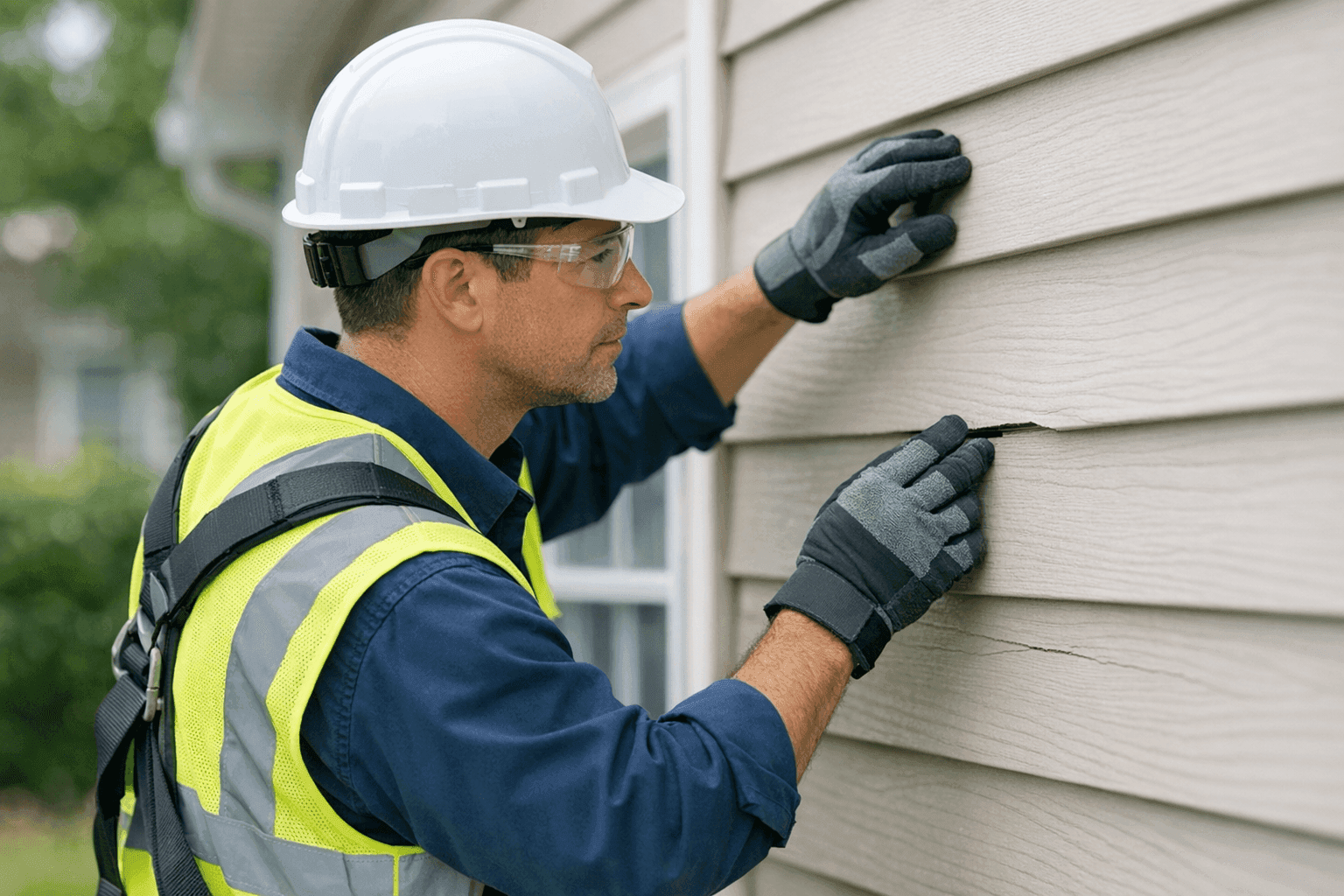
Mother Nature can be merciless. One night of howling wind and pounding rain can leave your property looking battered and bruised. Siding is built to shield your home, but even the toughest materials sometimes need urgent attention after a major storm.
If you’re staring at your siding, wondering what to do next, you’re not alone. Knowing the right steps can save you stress—and money. At J.B. Siding, we’ve seen it all, from minor scrapes to whole panels torn loose. Here’s your roadmap for what to do after the storm clouds roll away.
Post-Storm Inspection: The Siding Checkup 🕵️♂️
Before you grab a ladder, stop. Safety first.
- Wait until the storm is completely over. Don’t risk stepping out if there’s lightning or falling debris.
- Dress for the job. Closed-toe shoes, gloves, and—if you’re inspecting up high—a helmet.
What to look for:
- Cracks and splits: These are like paper cuts for your home, and can let water in.
- Warping or bulging: Storms can bend panels out of shape, especially vinyl or wood.
- Loose or missing panels: Check the base of your home and under eaves.
- Dents or holes: Hail, branches, and wind-tossed debris leave their mark.
- Water stains or streaks: These may hint at leaks behind the siding.
Walk the perimeter. Take your time. The more carefully you look, the less you’ll miss.
Safety First: When Damage Is Severe
If you spot any of these red flags, keep your distance:
- Exposed electrical wires.
- Sharp metal edges or shattered materials.
- Panels hanging loose above doorways or walkways.
In these cases, call a licensed professional right away. The National Electrical Code (NEC) warns never to touch damaged wires. If you suspect structural damage, the International Association of Certified Home Inspectors (InterNACHI) recommends professional inspection before entering.
Cleaning Up: Clearing Debris and Grime
Storms leave behind a mess. Mud, leaves, and grit get wedged in the tiniest corners.
Tips for safe cleaning:
- Start with a gentle rinse. Use a garden hose, not a pressure washer (which can force water behind siding).
- Work top to bottom. Gravity will do half the work for you.
- Use a soft brush for stuck-on dirt. For stubborn spots, mix mild soap with warm water.
- Check for mold or mildew. These thrive in damp crevices after storms.
Be gentle. Think of siding like skin—it needs to breathe and stay healthy.
Documenting the Damage: Your Paper Trail
Before you repair anything, take photos. Lots of them.
- Snap wide shots of each wall.
- Get close-ups of every crack, dent, or missing section.
- Note the date and time.
This isn’t just for your records. Insurance adjusters and siding professionals will thank you. If you need storm-damage repair, a clear record can speed up claims and service.
Minor Repairs: What Homeowners Can Handle 🛠️
Some fixes are DIY-friendly, especially if damage is minor and you’re comfortable with tools.
You can usually handle:
- Reattaching loose panels with original fasteners.
- Sealing tiny cracks with weatherproof caulk; match the color for a seamless look.
- Cleaning out blocked soffits or vents to keep moisture from building up.
If you patch a hole or seal a crack, check the manufacturer’s guidelines. Improper materials can void warranties or cause new problems.
When to Call a Pro: Know Your Limits
Not all damage is visible—or safe to fix alone.
Call a siding professional if:
- Panels are missing, warped, or hanging dangerously.
- Water is leaking inside your home.
- You see black streaks, which could mean hidden rot or mold.
- Your siding is older, brittle, or has already been patched before.
A pro can perform an in-depth siding inspection to spot hidden trouble. We check behind panels, assess your home’s envelope, and suggest the safest, most cost-effective repairs.
What Pros Do On Arrival
Expect a thorough walk-through. Professionals check every inch, from the foundation to the roofline. We look for:
- Subtle signs of water intrusion.
- Gaps in flashing or joints.
- Hidden decay in wood or fiber cement.
At J.B. Siding, we use industry-approved methods following guidelines from the Vinyl Siding Institute and ASTM International. We never cut corners—your home’s safety comes first.
Prevention & Maintenance: Guarding Against Next Time 🏠
Storms will come again. Regular upkeep helps your siding stand tall through every season.
Proactive steps:
- Trim trees and shrubs away from exterior walls.
- Clean gutters and downspouts, especially before storm season.
- Schedule annual siding inspections to catch small issues early.
- Re-caulk joints and seams as needed.
Our siding repair team can help with everything from trim fixes to full panel replacement. Don’t wait until small issues become costly repairs.
Common Mistakes After Storms
- Ignoring small cracks: Water finds the smallest path inside.
- Using harsh cleaners: Bleach and pressure washers can ruin finishes.
- Skipping documentation: No photos means less support for insurance.
- Delaying repairs: Damage gets worse with every rainfall.
Signs of Trouble: What to Watch For
Even after your first check, keep an eye out for:
- Siding that shifts in the wind.
- Peeling paint or swelling wood.
- Unexpected energy bills—damaged siding can affect insulation.
If you notice any of these, don’t wait. Early action means less disruption.
Timeline & Disruption: What to Expect
Minor fixes can be done in a few hours, but major repairs may take days—especially if multiple trades (like gutter or insulation crews) need to be involved. Weather and material availability can affect timelines. Clear communication with your contractor is key.
Materials & Equipment: Do It Right
Siding materials—vinyl, wood, fiber cement, or metal—all have unique needs. Use manufacturer-approved fasteners and sealants. For safety, always use a sturdy ladder and spotter if you’re working above ground.
Emergency Siding Services: When It Can’t Wait
If your home is exposed to the elements or your business is at risk, seek immediate help. Emergency siding services are designed for rapid response. Temporary patching can prevent further damage until full repairs are possible.
Seasonal Considerations: Staying Ready Year-Round
Spring brings storms, but winter ice can also damage siding. After any severe weather event—wind, hail, even heat waves—take a few moments for a visual check. It’s as important as locking your doors before bed.
FAQ: Fast Answers to Common Questions
How soon after a storm should I inspect my siding?
As soon as it’s safe and dry outside. Waiting too long can allow water to seep in.
Can I use a pressure washer on my siding?
We don’t recommend it. High pressure can force water behind panels.
What if I find mold after a storm?
Call a professional for safe removal. Mold can spread quickly and damage your home’s structure.
Is storm damage covered by insurance?
Often, yes—but documentation is essential. Contact your provider for specifics.
Want Local Siding Help? Your Next Step
If you’re searching for reliable storm-damage siding repair or New Construction Siding near you, our skilled team is ready. For homeowners in the area, check our Danbury siding services for quick solutions after severe weather.
Call J.B. Siding now — or reach us anytime at 855-598-5177 .