How to Maintain and Repair Siding Trim
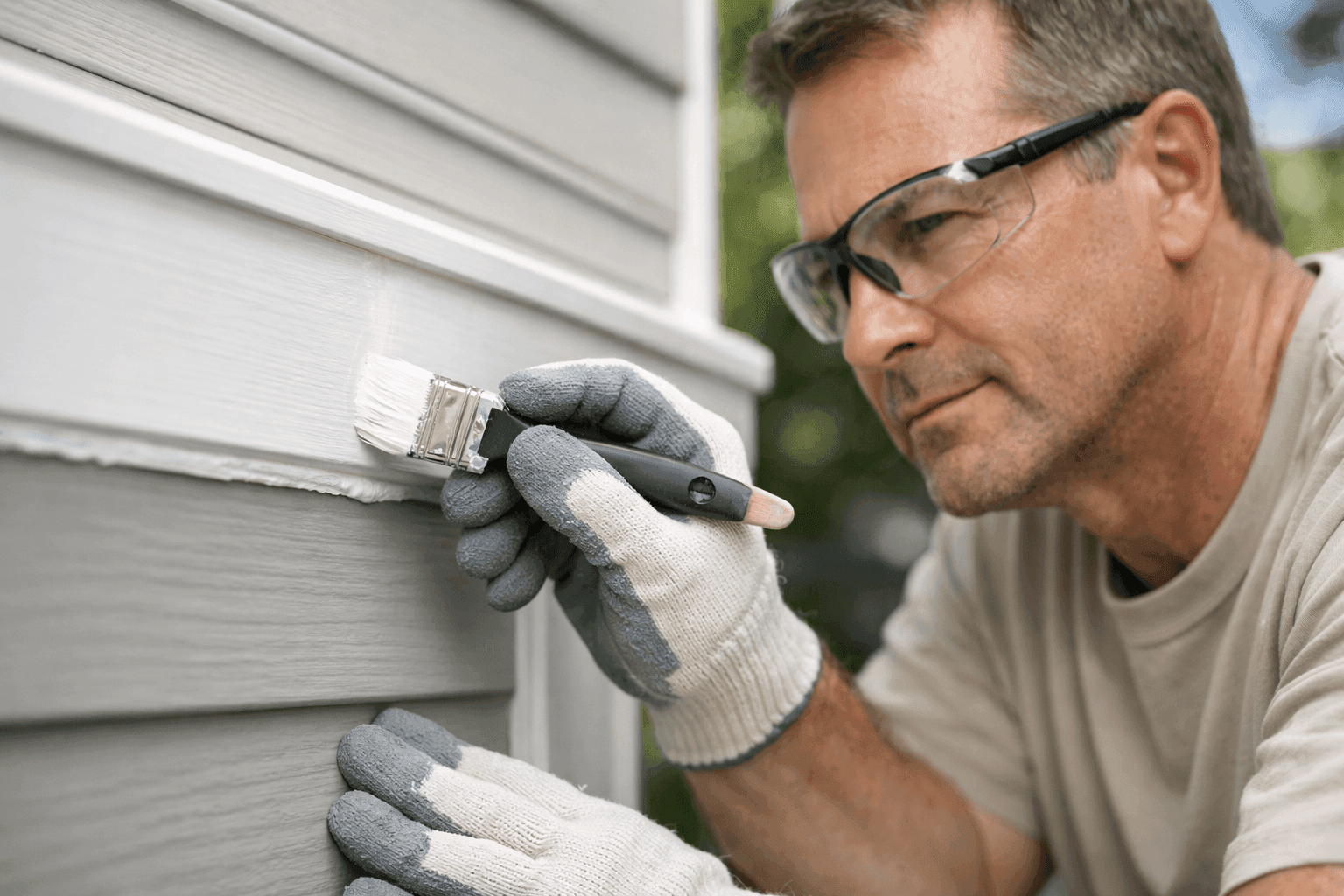
Your siding trim is the crisp collar on your home’s shirt. When it’s clean, sealed, and smooth, your property turns heads. But let it crack, peel, or rot? Suddenly, leaks, pests, and bigger repairs threaten your peace of mind. At J.B. Siding, we help homeowners and businesses keep their curb appeal sharp—and their investment safe.
Neglecting siding trim is like ignoring the warning light on your car. Small issues can snowball, fast. But with the right know-how, you can keep your trim in top shape—or know exactly when to call in the cavalry.
Why Trim Maintenance Matters 🏡
Trim is more than decoration. It’s the armor that seals corners, frames windows, and keeps out wind-driven rain. Properly maintained trim:
- Prevents water infiltration and mold
- Blocks pests and insects
- Keeps insulation dry
- Boosts curb appeal for resale
- Lowers the risk of costly structural repairs
According to the International Residential Code (IRC), exterior trim must resist weather and decay. It’s not just for looks; it’s for health and safety, too.
Quick Safety Checklist
Before you break out the ladder and paintbrush, take a breath. Safety first! Here’s what you’ll need:
- Stable ladder, placed on level ground
- Safety goggles and gloves
- Dust mask (for sanding or scraping)
- Closed-toe shoes with good grip
- Helper or spotter if you’re working high
If you’re unsure about heights or electrical lines, consider hiring a professional for siding-trim-repair.
Basic Care Steps: Cleaning, Sealing, and Painting
Think of trim maintenance like brushing your teeth—regular, gentle effort saves you from pain later. Here’s the routine:
Cleaning
- Use a garden hose to rinse away dust and spider webs.
- For stubborn grime, mix mild soap with warm water and scrub with a soft brush.
- Avoid pressure washers—they can force water behind siding.
Sealing
- Inspect caulking at joints and seams. Look for cracks, gaps, or peeling.
- Remove failed caulk with a utility knife.
- Re-apply exterior-grade, paintable caulk. Smooth with a wet finger.
Painting
- Scrape loose or flaking paint with a putty knife.
- Sand rough spots with 120-grit sandpaper.
- Prime any bare wood before painting.
- Use two coats of high-quality exterior paint.
Signs of Trouble: When Trim Needs Attention
Spot these red flags early, and you’ll dodge major headaches:
- Peeling or bubbling paint
- Soft wood, especially at corners or near gutters
- Gaps between trim and siding
- Black streaks, mold, or mildew
- Insect tunnels or sawdust piles
If you notice any of these, don’t wait. Small fixes now can save you big money later.
Small Repairs: Fixing Minor Rot or Separation
Minor trim rot is like a small bruise on an apple—it’s fixable if you act fast.
What You'll Need
- Pry bar or putty knife
- Wood filler or epoxy
- Sandpaper
- Caulk gun and exterior caulk
- Paint and primer
Steps
- Remove Damaged Material: Gently pry away rotten wood. Scrape out soft spots.
- Fill Gaps: Use wood filler or epoxy for small holes. For larger voids, splice in a new section of trim.
- Sand and Smooth: Let filler dry, then sand flush with surrounding trim.
- Seal the Repair: Re-caulk gaps and seams.
- Prime and Paint: Finish with primer and matching paint.
When to Replace Trim
Sometimes, repairs just aren’t enough. If more than a third of a trim board is soft, crumbling, or riddled with insect damage, full replacement is safer. Watch for:
- Persistent water leaks
- Visible warping, splitting, or sagging
- Extensive rot or mold growth
When in doubt, a professional trim-and-molding-installation ensures a proper, code-compliant fit.
The Best Tools for the Job
A few well-chosen tools make trim maintenance much easier:
- Cordless drill and driver
- Caulking gun
- Quality paintbrush and roller set
- Utility knife
- Pry bar
- Oscillating saw (for cutting out damaged sections)
- Ladder standoff (protects gutters)
Invest in sturdy, comfortable tools. Cheap gear means more frustration—and risk.
DIY or Call a Pro? Knowing Your Limits
If you’re comfortable on ladders and have basic carpentry skills, small trim fixes are within reach. But if you see:
- Extensive rot
- Complex joints or decorative molding
- High, hard-to-reach areas
- Electrical lines nearby
…it’s time to bring in a siding professional. Licensed installers follow local building codes and can spot hidden problems you might miss.
What Happens When the Pros Arrive
A reputable siding company like J.B. Siding will:
- Inspect all trim and siding for hidden issues
- Suggest the best repair or replacement options
- Use commercial-grade materials and fasteners
- Match new trim to your existing style and color
- Clean up thoroughly after the work is done
They’ll also discuss weatherproofing and maintenance plans to keep your exterior worry-free.
Prevention: Keep Trouble from Creeping In 🌧️
The best defense is a good offense. Here’s how to keep your trim healthy:
- Clean gutters twice a year. Overflowing water is trim’s worst enemy.
- Trim shrubs away from siding to promote airflow.
- Inspect caulk and paint each spring and fall.
- Address storm damage promptly—don’t let little leaks fester.
For commercial properties or larger homes, consider annual siding-maintenance for peace of mind.
How Much Will This Cost? Time and Budget Factors
Basic trim maintenance—cleaning, sealing, painting—costs little besides elbow grease and supplies. Small repairs usually run under $100 in materials. Full trim replacement, especially for custom profiles, can be a bigger investment.
Most homeowners spend a weekend on DIY care. Professional replacement may take a day or two, depending on complexity.
When Siding Trim Becomes an Emergency
If you spot active water leaks inside, sagging trim, or clear signs of mold, act fast. These are emergencies that risk your home’s structure. Call for emergency siding services near you—don’t wait for the next storm.
FAQs: Siding Trim Maintenance and Repair
Q: How often should I repaint exterior trim?
A: Every 5–7 years for most paints—more often in harsh climates.
Q: Can I just caulk over old, cracked caulk?
A: No. Old caulk must be removed for a long-lasting seal.
Q: Is vinyl trim maintenance-free?
A: Lower maintenance, but still needs occasional cleaning, caulking, and inspection for cracks.
For more, check your local building codes or the Environmental Protection Agency’s guidelines on lead-safe renovation.
Seasonal Considerations: Weather and Your Trim
Spring and fall are prime times for inspection and repairs. Avoid painting or caulking on rainy or freezing days—products won’t cure properly. In humid climates, mold and mildew need extra vigilance.
Common Mistakes to Avoid
- Skipping prep before painting (results in peeling)
- Applying caulk in cold temperatures (poor adhesion)
- Using interior caulk or paint outdoors
- Ignoring small cracks or gaps
- Forgetting to check behind downspouts and gutters
Timeline and Disruption: What to Expect
Most minor trim repairs take a few hours. Full replacements may last a day or two, with some noise and exterior access required. Professionals minimize disruption and leave your yard tidy.
Take care of your siding trim, and your home will stand proud for years. For advice, repairs, or new construction siding near you, Call J.B. Siding now — or reach us anytime at 855-598-5177 .