How to Identify and Repair Siding Caulking Failures
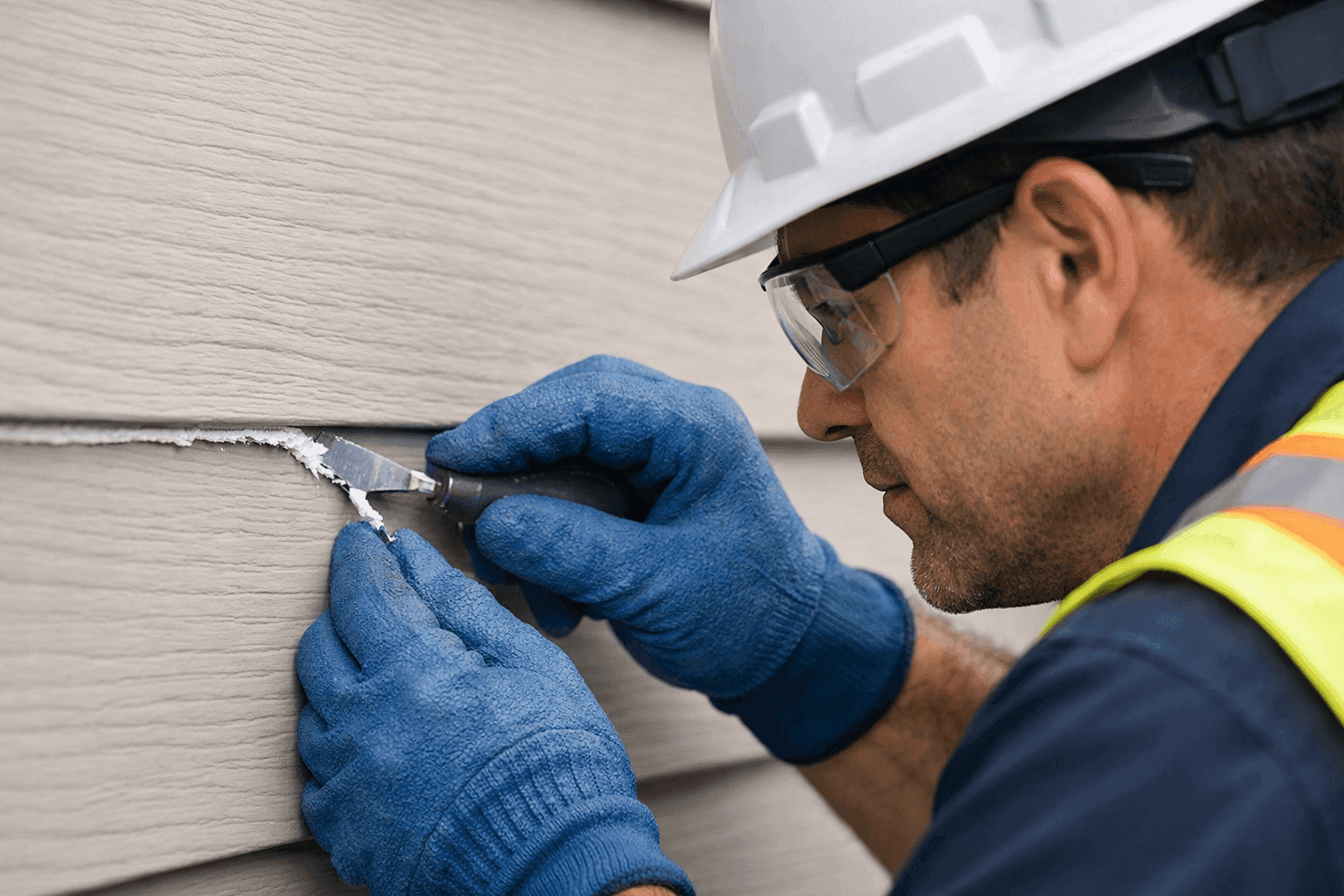
Siding is your property's shield. But even the toughest armor has weak points—like the caulk lines sealing your siding seams. When that caulk fails, water, insects, and weather find their way in. It’s like a tiny leak in a boat: ignore it, and the damage spreads fast.
At J.B. Siding, we’ve seen how a small crack can snowball into costly repairs. Whether you're a homeowner or manage a commercial property, knowing what to look for—and what to do—can save major headaches down the road.
Spotting Caulking Failure
How can you tell your siding’s caulking is crying out for help? It’s rarely subtle. Here’s what to watch for:
- Cracks: Think of dried riverbeds—lines split open, especially where two siding panels meet.
- Gaps: Noticeable spaces between caulk and siding, or between trim and wall. That’s a red flag.
- Peeling or Flaking: Caulk pulling away, curling, or peeling like old paint.
- Discoloration: Dark or yellow stains around seams can mean water’s sneaking in.
- Soft or Spongy Areas: Press gently near seams. If it gives, hidden moisture may have crept in.
- Mold or Mildew: Black or greenish spots along seams are a clear alarm.
A walk-around inspection twice a year—especially after storms—can catch these early. If you’re unsure, a professional siding inspection can spot what eyes sometimes miss. 🕵️
Why It Happens
Siding caulk isn’t immortal. Several forces conspire against it:
- Weather Extremes: Freeze/thaw cycles, harsh sun, and pounding rain all break caulk down over time.
- Building Movement: Houses settle, expand, contract—caulk stretches and cracks.
- Poor Application: Rushed jobs or wrong materials mean caulk never bonds right.
- Age: Even the best caulk degrades. Most need replacing every 5–10 years.
- Improper Cleaning or Prep: Applying new caulk on dirty or damp surfaces is like painting over sand.
If your property is older, or you’ve had recent siding work, check those seams. And if you see any of the warning signs mentioned above, don’t wait.
The Risks of Ignoring Failed Caulking
It’s tempting to shrug off a hairline crack. But here’s what can happen:
- Water Intrusion: Like rain through an open window, moisture seeps behind siding, rotting wood and insulation.
- Energy Loss: Gaps let in cold air and moisture, sending energy bills skyward.
- Pest Infestation: Ants, termites, and other critters love easy entry points.
- Mold Growth: Dampness behind siding feeds mold, which harms both structure and health.
- Structural Damage: Over time, water weakens framing and sheathing—leading to big-ticket repairs.
According to the International Residential Code (IRC), exterior walls must be weather-resistant. Failed caulking means your home or building is out of compliance—and at risk.
Quick Safety Checklist Before You Start
Before grabbing a tube of caulk:
- Wear gloves and safety glasses.
- Work on a dry, mild day—no rain in the forecast.
- Use a sturdy ladder (never stand on siding itself).
- Remove old caulk safely—avoid damaging siding.
- Have rags and mineral spirits handy for cleanup.
- Check for lead paint if your siding is very old (pre-1978).
DIY vs. Call a Pro
Some small cracks or gaps are weekend DIY territory. But there are times to call J.B. Siding:
- Seams are high up or hard to reach.
- Water has already gotten inside.
- Mold, rot, or wood damage is visible.
- Multiple areas are failing at once.
- You’re unsure about materials or techniques.
For complex issues, our siding caulking and sealing team uses pro-grade materials and proven methods.
Step-by-Step Siding Caulk Repair
Ready to tackle a repair on your own? Here’s what to do:
-
Remove Old Caulk
Use a utility knife or caulk removal tool. Scrape away all loose or cracked material. Be gentle—don’t gouge the siding. -
Clean the Area
Wipe away dust, mildew, and debris with a brush and mild detergent. Let dry completely. Moisture under new caulk ruins the bond. -
Choose the Right Caulk
Use exterior-grade, paintable caulk made for siding—usually siliconized acrylic or polyurethane. Read the label for weather resistance. -
Apply New Caulk
Cut the nozzle at a 45-degree angle. With a steady hand, run a continuous bead along the seam. Less is more—don’t overload. -
Tool the Bead
Smooth the caulk with a damp finger or caulking tool. This presses it into the seam and gives a clean finish. -
Let It Cure
Follow the manufacturer’s cure time. Most need 24 hours before painting or exposure to heavy rain. -
Inspect Your Work
Check for missed spots or uneven beads. Touch up if needed.
When Repairs Become Emergency Work
Sudden storm? Water pouring in? That’s urgent. Emergency siding services are for:
- Large sections of caulk blown out by wind or hail.
- Water actively entering living areas.
- Severe mold or soft, crumbling siding.
In these cases, call J.B. Siding right away. Don’t wait for damage to multiply.
Materials & Tools Checklist
Gather these before starting:
- Exterior-grade caulk (paintable)
- Utility knife or caulk remover
- Caulking gun
- Stiff brush or old toothbrush
- Mild detergent
- Rags and mineral spirits
- Ladder (if needed)
- Gloves and safety glasses
Common Mistakes to Avoid
- Skipping Cleanup: Dirt or moisture under caulk = quick failure.
- Using the Wrong Caulk: Interior caulk won’t survive outdoors.
- Overfilling Gaps: Too much caulk looks messy and cracks as it dries.
- Ignoring Weather: Humid or freezing days ruin adhesion.
- Painting Too Soon: Wait until caulk is fully cured.
What Pros Do on Arrival
When J.B. Siding arrives for a caulking project:
- Comprehensive inspection—inside and out.
- Moisture meter checks to spot hidden leaks.
- Careful removal of all failed material.
- Use of high-performance, industry-approved caulks.
- Seamless application for long-lasting protection.
- Final walkthrough to ensure every seam is sealed.
Seasonal Considerations
Spring and fall are prime times to inspect and repair siding caulk. Extreme summer heat or winter cold can interfere with curing. After major storms, always do a quick check—weather can peel or crack caulk overnight.
Timeline & Disruption
Most caulking repairs take a few hours for a single wall or trouble spot. Larger jobs may require a full day, plus curing time. Minimal mess—just keep pets and kids away from wet caulk until it sets.
Costs & Time Factors
DIY repairs are budget-friendly if you have the tools and time. Professional repairs vary based on the number of seams and access. Preventive maintenance costs far less than repairing water or mold damage down the road.
Preventing Repeat Issues
Want to make your repair last?
- Inspect siding seams every spring and fall.
- Clean away dirt and mold before caulking.
- Use only high-quality, exterior-rated caulk.
- Don’t skip annual siding maintenance visits—pros can spot early warning signs.
- Address drainage and gutter issues, since overflow can wash away caulk.
- Consider upgrades like siding flashing repair or improved ventilation for long-term protection.
FAQ: Quick Answers
How long does siding caulk last?
Typically 5–10 years, depending on weather and exposure.
Can I paint over new caulk?
Yes, but only after it’s fully cured—check the label.
What if I see mold or soft wood?
Stop and call for a professional inspection. There may be hidden water damage.
Is caulk failure covered by warranty?
Many siding warranties exclude maintenance items like caulk. Always read your documentation or ask your installer.
Final Thoughts: Protect Your Property’s Shield
Siding caulking failures are like cracks in your armor—small at first, but dangerous if ignored. Regular checks and repairs keep your property dry, efficient, and looking sharp.
If you need help with siding repair or are searching for "New Construction Siding near you," our team is here for you. For those in Colorado, see our Littleton siding services for full-service care.
Call J.B. Siding now — or reach us anytime at 855-598-5177 .