How to Choose the Best Siding for Commercial Properties
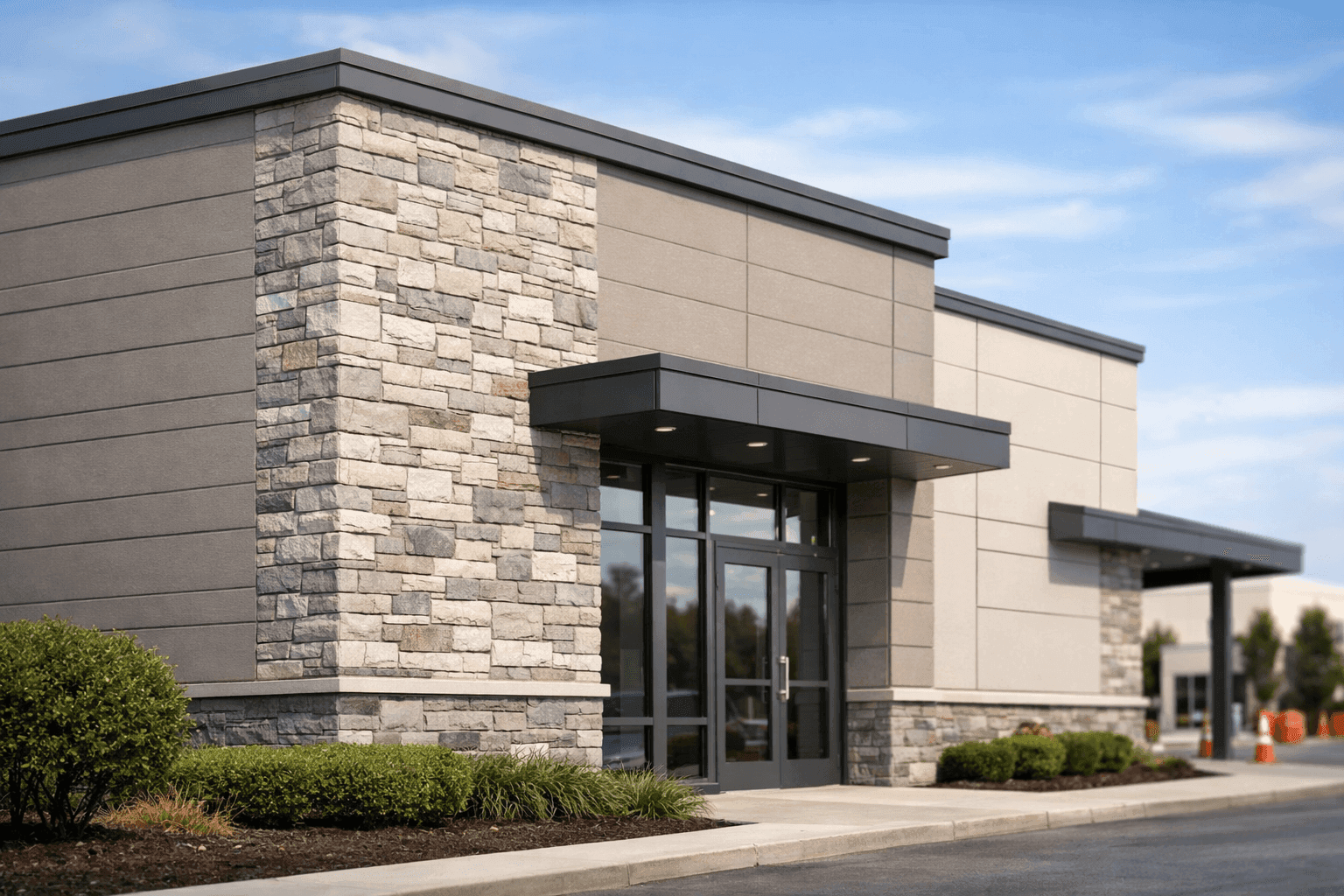
Every commercial property tells a story before anyone steps inside. The right siding is the opening line—setting expectations, protecting investments, and standing up to the daily grind. Make the wrong call? Problems can snowball fast.
At J.B. Siding, we’ve seen firsthand how exterior choices affect everything from safety to branding. Whether you own a busy retail plaza or manage a multi-tenant office, picking the right siding is a decision that shapes the building’s future.
Commercial Siding Needs
Let’s start with what makes commercial siding a different beast. These properties aren’t just bigger; they’re busier, more exposed, and carry heavier stakes.
- Durability: Think of siding as armor. It’s the first defense against weather, impact, and daily wear.
- Fire resistance: Many local building codes (like those outlined by the International Building Code) require enhanced fire ratings for multi-unit or public buildings.
- Maintenance: No one wants to call for repairs every season. Low maintenance is a must, especially for properties with high foot traffic.
- Branding: Siding isn’t just skin-deep. It can reinforce your business’s identity with color, texture, and design features.
- Energy efficiency: Good siding acts like a winter coat, helping control heating and cooling costs.
A commercial property can’t afford to look tired, unsafe, or out of date. The stakes are higher, and the right siding matters.
Best Materials for Commercial Siding 🏢
When it comes to material, you’re spoiled for choice. But not every option is built for the unique pressures of commercial use.
Metal Siding
- Strength: Like a knight’s armor, metal siding stands up to hail, wind, and flying debris.
- Fire resistance: Metal won’t ignite, making it a smart pick for safety and insurance requirements.
- Modern looks: Clean lines and bold colors give buildings a forward-thinking edge.
- Low upkeep: No warping, peeling, or rot.
Interested in the specifics of metal siding? Visit our Metal Siding Installation page for more details.
Fiber Cement Siding
- Versatility: Mimics wood, stone, or stucco, but is much tougher.
- Resistant to pests & rot: Bugs and mold have a hard time latching on.
- Fire rated: Meets strict fire codes in many commercial zones.
Vinyl Siding
- Affordable: Keeps the budget in check for large footprints.
- Color variety: Endless combinations to match branding needs.
- Low maintenance: Just spray clean—no need for regular painting.
Stucco
- Classic appeal: Timeless, especially for office parks or retail centers.
- Thick barrier: Helps with insulation and sound dampening.
Wood Siding
- Warmth and character: Perfect for boutique businesses or heritage properties.
- Maintenance intensive: Needs more attention to keep it looking sharp and weather-resistant.
Not sure what’s right for your building? Our Siding Material Consultation service can help you make the best decision.
Key Design Considerations
Picking siding is a bit like choosing a suit. It needs to fit, flatter, and function.
- Color and texture: Bold colors can draw attention, but neutral tones offer timeless appeal. Some owners pick colors that mirror company branding.
- Architectural features: Modern offices may lean toward sleek metal panels, while hospitality spaces might favor the warmth of fiber cement or wood accents.
- Signage compatibility: Siding should support business signage without causing leaks or damage.
- Local climate: In areas prone to storms, impact-resistant siding is a must. For hot, sunny climates, UV resistance keeps colors from fading.
- Neighborhood standards: Some commercial districts have design guidelines; compliance is key.
Safety and Code Compliance
Commercial buildings must meet rigorous safety codes. Siding selection isn’t just about looks—it can impact fire ratings, wind resistance, and even insurance premiums. Always check with your local building department for specific requirements.
- Fire resistance: Look for siding with appropriate UL fire ratings.
- Wind uplift: Especially important for taller structures or open areas.
- Proper flashing and sealing: Prevents water intrusion and mold, a critical concern for multi-tenant buildings.
Installation: What to Expect
Siding installation for commercial properties is a well-choreographed dance—timing, expertise, and the right materials all play a role.
- Preparation: Includes siding inspection, surface prep, and removal of old or damaged materials.
- Scheduling: Work is often done in phases to minimize disruption to tenants or business operations.
- Experienced crews: Commercial jobs require specialized tools and know-how—this isn’t a DIY weekend project.
- Weather timing: Dry, mild weather is ideal to ensure adhesives and caulks cure properly.
High-Traffic and Multi-Tenant Tips
Busy buildings face extra challenges. Think shopping centers, apartment complexes, or medical offices.
- Impact resistance: Choose siding tough enough for stray carts, bikes, or the occasional fender bender.
- Easy cleaning: Dirt and graffiti are inevitable. Select finishes that stand up to power washing.
- Sound dampening: Thick or layered siding options reduce noise between units or from outside traffic.
- Access panels: Plan for maintenance. Removable siding sections allow for easier repairs without major disruption.
Maintenance Matters 🧰
Even the most durable siding needs a little TLC to look its best and last its longest.
- Routine inspections: At least twice a year, check for cracks, warping, or loose panels.
- Cleaning: For most materials, an annual wash with a hose or low-pressure power washer does the trick.
- Sealants and caulking: Keep joints sealed to block water and pests.
- Prompt repairs: Address minor damage before it grows—especially after storms or heavy use.
Many commercial property owners schedule professional siding maintenance as part of their building upkeep plan.
Cost and Budget Factors
Siding is a major investment, but cutting corners can cost more in the long run.
- Material costs: Metal and fiber cement are pricier up front but pay off with longevity.
- Installation: Larger or multi-story buildings may require specialized equipment and scaffolding.
- Lifecycle value: Consider energy savings, insurance discounts, and reduced maintenance when comparing options.
Avoiding Common Mistakes
It’s easy to stumble when choosing commercial siding. Here’s what to watch out for:
- Ignoring code requirements: This can lead to costly do-overs or even fines.
- Prioritizing looks over function: A beautiful finish won’t help if it can’t handle the weather or daily wear.
- Underestimating maintenance: All siding needs some care—don’t skip the upkeep.
Signs Your Siding Needs Help
Catching issues early saves money and headaches.
- Visible cracks or holes
- Warping or bulges
- Mold, mildew, or water stains
- Loose panels or trim
If you spot these, schedule a professional inspection right away.
When It’s an Emergency
Storms, accidents, or vandalism can damage siding fast. When this happens:
- Secure the area: Prevent hazards to tenants or customers.
- Document damage: For insurance and repair planning.
- Call for help: Emergency siding services can patch up damage and prevent further issues.
Seasonal Considerations
Weather is a wild card. Plan your siding projects with the seasons in mind.
- Spring/Summer: Best for installation—materials set properly, and disruptions are minimized.
- Fall: Great for inspections and prep work before winter.
- Winter: Emergency repairs only, unless conditions allow safe work.
DIY or Call a Pro?
Commercial siding isn’t a weekend warrior project. It takes know-how, equipment, and a team that understands building codes and large-scale logistics.
Professional installers will:
- Assess your building’s needs
- Recommend the right material
- Install with precision and code compliance
- Provide maintenance tips specific to your property
Timeline & Disruption
A major worry for property managers: Will siding work grind business to a halt? With proper planning, it doesn’t have to.
- Staged work: Sections completed one at a time, minimizing impact.
- Clear communication: Tenants and staff are kept in the loop.
- After-hours scheduling: For businesses that can’t pause during the day.
FAQs About Commercial Siding
How long does commercial siding last?
With quality materials and regular maintenance, commercial siding can last 20–50 years.
Can siding improve energy efficiency?
Yes! Insulated siding and proper installation cut down on heating and cooling costs.
Is eco-friendly siding available?
Absolutely. Options like fiber cement, engineered wood, and recycled metal are increasingly popular.
Does siding affect property value?
Definitely. Fresh, well-chosen siding boosts curb appeal and marketability.
Siding That Works Hard—So You Don’t Have To
Choosing the right siding for your commercial property is about more than looks—it’s about protecting your investment and creating a welcoming, professional appearance for years to come. From New Construction Siding near you in Jefferson City to ongoing maintenance, smart choices pay off.
Ready to upgrade your commercial siding? Call J.B. Siding now — or reach us anytime at 855-598-5177 .