How Often Should You Paint or Stain Siding?
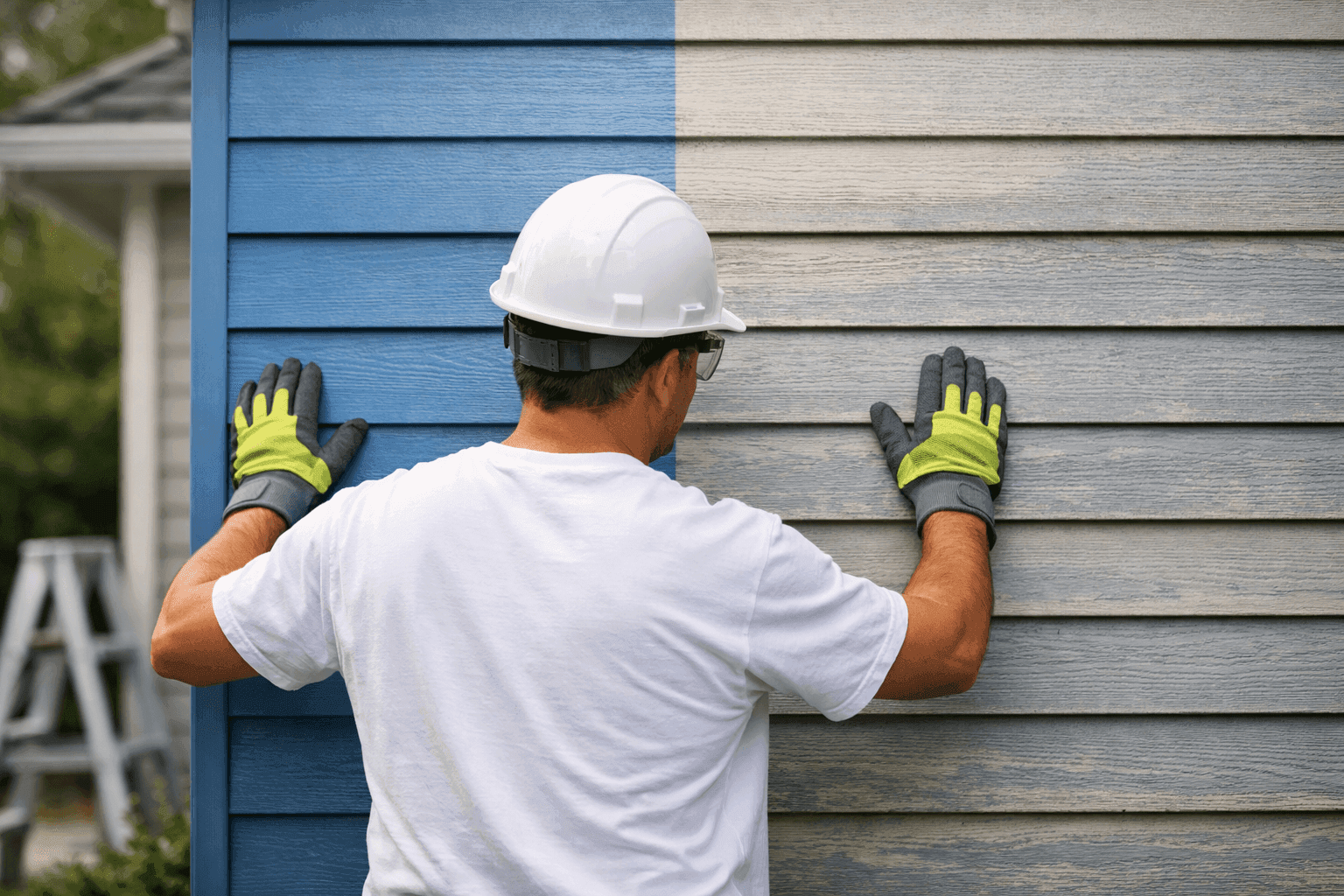
Do you ever look at your siding and wonder if it’s time for a fresh coat of paint or stain? It’s more than curb appeal. It’s protection. And timing it right can save you from headaches and costly repairs. At J.B. Siding, we’ve seen how the weather, materials, and little maintenance choices add up over the years.
Let’s break down how often you should paint or stain your siding, what to look for, and how to keep your home or building looking its best.
Paint vs. Stain Lifespans 🎨
Not all siding finishes are created equal. Paint and stain wear down at different speeds, depending on the surface and exposure.
Wood Siding
- Paint: Quality exterior paint lasts about 5–10 years on wood siding. In harsh climates—a hot southern summer or icy northern winter—expect the shorter end.
- Stain: Semi-transparent stains soak in and typically last 3–5 years, while solid stains can stretch to 5–7 years. Stains fade more gracefully, but don’t block UV rays as well as paint.
Fiber Cement Siding
- Paint: 8–15 years is the norm, thanks to fiber cement’s stability. Factory finishes sometimes last even longer.
- Stain: Rarely used on this surface; paint is preferred.
Engineered Wood & Composite Siding
- Paint: 7–10 years for most brands if installed and prepped correctly.
- Stain: Some engineered woods accept stain, but check the manufacturer’s guidelines. Expect similar timelines to paint.
Vinyl & Metal Siding
- Paint is usually only needed for color change or restoration. Most vinyls and metals are prefinished and fade before they peel.
When Should You Repaint or Restain?
There’s no magic calendar date. Siding tells its own story—if you know what to look for. Sometimes it’s obvious. Sometimes, it’s subtle.
Typical repainting timelines:
- Wood siding: every 5–7 years (paint), every 3–5 years (stain)
- Fiber cement: every 10–15 years (paint)
- Engineered wood: every 7–10 years (paint)
- Stucco siding: every 5–7 years
But watch for the signs in between. Weather shifts, storms, and even nearby landscaping can speed up the clock.
Warning Signs: What’s Your Siding Saying? 🚩
Your siding won’t holler, but it will show distress. Here’s what to watch for:
- Fading: Colors look washed out. Sun and rain have done their work.
- Peeling or flaking: Paint comes off in thin curls, like potato skins.
- Cracking or splitting: Gaps in paint or stain invite water in—bad news for wood.
- Blistering: Bubbles under the surface hint at trapped moisture.
- Chalking: Rub your hand across the siding. Is there a powdery residue?
- Mold, mildew, or algae: Green or black spots love moisture and shade.
- Warping or swelling: Especially with wood, this means water is getting in.
If you spot any of these, don’t wait. The longer you delay, the faster damage accelerates.
Factors That Speed Up Wear
Your neighbor’s siding may last a decade, but yours could fade in half the time. Why?
- Sun Exposure: South and west faces bake in the afternoon heat.
- Rain and Humidity: Wet climates breed mildew and wear down finishes.
- Storms: Hail, wind, and flying debris can gouge or strip coatings.
- Improper Prep: Paint applied to dirty or damp siding won’t last.
- Low-Quality Paint or Stain: Bargain products cost more in the long run.
- Poor Ventilation: Siding needs to breathe. Trapped moisture leads to failure.
- Neglected Gutters: Overflowing water splashes siding and erodes protection.
Siding Material Matters
Choosing siding isn’t just about looks. Each material has its quirks.
- Wood siding demands regular care but offers classic style. See our wood siding installation page for details on how we prep and finish for longevity.
- Fiber cement is a workhorse—tough and less prone to rot.
- Engineered composites blend durability and appearance but need the right finish.
- Vinyl and metal rarely need painting, but lose their luster over decades.
If you’re planning new construction or siding replacement, consider what maintenance fits your lifestyle and climate.
The Quick Safety Checklist
Before you start any siding painting project:
- Check for lead paint (especially if your home predates 1978—see EPA guidelines).
- Wear protective gloves, eyewear, and a mask.
- Use sturdy ladders on flat, dry ground.
- Keep children and pets away from work areas.
- Dispose of old paint and solvents according to local safety rules.
Safety first. Don’t rush prep work—good prep equals great results.
DIY vs. Call a Pro
Painting or staining siding isn’t like brushing a bedroom wall. It’s high up, exposed to the elements, and requires prep work that’s easy to underestimate.
DIY might be right if:
- You’re comfortable with ladders and heights.
- You’ve got the right tools: brushes, rollers, sprayers, and safety gear.
- The job is small and manageable.
Call a pro when:
- The siding has significant damage.
- You need repairs or ventilation solutions as part of the job.
- You want a long-lasting finish, color consultation, or warranty services.
A professional crew like J.B. Siding will spot issues others miss and use products tailored to your siding type.
What Pros Do On Arrival
- Inspect siding for damage, rot, and moisture.
- Clean surfaces—power washing or gentle scrubbing as needed.
- Fill gaps, caulk joints, and sand as needed.
- Apply primer if switching between finishes (e.g., stain to paint).
- Use high-quality, weather-appropriate paint or stain.
- Clean up thoroughly.
We follow manufacturer recommendations and local codes to ensure your home or business is protected.
Prevention & Maintenance Tips 🧰
Want your finish to last? Maintenance is like flossing for your home—it pays off over time.
- Wash siding annually to remove dirt and mildew.
- Trim trees and shrubs away from the siding.
- Fix leaky gutters or downspouts right away (see our siding maintenance page).
- Touch up chips or scratches before water sneaks in.
- Consider routine inspections every 2–3 years.
A little effort goes a long way toward a longer-lasting, better-looking exterior.
Costs & Time Factors
Painting or staining siding isn’t just a weekend project—especially for multi-story homes or commercial properties.
- Labor: Most of the cost is in surface prep and careful application.
- Materials: Top-tier paints and stains cost more but last longer.
- Time: Weather can delay projects—rain, wind, and humidity matter.
- Disruption: Plan for some noise, ladders, and equipment around your property.
Ask for a detailed quote so there are no surprises.
When It’s an Emergency
Storm just rolled through? Hail, wind, or flying debris can leave your siding exposed. If you see bare wood or missing paint, move fast.
- Water intrusion can happen in days, not weeks.
- Call for emergency siding services if you see rapid deterioration or leaks after a storm.
We can help with New Construction Siding near you if your damage is severe and you’re considering replacement.
Seasonal Considerations
Paint and stain need the right weather—ideally, moderate temperatures (50–85°F) and dry conditions.
- Spring and early fall are prime seasons.
- Avoid painting in direct sun, rain, or high humidity.
- Cold weather can prevent proper curing and adhesion.
Check the forecast before scheduling your project.
Common Mistakes To Dodge
- Skipping cleaning and sanding.
- Painting over mildew or rot.
- Using interior paint outdoors.
- Ignoring caulking and sealing.
- Painting in bad weather.
Mistakes here can cut your finish’s life in half.
Timeline & Disruption
- Most single-family homes: 3–7 days for a full paint or stain job.
- Commercial or multi-unit: plan for longer schedules, but work can be phased to minimize impact.
Ask about timing and daily routines before work begins.
Materials & Equipment
Quality tools make a difference:
- Premium acrylic latex paints for most siding.
- Oil-based primers for raw wood.
- Brushes, rollers, and sprayers designed for exteriors.
If you’re hiring out, check that your crew uses products rated for your specific siding type.
FAQs
Q: Can I paint vinyl siding?
A: Yes, but only with products made for vinyl. It won’t fix old cracks or warping.
Q: How do I know if it’s time to restain?
A: Sprinkle water on the siding. If it soaks in instead of beading up, it’s time.
Q: What if I wait too long?
A: Water damage, rot, and expensive repairs can follow. Don’t gamble with your home’s shell.
Extending the Finish: Secrets for Long-Lasting Siding 🛡️
- Use the best paint or stain you can afford.
- Always prep right: clean, sand, prime.
- Maintain gutters and downspouts.
- Inspect annually for chips or cracks.
- Schedule touch-ups before issues spread.
With the right care and timing, your siding’s finish can weather any storm and keep your building looking sharp for years.
Call J.B. Siding now — or reach us anytime at 855-598-5177 .