Gutter Installation & Siding: Why They Go Hand-in-Hand
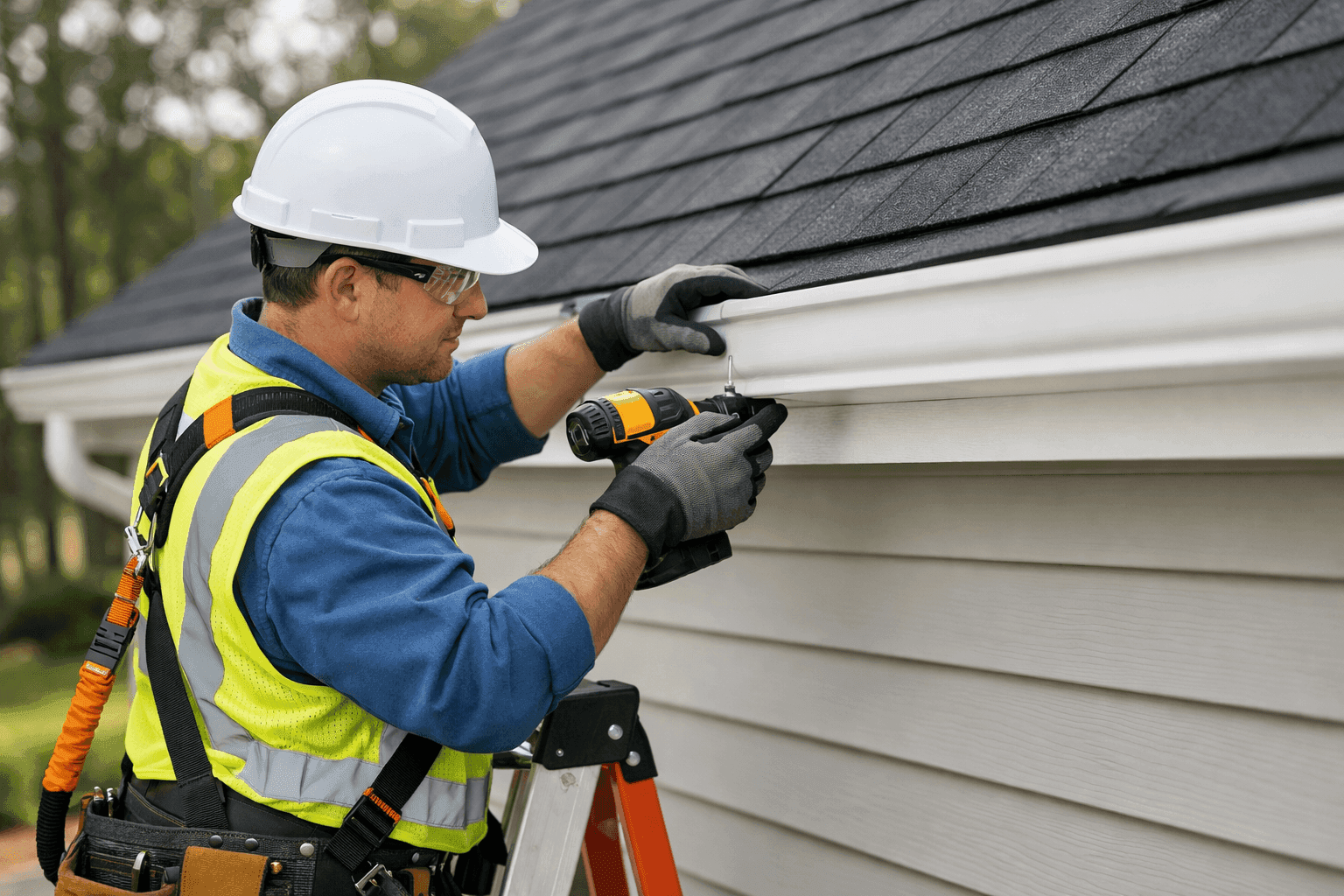
Is your siding fighting a losing battle against rain? Maybe you’ve noticed peeling paint, warped boards, or unsightly stains. Water’s sneaky—and when gutters fail, it’s your siding that takes the hit. At J.B. Siding, we see it every day: what starts as a drip soon becomes a headache.
Here’s the good news. With the right gutter system, your siding stands strong for years—no surprise repairs, no stress after every storm. Let’s break down why gutters and siding are a team, and how you can keep both in top shape.
Why Gutters Matter for Siding 🏡
Imagine your home or business as a raincoat. Siding is the outer shell, but gutters are the seams that keep water from soaking through. Without gutters, water runs straight down the walls, causing damage you might not see until it’s too late.
- Gutters channel water away from siding and foundation.
- They keep soil from splashing up and staining lower panels.
- Proper drainage helps prevent mold, mildew, and rot inside walls.
The National Association of Home Builders points out that effective water management isn’t just about comfort—it’s about extending the life of your building’s exterior. Good gutters protect your investment.
Common Water Damage Risks
Water may look harmless, but over time it’s relentless. Here’s what happens when gutter installation or maintenance gets skipped:
- Rotting Wood Siding: Constant moisture breaks down wood fibers, especially along trim and fascia.
- Peeling Paint: Water seeps behind panels, causing paint and finishes to bubble and flake.
- Foundation Cracks: Too much water near the base of your property can lead to settling or cracks in the foundation.
- Staining and Discoloration: Both residential and commercial siding lose curb appeal fast when streaked with dirty runoff.
- Insect Infestation: Damp areas attract termites and carpenter ants, who love nothing more than soft, wet wood.
If you spot warped boards, bubbling paint, or musty smells inside, it’s time for a siding inspection. Quick action can save you from major repairs down the line.
Choosing the Right Gutter System
Not every property is the same—and neither are gutter systems. The right choice depends on your siding type, roof size, and even the landscape around your building.
Look for these features when considering new gutters:
- Material: Aluminum is popular for its rust resistance, but copper and steel offer durability too. For eco-friendly siding options, consider recycled materials.
- Size Matters: Standard 5-inch K-style gutters suit most homes, but larger roofs or commercial properties may need 6-inch or custom solutions.
- Seamless vs. Sectional: Seamless gutters have fewer weak points, meaning less risk of leaks.
- Downspout Placement: Make sure downspouts direct water away from siding and foundation.
Thinking about new construction siding near you? This is the perfect time to coordinate siding and gutter installation for maximum protection.
Installation Best Practices
Installing gutters isn’t just about hanging metal along the roofline. It’s precise work—a little like setting up a domino pattern, where everything needs to line up just right.
Professional installers will:
- Slope gutters slightly (about 1/4 inch every 10 feet) to ensure proper flow.
- Secure gutters to fascia with hangers spaced 2-3 feet apart.
- Add splash blocks or gutter extensions at downspouts to protect siding and landscaping.
- Use flashing to seal gaps where siding meets the roofline and gutters.
Following International Residential Code (IRC) and manufacturer guidelines is a must. Safety, durability, and appearance all depend on these details.
Maintenance Tips for Lasting Protection 🧰
You wouldn’t let your car run for years without an oil change. Gutters and siding deserve the same attention.
- Clean gutters at least twice a year—spring and fall are best.
- Check for clogs, leaks, or sagging after heavy storms.
- Inspect siding for stains or soft spots under gutters.
- Trim back trees and bushes that can drop debris into your system.
- For vinyl or fiber cement siding, avoid using high-pressure washers near joints or caulked areas.
Regular checks mean small issues stay small. For more on siding upkeep, our siding-weatherproofing page has in-depth tips.
Signs Your Siding and Gutters Need Attention
Sometimes, the warnings are easy to ignore. But these signs should prompt you to act:
- Water pooling near the foundation
- Paint bubbling or peeling along siding edges
- Gutters pulling away from the roofline
- Green or black streaks (mold/mildew) on siding panels
- Insect activity or woodpecker holes
Don’t wait for a big storm to expose these weaknesses. Early intervention is always easier—and less expensive.
DIY vs. Calling a Pro
Handy with a ladder? Some homeowners clean gutters or patch minor leaks themselves. But when it comes to new installation, complex repairs, or working at height, safety comes first.
A pro brings:
- The right tools and safety gear
- Experience with tricky rooflines and multiple siding materials
- Code-compliant installation that stands up to storms
In many cases, combining gutter installation with siding repair is the most efficient (and cost-effective) approach. If you’re planning a siding upgrade, consider tackling both systems together for seamless results.
What Pros Do on Arrival
When you call a siding and gutter specialist, here’s what to expect:
- Assessment: A walk-around to inspect siding, soffit, fascia, and gutter conditions.
- Moisture Checks: Looking for hidden water damage or soft spots.
- Custom Recommendations: Matching gutter style and materials to your property’s needs.
- Clear Estimate: Upfront on time, materials, and disruption.
If you’re uncertain about your siding’s health, ask for a comprehensive inspection. This helps prioritize repairs and upgrades for the best protection.
Timeline & Disruption: What to Expect
Gutter installation usually takes a day for most homes. Larger commercial siding or custom work can take longer. Here’s what to plan for:
- Access to driveway and perimeter
- Noise from tools (but no heavy demolition)
- Occasional adjustments to landscaping
Many customers are surprised at how quickly a coordinated siding and gutter project wraps up. Less downtime, more peace of mind.
Seasonal Considerations
Spring and fall are prime seasons for gutter work. Why? Leaves, pollen, and winter thaw all wreak havoc on drainage. But don’t wait for a calendar reminder:
- After a major storm, check gutters for clogs or damage.
- Before winter, ensure everything’s sealed tight and draining well.
- In hot climates, UV rays can weaken siding caulk and gutter seams—inspect yearly.
If you’re in the Charleston area, check out our siding services in Charleston for tailored advice on local weather patterns and siding types.
Common Mistakes to Avoid ❌
Some errors seem small but can cost big:
- Using undersized gutters for a steep or large roof
- Skipping gutter guards where there are overhanging trees
- Ignoring minor leaks or loose hangers
- Letting siding repairs wait “until next year”
- Painting over water stains without fixing the cause
Avoid these pitfalls and your exterior will thank you.
When It’s an Emergency
Storm damage? Gutters hanging off the house? Water pouring inside? That’s the time to call for emergency siding or gutter services. Fast action helps minimize structural damage and keeps your property safe.
Our siding-repair team handles urgent issues, from wind-blown panels to gaping holes. No need to wait for a full renovation—spot repairs can hold the line until permanent fixes are in place.
Siding and Gutters: An Integrated System
Think of siding and gutters not as separate features, but as partners in protection. When one fails, the other quickly follows. By managing water flow above and along your walls, you’re not just preventing repairs—you’re investing in long-term value.
Whether you own a cozy home or a bustling commercial property, integrated water management is the unsung hero of exterior maintenance. Smart upgrades now pay off in fewer headaches for years to come.
FAQ: Your Top Gutter & Siding Questions Answered
Q: How often should I replace my gutters?
A: Most systems last 20–30 years with regular upkeep, but visible rust, leaks, or sagging mean it’s time sooner.
Q: Can I upgrade siding without changing gutters?
A: Sometimes, but if your gutters are aging or poorly placed, coordinating both projects saves time and protects your investment.
Q: What’s the best siding to pair with new gutters?
A: It depends on your climate, budget, and style. Vinyl, fiber cement, and wood all have advantages—ask about new construction siding near you for tailored options.
Q: How do I know if my siding has hidden water damage?
A: Soft spots, stains, or musty odors inside often point to exterior leaks. A professional inspection finds problems fast.
Final Thoughts: Protect Your Property for the Long Haul
Siding and gutters aren’t just “extras”—they’re your first line of defense. Taking a proactive approach now means fewer surprises after the next big rain. For every home or business, the payoff is real: more comfort, better value, and a property that stands strong against the elements.
Call J.B. Siding now — or reach us anytime at 855-598-5177 .