Fiber Cement Siding: Pros, Cons, and Installation Insights
When your building’s exterior is battered by weather, worn by time, or simply ready for a fresh look, the stakes feel high. Choosing the right siding can mean the difference between years of peace of mind—or costly headaches down the line. At J.B. Siding, we help property owners make informed decisions every day, from new construction siding projects to storm damage repair and everything in between.
Fiber cement siding is a standout option, but it comes with its own story—strengths, quirks, and care requirements. Let’s peel back the layers together so you can decide if it’s the right fit for your home or business.
What is Fiber Cement Siding? 🏡
Imagine a material tough as concrete but shaped like wood. Fiber cement siding is crafted from a blend of cement, sand, water, and cellulose fibers. This combination forms planks or panels that mimic traditional wood, stucco, or even masonry—without many of the drawbacks those materials carry.
You’ll find fiber cement on homes and commercial properties across the country. It’s the armor some buildings rely on to stand tall through wind, rain, and time.
Benefits of Fiber Cement
Why do so many architects and property owners turn to fiber cement? Here’s where it shines:
- Durability: It laughs in the face of rot, termites, and fire. Unlike wood, it won’t warp or crack from humidity swings.
- Fire resistance: Many brands, including James Hardie, rate their siding as non-combustible, meaning it won’t ignite under direct flame.
- Curb appeal: With finishes that look like real wood grain, stone, or smooth modern lines, fiber cement adapts to nearly any design vision.
- Color flexibility: Paint sticks well and lasts—no frequent touch-ups. Some manufacturers even offer baked-on colors.
- Low maintenance: No need for frequent scraping, sealing, or pest treatments.
- Weather performance: From Vermont winters to coastal storms, fiber cement holds up where lesser materials fail.
Drawbacks to Consider
No siding material is perfect. Here’s what you should weigh before settling on fiber cement:
- Initial cost: Upfront, it’s more expensive than vinyl or basic wood siding. The price reflects its strength and longevity.
- Weight: These panels are heavy. Installation requires a skilled crew and the right tools.
- Installation complexity: Mistakes in flashing, caulking, or fastening can lead to water damage behind the walls.
- Limited insulation: On its own, fiber cement isn’t as insulating as some alternatives. Consider pairing with quality insulation for maximum comfort.
- Cutting & dust: Cutting fiber cement produces silica dust, which must be managed for health and safety (see OSHA guidelines).
The Installation Process
Getting fiber cement siding installed right is a bit like orchestrating a symphony—every step matters. Here’s how it typically plays out:
1. Site Prep and Safety
First, the crew sets up for a safe, efficient job. This means:
- Clearing work areas of obstacles
- Setting up scaffolding or ladders securely
- Wearing masks and eye protection for dust control
2. Removing Old Siding (if needed)
If you’re replacing siding, existing panels come off. Care is taken to protect the underlying sheathing and check for hidden damage.
3. Installing Weather Barriers
A water-resistant barrier (like house wrap) goes up. This step is crucial for preventing leaks and mold. Edges are sealed, and flashing is installed around windows, doors, and corners.
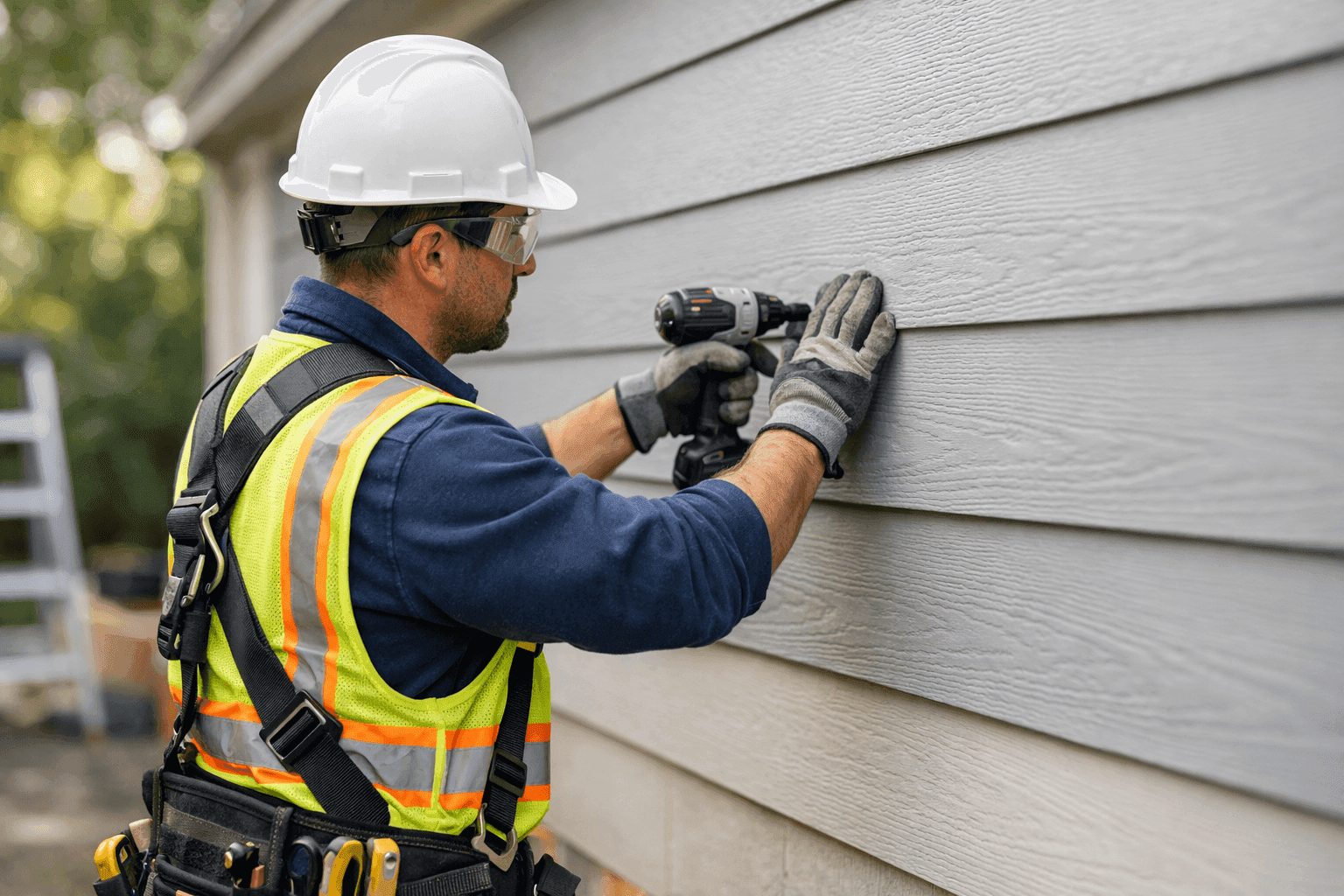
4. Cutting and Fitting Panels
Fiber cement boards are measured and cut to size using specialized tools with dust collection. Proper clearances from the ground and rooflines are maintained for drainage.
5. Fastening
Each board is fastened with corrosion-resistant nails or screws, set to manufacturer specs. Overdriving or underdriving fasteners can void warranties and invite trouble.
6. Caulking and Sealing
Joints, trim, and penetrations are caulked to keep out water and pests. This step requires a steady hand and quality products.
7. Painting (if not prefinished)
If you’ve chosen a paintable product, color is applied with durable, weather-resistant paint.
8. Final Inspection
The crew walks through the job, checking for gaps, cracks, and alignment. Only when it all checks out is the job truly complete.
Tip: Always work with a professional crew trained in fiber cement installation. Improper work can lead to costly repairs or voided manufacturer warranties.
How Does Fiber Cement Stack Up in Emergencies?
Storms hit. Branches fly. Water gets where it shouldn’t. Fiber cement’s resilience is its calling card—it won’t ignite in a fire, and it’s less likely to split or shatter from hail. But, like any armor, it should be checked after severe weather. Look for signs of impact or loose panels. If you notice these, don’t wait—timely siding replacement can prevent bigger headaches.
Signs of Trouble: When to Repair or Replace
- Cracked or broken panels: Even tough materials can be damaged by direct hits or improper installation.
- Soft spots around nails: This could indicate water intrusion behind the siding.
- Warped or loose boards: Fasteners may have failed, or moisture has found a way in.
- Faded or peeling paint: While rare, this can mean it’s time for a refresh—or that there’s an underlying moisture issue.
If you spot these signs, schedule a professional inspection. Catching problems early saves time and money.
Maintenance and Lifespan 🛠️
One of fiber cement’s biggest selling points? It doesn’t need much fuss. But there are a few easy habits to keep it looking sharp:
- Wash yearly: A garden hose and soft brush remove dust and mildew. Avoid pressure washing, which can force water behind the panels.
- Inspect caulking: Check joints and seams once a year. Re-caulk where gaps appear.
- Touch up paint: Expect to repaint every 10–15 years, depending on sun and weather exposure.
- Trim landscaping: Keep shrubs and trees away from the siding to prevent scratches or moisture traps.
Proper care means your siding can last 30–50 years or more. Manufacturer warranties often cover defects for 30 years, but only if maintenance guidelines are followed.
Warranty and Maintenance Essentials
Most fiber cement siding comes with a manufacturer’s warranty—some up to 30 years for product defects. It’s important to read the fine print: Installation by certified professionals, regular maintenance, and prompt repairs are usually required for coverage.
Keep a record of:
- Installation date and contractor details
- Maintenance (cleaning, caulking, painting)
- Any repairs or replacements
If you’re curious, schedule a siding material consultation to review your options and warranty requirements in detail.
Is Fiber Cement Siding Right for You?
Imagine your building a decade from now. Does it still look fresh? Is it still protected, inside and out? Fiber cement siding is a smart choice for those seeking lasting value, low fuss, and flexible design. It’s especially well-suited for homes and businesses facing wild weather or fire risks.
However, if you’re on a tight budget, need extra insulation, or prefer a lighter material for easier installation, there are other siding options to explore. The best way forward is a tailored conversation.
DIY vs. Professional Installation
Fiber cement siding isn’t a weekend warrior project. Its weight, health risks from dust, and technical installation details make it a job for trained crews. That’s why building codes (like those from the International Residential Code) and manufacturers both recommend pro installation.
If you’re searching for “New Construction Siding near you,” remember: A quality install means fewer surprises down the road.
Costs, Timeline, and Disruption
Plan for a higher upfront investment—materials and labor both cost more than basic vinyl or wood. Most residential jobs take one to two weeks, depending on size, weather, and prep work.
Expect some noise and dust during installation. Crews will need access to the entire exterior, so plan for parking and yard access.
Frequently Asked Questions
How long does fiber cement siding last?
With proper installation and care, 30–50 years is typical.
Will it boost my property value?
It’s a popular upgrade for curb appeal, durability, and low maintenance.
Is it eco-friendly?
Many brands use sustainable materials and processes. Ask about specific products if green building is your goal.
What colors and styles are available?
Dozens! From classic clapboards to modern panels, and nearly any color you imagine.
Seasonal Considerations and Climate
Fiber cement siding shines in harsh climates—heat, freeze-thaw, rain, and hail. In cold regions, like Burlington siding specialists recommend, it stands up to snow and ice better than many alternatives.
Common Mistakes to Avoid
- Skipping the weather barrier or flashing
- Underestimating the weight and tools needed
- Not sealing joints and trim
- Using the wrong fasteners
- Ignoring manufacturer installation instructions
These shortcuts can void warranties and lead to costly repairs.
Final Thoughts: Making the Right Siding Choice
Choosing siding is like picking a raincoat for your building. You want protection, style, and something that lasts. Fiber cement offers all three—if you’re ready for the investment and care it needs.
Let’s talk about your project, your goals, and your budget. We’ll help you weigh the options, from wood to vinyl to fiber cement, and recommend the right fit for your property.
Call J.B. Siding now — or reach us anytime at 855-598-5177 .