Energy-Efficient Siding: What Homeowners Need to Know
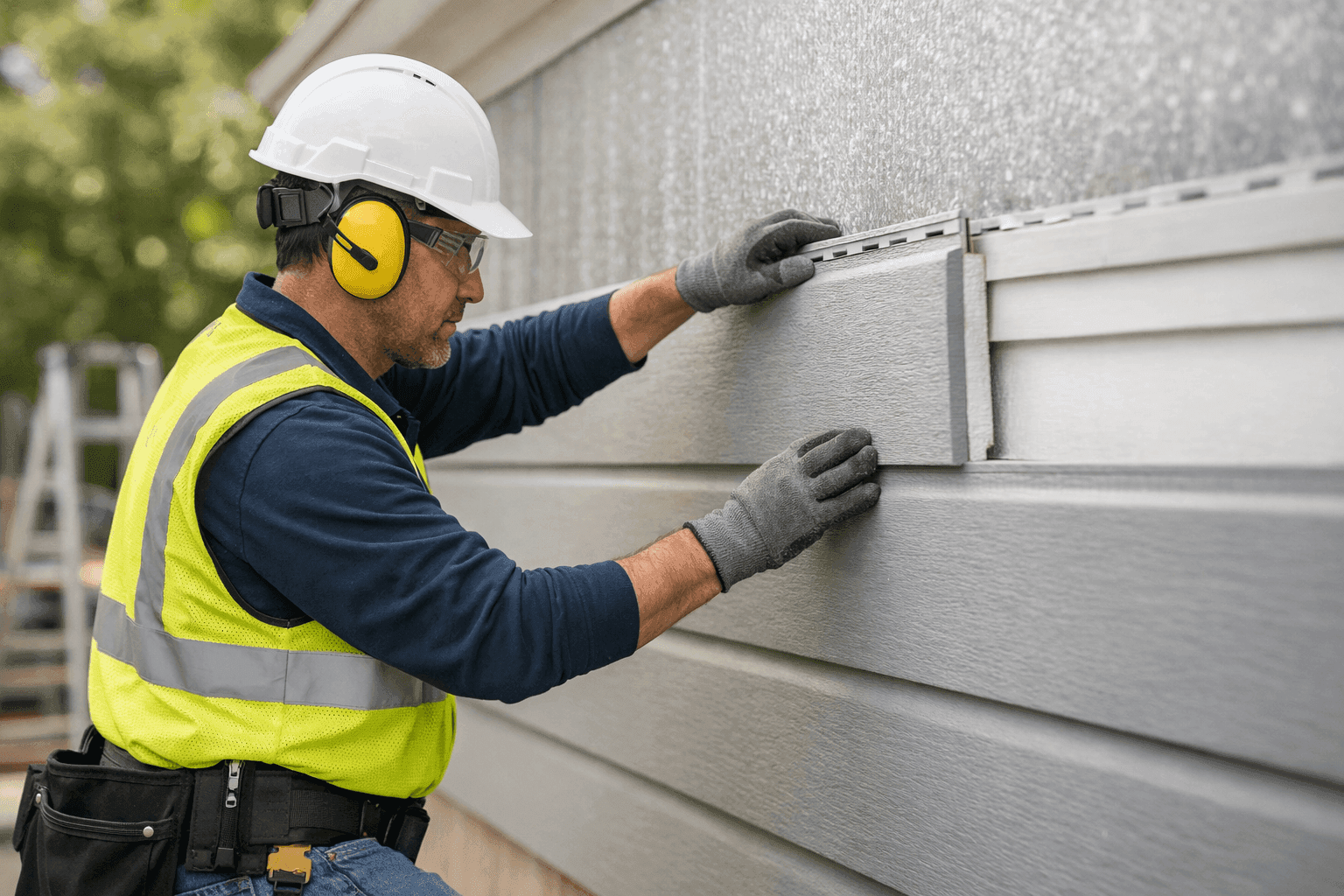
Every winter, you crank the heat. In summer, you blast the AC. Yet your house never feels quite right—and those energy bills keep climbing. You’re not alone. The culprit could be right outside your home’s walls: outdated siding that leaks heat and lets in drafts like an open window.
At J.B. Siding, we get it. You want a cozier, more efficient space without sky-high utility costs. There’s good news: upgrading to energy-efficient siding is one of the smartest investments you can make for comfort, savings, and peace of mind.
What Makes Siding Energy Efficient? 🏠
Not all siding is created equal. Some act like a warm coat—others, more like a thin windbreaker. The difference comes down to insulation, air sealing, and how well the materials block temperature swings.
Key traits of energy-efficient siding:
- R-Value: This measures how well a material resists heat flow. The higher, the better. Insulated siding can have an R-value up to 5 or more—standard vinyl is often under 1.
- Continuous Insulation: Some siding types wrap your home in a blanket of foam, eliminating “thermal bridges” (cold spots) that steal comfort.
- Weatherproofing: Quality siding, when paired with proper house wrap and flashing, blocks wind, rain, and air leaks.
- Durability: Energy-efficient siding stands up to sun, storms, and time—so you only have to upgrade once.
The U.S. Department of Energy notes that 25%–30% of home heating and cooling energy is wasted through poorly insulated walls and windows. Siding is your home’s first line of defense.
Siding Options: Insulated, Eco-Friendly, and More
Choosing the right siding is like picking the best shoes for a hike—what works for one home might not fit another. Here’s what you need to know about the most popular energy-efficient siding materials:
Insulated Vinyl Siding
- How it works: Standard vinyl with a rigid foam backing.
- Benefits: Improved R-value (up to 4), lower drafts, resists moisture.
- Best for: Homeowners seeking affordable efficiency and classic looks.
Fiber Cement Siding
- How it works: A blend of cement, sand, and cellulose fibers.
- Benefits: Fire-resistant, durable, can be combined with exterior foam board for increased insulation.
- Best for: Those wanting a wood-like finish with less maintenance.
Wood Siding
- How it works: Natural wood planks or shingles, often paired with new insulation.
- Benefits: Eco-friendly when sourced responsibly, excellent insulator, timeless appeal.
- Best for: Green-minded homeowners and classic designs.
Metal Siding
- How it works: Steel or aluminum panels, sometimes with insulated backing.
- Benefits: Reflects heat, highly durable, recyclable.
- Best for: Modern aesthetics and commercial buildings.
Stucco Siding
- How it works: Cement plaster applied over insulation board.
- Benefits: Excellent thermal mass, can be engineered for high R-values.
- Best for: Warm climates and homes with southwestern flair.
Interested in even greener options? Explore eco-friendly siding upgrades with J.B. Siding.
Quick Safety Checklist Before Replacing Siding
Don’t rush to pry off those old panels just yet. Consider this:
- Lead Paint: Homes built before 1978 may have lead-based paint. Follow EPA guidelines for safe removal.
- Electrical Hazards: Watch for wires or boxes attached to siding.
- Structural Damage: Address wood rot, pests, or mold first.
- Permit Requirements: Many towns require approval for major exterior work.
A safe job is a smart job—always.
Insulation and Siding: The Perfect Pair
Think of siding and insulation as a tag-team. Alone, each helps. Together? They transform your home’s comfort.
- Combine exterior foam board with new siding for maximum effect.
- Seal all gaps—windows, doors, trim—with high-quality caulk.
- Upgrade attic and wall insulation during siding replacement for a holistic energy makeover.
Want to learn more about professional insulation installation alongside siding upgrades? We can help.
Installation Tips: Getting It Right the First Time 🔨
Even the best siding fails if installed poorly. Here’s what sets pro jobs apart:
- Weather Barrier: Install house wrap or building paper behind siding to block wind and water.
- Flashing: Key for corners, windows, doors—keeps leaks out.
- Ventilation: Proper soffit and fascia vents prevent trapped moisture, which can rot walls.
- Starter Strips and Nails: These ensure panels lock tightly and resist storms.
It’s not just about slapping on new boards. Every layer matters.
Siding Weatherproofing: Your Shield Against the Elements
Weatherproofing is like an umbrella for your house. But if it leaks, you get soaked.
- Quality caulking and sealing at seams and penetrations are essential.
- Don’t forget gutters—they direct water away, protecting siding and foundation.
- Inspect flashing at least yearly, especially after storms.
Explore our siding weatherproofing solutions for long-term protection.
Measuring the Savings: Is Energy-Efficient Siding Worth It? 💡
Let’s talk numbers. Is the investment worth your while?
- Lower Utility Bills: The U.S. Department of Energy estimates that properly insulated siding can cut heating and cooling costs by 10–20%.
- Increased Comfort: No more chilly drafts or stuffy rooms.
- Boosted Home Value: Energy-efficient upgrades are attractive to buyers.
- Fewer Repairs: Durable materials mean fewer future fix-it calls.
Cost factors: Material choice, home size, and prep work all play a role. While energy-efficient siding may cost more upfront (often $2–$7 per square foot more than basic vinyl), most homeowners recoup the investment in 5–10 years through lower bills and maintenance.
Environmental Benefits: Good for You, Good for the Planet
Energy-efficient siding is about more than comfort—it’s a greener choice.
- Reduced Carbon Footprint: Using less energy means fewer emissions.
- Sustainable Materials: Options like fiber cement, metal, and responsibly sourced wood go easy on natural resources.
- Recyclability: Many modern siding products can be recycled at end of life.
According to ENERGY STAR®, upgrading siding is a key way to meet new energy codes and support healthier communities.
DIY or Call a Pro? When to Bring in the Experts
It’s tempting to grab a hammer and try it yourself. But siding installation is a complex, multi-step process. The margin for error is slim—and a mistake can lead to leaks, mold, or worse.
- DIY: Small repairs, cleaning, or caulking.
- Pro: Full siding replacement, structural repairs, insulation upgrades.
A certified installer not only gets the job done faster but ensures your warranty stays valid and your home meets local codes. Don’t gamble with your biggest investment.
Common Mistakes to Avoid
Avoid these pitfalls:
- Skipping insulation: It’s much harder to add later.
- Ignoring ventilation: Without airflow, moisture can wreak havoc.
- Using cheap materials: They wear out fast and may not meet code.
- Poor flashing: Water always finds a way in.
Fixing these after the fact is like patching a leaky boat—never as good as doing it right the first time.
Signs Your Siding Isn’t Performing
Watch out for:
- Drafts or cold spots indoors
- Rising utility bills
- Warped, cracked, or loose siding panels
- Mold or moisture stains inside or out
- Paint that peels quickly after each season
If you notice these, it’s time for a professional inspection.
Timeline & Disruption: What to Expect
Replacing siding is major surgery for your house. Most projects take 1–2 weeks, depending on weather, home size, and prep work needed.
- Noise: Expect hammering and saws.
- Access: Crews need space around your home—clear outdoor furniture and plants.
- Safety: Keep kids and pets away from work zones.
We work hard to minimize disruption and keep your property tidy.
Siding and New Construction: Building Efficiency from Day One
Building a new home? This is your chance to get it right. Ask your builder about “continuous insulation” and high-R materials. Pair quality siding with top-notch weatherproofing for a home that’s energy-smart from the ground up.
Searching for New Construction Siding near you? Our team proudly serves Biloxi siding projects and surrounding areas.
Prevention & Maintenance: Protect Your Investment
Once your new siding is up, take care of it:
- Clean annually to remove dirt, mold, and debris.
- Inspect for damage after storms.
- Check caulk and seals—touch up as needed.
- Clear gutters to prevent water damage.
A little attention goes a long way to keeping your home efficient and beautiful.
FAQ: Energy-Efficient Siding
Q: Which siding has the highest R-value?
A: Insulated vinyl and foam-backed fiber cement top the charts—some reach R-5 or higher.
Q: Can I add insulation without replacing siding?
A: Sometimes, but it’s most cost-effective when done together.
Q: Will new siding really lower my bills?
A: Yes—especially if your current siding is old or poorly insulated.
The Bottom Line
Energy-efficient siding is more than a facelift. It’s an upgrade that pays you back—month after month, year after year. From lower bills to cozier rooms and a smaller carbon footprint, the benefits are real.
Thinking about your next step? Call J.B. Siding now — or reach us anytime at 855-598-5177 .