Eco-Friendly Siding Options for Sustainable Homes
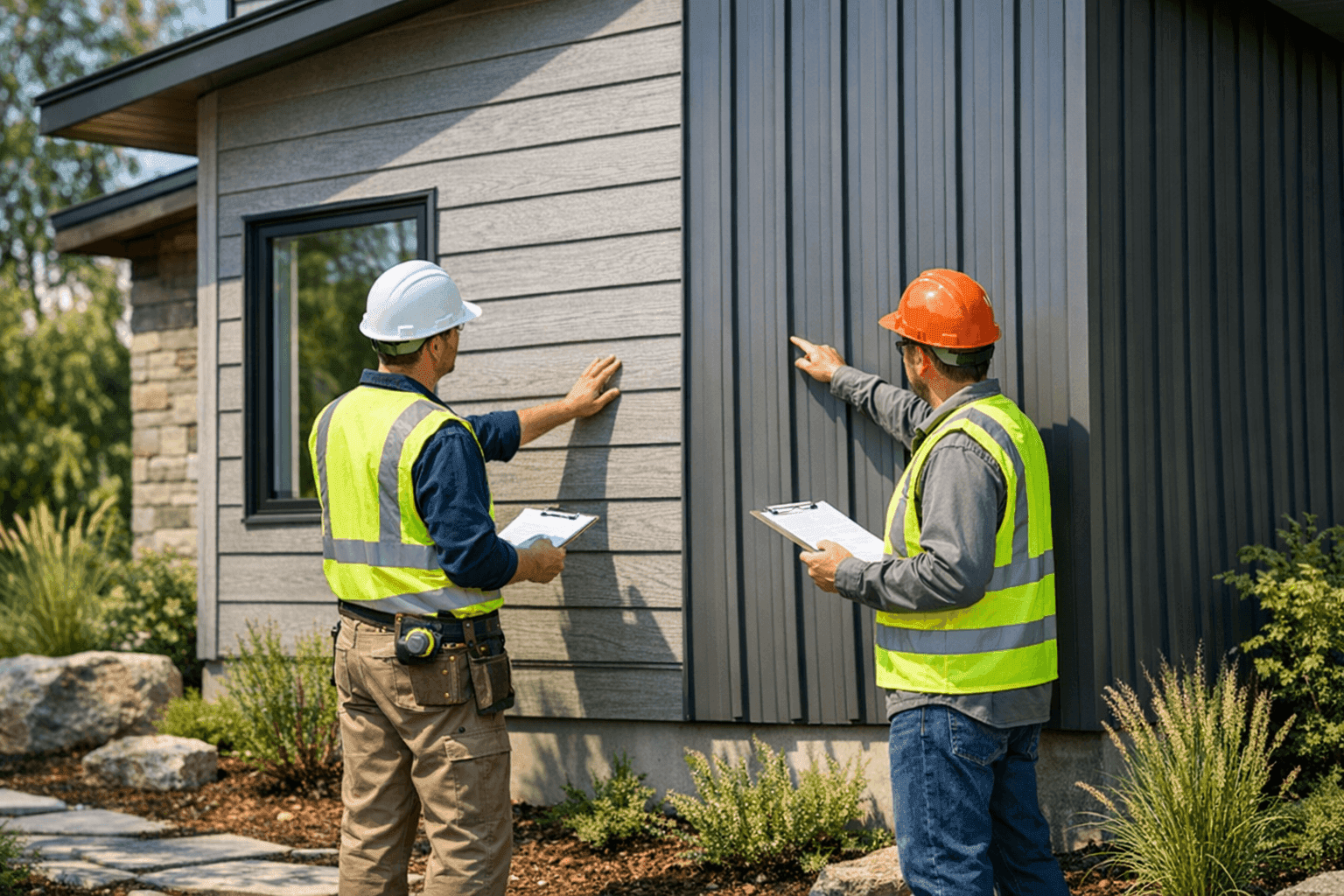
Sustainability isn’t just a buzzword. It’s a commitment to your home, your neighborhood, and the planet. At J.B. Siding, we understand that every siding choice can shape a greener future—and save you money along the way.
Thinking about new siding? Or maybe you’re ready to give your home or business a fresh look that’s also kind to the environment? Let’s walk through the real options, the real benefits, and what matters most when choosing eco-friendly siding.
What Makes Siding Eco-Friendly? 🌱
It’s more than just a label. Eco-friendly siding means materials and installation methods that minimize harm and maximize benefit—for you, your wallet, and the world.
Here are the big factors:
- Energy Efficiency: Keeps your home comfortable while lowering power bills.
- Recyclability: Won’t end up as landfill when it’s time for a change.
- Sustainable Sourcing: Made with responsibly harvested or recycled materials.
- Durability: Lasts longer—so you replace it less often.
- Healthy Living: Some siding releases fewer VOCs or toxins into your indoor air.
When these qualities come together, you get siding that’s as smart as it is sustainable.
Top Green Materials for Siding
Let’s dig into four materials leading the charge for eco-friendly siding. Each has its own personality—kind of like picking the right shoes for a long journey.
Fiber Cement Siding
Fiber cement is a workhorse. Made from sand, cement, and cellulose fibers, it stands up to the toughest weather. It resists rot, insects, and fire. Plus, it’s often certified by groups like GreenGuard for low emissions. When installed properly, fiber cement siding can last decades with minimal upkeep.
- Pros: Long-lasting, non-combustible, excellent for storm-prone areas.
- Cons: Heavier than other options, needs skilled installation.
Metal Siding
Aluminum and steel aren’t just for skyscrapers anymore. Metal siding brings a modern look and is highly recyclable—today’s panels can become tomorrow’s bikes or beams. It reflects sunlight, which means less heat absorption in summer.
- Pros: 100% recyclable, lightweight, resists pests and fire.
- Cons: Can dent, and needs insulation backing to prevent noise.
Reclaimed Wood Siding
Nothing matches the character of real wood—especially when it’s given a second life. Reclaimed wood siding saves trees, reduces landfill waste, and gives your building a story to tell. Look for FSC-certified sources for extra peace of mind.
- Pros: Rich appearance, each plank is unique, excellent for restoration projects.
- Cons: Requires regular treatment, may be pricier due to sourcing.
Insulated Vinyl Siding
Vinyl’s reputation is changing. Insulated vinyl siding has a foam backing that boosts energy efficiency and can qualify for ENERGY STAR® ratings. Many manufacturers now offer recycled content options.
- Pros: Affordable, energy-efficient, many color choices.
- Cons: Not as recyclable as metal or fiber cement, can fade over time.
Why Energy Efficiency in Siding Matters
Think of your home as a thermos. The better the insulation, the less energy you use to keep it hot or cold.
Energy-efficient siding acts as a windbreaker for your building. It blocks drafts, reduces heat transfer, and helps your HVAC system work less. That means lower bills all year—and a smaller carbon footprint.
- According to the U.S. Department of Energy, effective siding and insulation can cut heating and cooling costs by up to 20%.
- Look for high R-value ratings and ENERGY STAR® certifications.
- Pair new siding with insulation installation for maximum savings.
Certifications and Green Building Standards
Not all “green” claims are created equal. To separate the real deal from the hype:
- Check for certifications like FSC (Forest Stewardship Council) for wood.
- Look for GreenGuard or SCS Global Services labels on manufactured products.
- Review the building codes in your area—many now require minimum energy standards.
These standards aren’t just red tape—they’re your assurance that the materials are as sustainable as promised.
Siding and Recyclability: The End-of-Life Story
What happens when siding reaches the end of its road? Some materials become tomorrow’s resources, while others linger in landfills.
- Metal siding is nearly 100% recyclable. Even decades-old panels can be melted down and reused.
- Fiber cement can sometimes be downcycled for filler or road base.
- Vinyl siding is trickier but can be recycled in some regions—ask your installer about take-back programs.
- Reclaimed wood often gets a third or fourth life as accent walls, garden beds, or art.
Planning ahead means your siding’s story doesn’t have to end at the dump.
Seasonal Considerations: When to Go Green
Timing matters. Installing eco-friendly siding in spring or fall gives materials time to settle before the harshest weather hits. It also means your home will be ready for peak energy savings during the hottest and coldest months.
- Schedule major projects when outdoor temperatures are moderate. This helps adhesives set properly and minimizes expansion or contraction headaches.
- If storm season is coming, prioritize materials with high impact resistance, like fiber cement or metal.
DIY vs. Professional Installation
Eco-friendly siding isn’t a weekend craft project. These materials need careful handling, precise fitting, and code-compliant installation. An improperly hung panel can waste energy, invite leaks, or even void warranties.
- DIY Risks: Missed flashing, gaps, or poor caulking can undo the benefits of green materials.
- Pro Benefits: Professionals bring the right tools, training, and experience to ensure every detail is right.
If you’re not sure, schedule a siding material consultation to discuss your options with a pro.
Quick Safety Checklist for Green Siding
Before starting any project, safety comes first. Follow guidelines from OSHA and local building authorities.
- Wear gloves and masks when handling fiber cement (it contains silica dust).
- Ensure all ladders and scaffolding are secure.
- Check for lead paint or asbestos in older buildings before removing old siding.
- Store materials off the ground to prevent moisture damage.
A safe job site is a green job site.
Signs Your Home Is Ready for Eco-Friendly Siding
How do you know it’s time? Look for these clues:
- Your current siding is cracked, warped, or falling off.
- Energy bills keep climbing, even after upgrades.
- You notice drafts or moisture along walls.
- You want a new look—inside and out.
The right siding can solve all of these issues in one go.
Costs, Value, and Time Factors
Going green isn’t always the cheapest up front, but it pays off over time.
- Material costs: Reclaimed wood and fiber cement tend to cost more than vinyl, but last longer and add more value.
- Labor: Eco-friendly materials may need specialized skills.
- Timeline: Most siding projects take 1-2 weeks, depending on weather and building size.
Don’t forget to ask about maintenance—some green options require less cleaning and fewer repairs, saving you time year after year.
Siding Maintenance Tips for Sustainable Results
Once your new siding is up, a little TLC keeps it working hard:
- Inspect annually for damage or gaps.
- Clean gently with a soft brush or hose—avoid harsh chemicals.
- Reapply paint or sealant as recommended (especially for wood).
- Keep gutters clear to prevent water damage and rot.
These steps help your siding last—and stay eco-friendly.
Common Mistakes to Avoid
Even the greenest material can fall short if installed or maintained poorly. Watch out for:
- Skipping the vapor barrier or insulation layer.
- Not matching material to climate—wood needs more care in wet areas.
- Choosing uncertified or unproven suppliers.
- Ignoring local codes or permitting requirements.
A little planning now avoids big headaches later.
Choosing the Right Eco Option for Your Home or Business
The best green siding isn’t one-size-fits-all. It depends on your building’s architecture, local climate, and your personal style.
- For modern buildings: Metal or fiber cement offer sleek lines and durability.
- For classic homes: Reclaimed wood or insulated vinyl can blend tradition with innovation.
- For businesses: Look for low-maintenance, high-impact materials that keep energy bills predictable.
Need help narrowing it down? J.B. Siding is always happy to guide the way. If you’re searching for New Construction Siding near you or want to explore sustainable choices in Oklahoma, check out our siding services in Norman for more information.
FAQ: Eco-Friendly Siding
Q: Is eco-friendly siding more expensive?
A: It can cost more up front, but energy savings and longer life often even things out.
Q: How long does green siding last?
A: With proper installation and care, most eco-friendly options will last 30-50 years or more.
Q: Can I paint eco-friendly siding?
A: Yes—fiber cement, metal, and wood siding all take paint well. Just use low-VOC or water-based paints for best results.
Choosing sustainable siding is a powerful way to protect your home, lower your bills, and do your part for the planet. J.B. Siding is dedicated to helping you make a smart, beautiful, and eco-friendly choice—without the stress.
Call J.B. Siding now — or reach us anytime at 855-598-5177 .